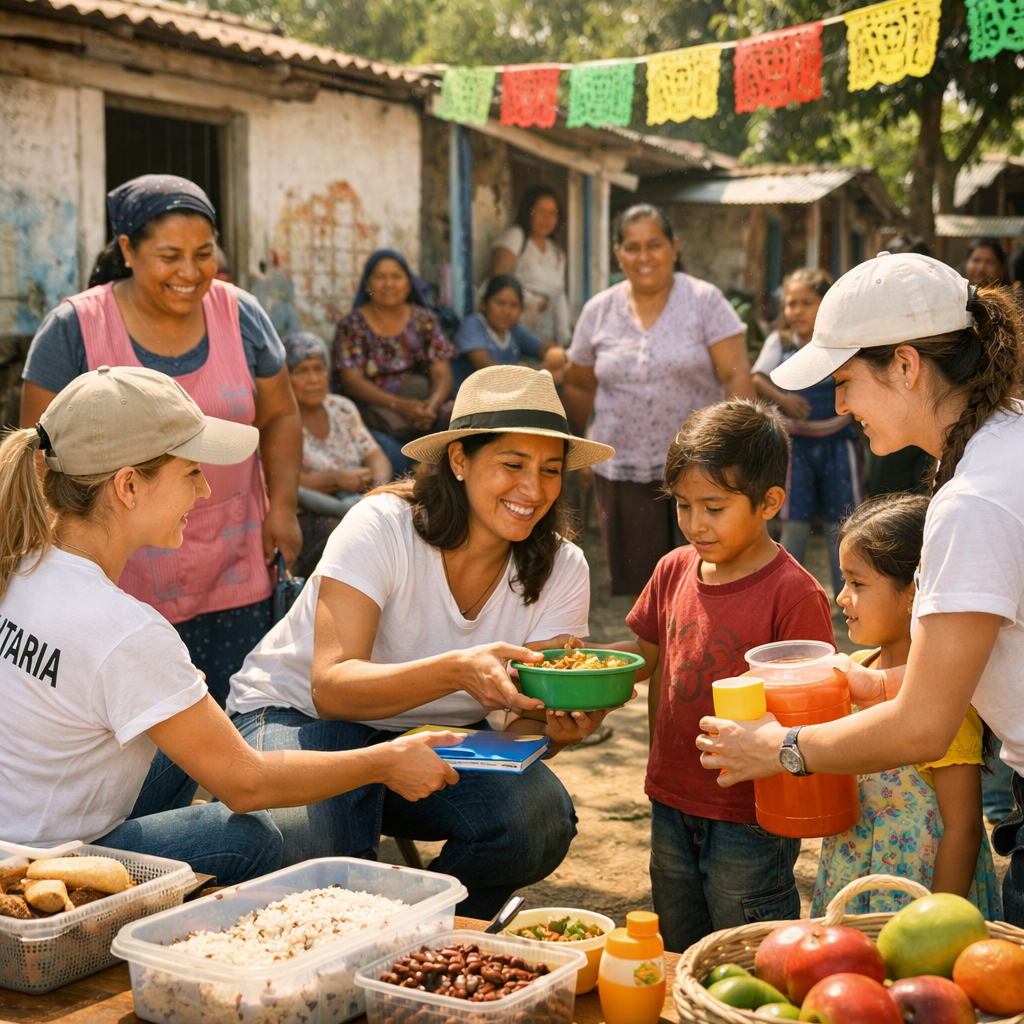
Travel can be more than a break from routine. For many women in midlife and beyond, travel becomes a way to live with purpose. Mexico offers a powerful mix of beauty, culture, and community. It is close to the United States, easy to reach, and full of projects that welcome caring, motivated volunteers.
This guide is a roadmap to Volunteer Opportunities for Women Traveling to Mexico, written for women ages 45 to 65 who want cultural immersion, sustainability, and real connection. It focuses on added value, clear steps, and practical tips, so planning feels simple and confident.
Why Mexico Works So Well for Volunteer Travel
Mexico is a strong choice for volunteer travel for several reasons.
1. Rich culture you can join, not just watch
Mexico is known for music, food, art, and community traditions. Volunteering brings you into daily life. It can mean sharing meals with local families, learning local customs, and understanding the stories behind what you see.
2. Diverse landscapes and many project types
Mexico has beaches, mountains, deserts, jungles, and historic cities. This creates many volunteer options, including:
- Environmental conservation on the coast
- Sustainable farming in rural areas
- English education in towns and cities
- Women’s empowerment and community programs
- Animal rescue and wildlife protection
3. Accessibility for U.S.-based women
Mexico is close to the U.S. with many direct flights. Time zones are similar. This helps reduce travel stress and jet lag, especially for shorter trips or first-time volunteer travelers.
4. A strong fit for values-based travel
If you care about sustainability, fairness, and respectful cultural exchange, Mexico offers many programs that match these values. The key is choosing ethical projects with community leadership and clear goals.
Before You Go: A Smart Planning Framework
A meaningful volunteer trip starts with good planning. This section keeps it simple and realistic.
Step 1: Choose your “why” and your energy level
Volunteer travel works best when the work matches your values and your body. Some projects are active and physical. Others focus on teaching, mentoring, administration, or community support.
Common travel styles for this age group include:
- One to two weeks of structured volunteering plus personal travel
- A month-long stay for deeper community work
- A “base city” plan with day trips to volunteer sites
Step 2: Pick a responsible program
Look for programs that show these signs:
- Local leadership and local decision-making
- Clear volunteer roles that do not replace paid local jobs
- Training and supervision
- Transparent costs and where the money goes
- Realistic impact, not emotional marketing
Helpful places to search include:
- Go Overseas
- Volunteer World
- Idealist
- WWOOF (for organic farms)
- Local Mexican NGOs with strong community ties
Step 3: Build a realistic budget
Volunteer programs can be low-cost or fee-based. Fees often cover housing, meals, transport, training, and staff support. Plan for:
- Program fee or donation
- Flights
- Travel insurance
- Local transportation
- Phone plan or eSIM
- Emergency funds
Step 4: Create a safety plan that feels empowering
A good safety plan supports freedom, not fear. Simple steps reduce risk and increase confidence.
Safety Tips for Women Traveling Solo or Semi-Solo in Mexico
Mexico is a big country. Safety varies by region and neighborhood. A few clear habits make a major difference.
Practical safety habits
- Share your itinerary with one trusted person at home.
- Use official taxis, rideshare apps where available, or transport arranged by your program.
- Avoid showing expensive jewelry or large amounts of cash.
- Keep copies of passport and key documents in a separate place.
- Stay alert in crowded places like markets and bus stations.
- Choose housing with strong reviews and good lighting at entry points.
Smart movement choices
- Prefer daytime travel between cities.
- Use well-known bus companies for longer routes.
- Sit near the driver or in well-populated areas on public transport.
- Keep your phone charged and carry a small power bank.
Personal boundaries
Confidence and calm boundaries matter. Practice short, polite phrases in Spanish. Keep a firm “no” available when needed. Safety improves when choices stay simple and clear.
Cultural Norms and Etiquette That Build Respect Fast
Small cultural habits can create smoother relationships and deeper connection.
Greetings and communication
- Handshakes are common in professional settings.
- Friendly social greetings can include a light cheek kiss in some regions, often between women.
- “Señora” is respectful for adult women, especially older women.
- People may stand closer during conversation than in the U.S.
Daily rhythm
- Lunch can be the largest meal of the day.
- Some communities move at a slower pace. Patience is read as respect.
Respectful behavior that helps everywhere
- Ask before taking photos of people, especially children and vendors.
- Dress modestly when visiting small towns, churches, and community meetings.
- Learn basic Spanish for gratitude and daily needs.
These habits support cultural exchange that feels mutual and human.
Health Precautions, Insurance, and Vaccination Basics
Health planning reduces stress and protects your trip.
Healthcare planning essentials
- Buy travel insurance that includes medical care and emergency transport.
- Bring enough prescription medication for the full trip plus a few extra days.
- Keep medications in original containers.
- Carry a simple medical summary, including allergies and emergency contacts.
Common vaccines and prevention
A travel clinic can advise you based on region and season. Many travelers consider:
- Routine vaccines
- Hepatitis A
- Typhoid in some areas and travel styles
Food and water habits help a lot:
- Use bottled or filtered water in areas where tap water is not recommended.
- Wash hands often and carry sanitizer.
- Start with cooked foods if your stomach is sensitive.
The Best Volunteer Opportunities for Women Traveling to Mexico
Below are strong, common volunteer paths that fit many women ages 45 to 65. Each section includes what the work looks like, who it fits, and how to do it responsibly.
1. Sustainable Agriculture and Organic Farming
Best for: nature lovers, hands-on learners, women who enjoy simple living Typical tasks: planting, composting, soil care, harvesting, irrigation support, seed saving, food preparation
Sustainable agriculture projects often welcome mature volunteers because reliability matters more than speed. These experiences can include learning traditional farming methods and water-saving practices.
Responsible ways to join
- Use WWOOF Mexico for organic farm placements.
- Look for local permaculture farms and community gardens with training and clear expectations.
Why it matters Sustainable farming supports food security, local income, healthier soil, and reduced chemical use. It also supports climate resilience in rural communities.
2. Teaching English and Conversation Practice
Best for: patient communicators, retired professionals, women who enjoy mentoring Typical tasks: conversation circles, pronunciation practice, reading support, basic writing activities, lesson planning support
English can support work opportunities in tourism, business, and education. The most ethical roles focus on language practice and support, not replacing trained teachers.
Responsible ways to join
- Choose programs that provide training, curriculum guidance, and local teacher partnership.
- Offer conversation clubs or small group practice rather than taking full control of a classroom.
- Consider short-term roles in community centers, libraries, or youth programs.
Added value for you Teaching creates fast community connection. It also builds routine, which helps solo travelers feel grounded.
3. Animal Rescue, Shelters, and Wildlife Support
Best for: animal lovers, caring and consistent helpers, women comfortable with daily chores Typical tasks: feeding, cleaning, enrichment activities, basic facility support, community education support
Mexico has animal rescue needs in many areas. Coastal and rural regions may also have wildlife-related projects.
Important ethical note Avoid programs that allow unsafe contact with wild animals or offer “selfie experiences.” Choose organizations focused on rehabilitation, animal welfare, and community education.
Responsible ways to join
- Look for registered local rescue centers with clear animal welfare rules.
- Support spay and neuter campaigns where available.
- Offer behind-the-scenes help rather than direct wildlife handling.
4. Community Development and Construction Support
Best for: practical team players, women who like active projects, organizers and planners Typical tasks: painting, light repairs, garden building, sorting supplies, supporting local crews, community center improvement
Many community projects welcome volunteers, but the best ones are community-led and skill-matched. Not everyone needs to lift heavy materials to contribute. Mature volunteers often shine in organization, logistics, scheduling, and teamwork.
Responsible ways to join
- Choose projects that hire local skilled labor and use volunteers for supportive tasks.
- Ask for safety protocols, training, and protective equipment.
Why it matters Well-managed infrastructure projects can support education, health access, clean water, and safe community spaces.
5. Healthcare and Public Health Support
Best for: licensed healthcare workers, public health professionals, strong support volunteers Typical tasks for licensed volunteers: supervised clinical care within legal scope, training support, systems improvement Typical tasks for non-clinical volunteers: health education support, logistics, intake support, translation support when qualified
Healthcare volunteering must be done ethically. Good programs protect patients and never use unqualified volunteers as medical staff.
Responsible ways to join
- Only provide clinical care if licensed and approved to do so.
- Prefer public health roles that focus on education, prevention, and systems support.
- Choose programs with strong supervision and community partnership.
Why it matters Public health support can strengthen prevention, maternal health, vaccination outreach, and health education in underserved areas.
6. Cultural Exchange and Homestay-Based Programs
Best for: women who value relationships, language learning, daily life immersion Typical activities: language exchange, cooking and craft learning, community events, volunteer shifts with local groups
Cultural exchange programs are powerful because they slow travel down. They reduce the tourist bubble and support real human connection. Homestays can also improve safety and comfort, especially for solo travelers.
Responsible ways to join
- Use reputable homestay programs with clear host screening.
- Choose experiences that include cultural orientation and respectful guidelines.
Added value This style supports deeper learning and reduces loneliness. It can feel like belonging, not just visiting.
7. Environmental Conservation Projects
Best for: ocean lovers, hikers, nature-focused travelers, sustainability-minded women Typical tasks: beach clean-ups, trail maintenance, reforestation, recycling education support, habitat monitoring support
Mexico’s ecosystems are diverse and vulnerable. Coastal plastic pollution, habitat loss, and climate impacts affect communities and wildlife.
Responsible ways to join
- Join projects with local leadership and long-term plans.
- Combine hands-on work with environmental education and community partnership.
Why it matters Conservation protects biodiversity, supports sustainable tourism, and improves community health.
8. Women’s Empowerment and Gender Equity Initiatives
Best for: women who care about social justice, mentoring, education, economic empowerment Typical tasks: workshop support, business mentoring, skill-sharing classes, safe space support, administrative help
Women-led projects can be especially meaningful for women travelers. They often focus on financial skills, education support, job readiness, and safety.
Responsible ways to join
- Support local women-led NGOs, cooperatives, and shelters with defined needs.
- Accept training and follow local safeguarding rules.
- Offer skills that match your background, such as budgeting, resume support, or small business mentoring.
Why it matters Gender equity work supports stronger families, safer communities, and better economic outcomes.
9. Support for Migrant, Indigenous, and Underserved Communities
Best for: patient listeners, experienced helpers, women comfortable with complex realities Typical tasks: community center support, food distribution logistics, tutoring support, resource coordination
This work can be emotionally intense. It requires humility, consistency, and respect for local leadership.
Responsible ways to join
- Choose programs with trauma-informed training and clear volunteer boundaries.
- Focus on support roles that strengthen local teams.
10. Skill-Based Volunteering and Remote Support for Mexican NGOs
Best for: professionals, retirees, consultants, educators, writers, tech and operations support Typical tasks: grant writing support, marketing and communications, translation, website help, process improvement, volunteer coordination
Not all impact requires on-the-ground labor. Skill-based support can be powerful, especially when it strengthens local organizations long term.
Responsible ways to join
- Offer skills based on what the organization requests.
- Set clear timelines and deliverables.
- Stay flexible and respectful of local context.
How to Choose the Right Project Without Overwhelm
Use a simple matching method. Focus on three points.
1. Values match
Choose a project that supports sustainability, fairness, and community leadership.
2. Body match
Pick work that fits your energy, mobility, and comfort level.
3. Time match
Short trips work well for support roles, conservation days, and conversation practice. Longer stays work better for teaching support, community development, and deeper cultural exchange.
Packing With a Sustainability Mindset
Packing can reflect your values without becoming complicated.
Useful items for volunteer travel in Mexico
- Reusable water bottle with a filter if needed
- Lightweight work gloves for gardening or clean-ups
- Closed-toe shoes for project sites
- Sun protection: hat, sunscreen, light long sleeves
- A small first-aid kit
- Copies of key documents stored securely
- A simple day bag that closes fully
Small choices with real impact
- Choose reef-safe sunscreen near beaches.
- Use solid toiletries or refillable containers.
- Carry a reusable tote for markets.
These habits reduce waste and support local environments.
Simple Reflection Practices That Make the Trip Transformative
Meaningful travel often becomes transformative when reflection is included. Keep it light and consistent.
A five-minute daily journal structure
Write a few lines for each item:
- One meaningful moment from the day
- One thing learned about the culture
- One way you contributed, even small
- One feeling that surprised you
- One intention for tomorrow
Grounding breath cue for stressful moments
Use a calm pattern:
- Inhale slowly for four counts
- Hold for two counts
- Exhale for six counts
- Repeat four times
This supports calm thinking during travel delays, new environments, or emotional volunteer moments.
Common Mistakes to Avoid in Volunteer Travel
Avoiding a few common traps improves your impact and your experience.
1. Choosing a program based on emotion alone
Strong marketing does not equal strong ethics. Choose programs with transparency and local leadership.
2. Doing work that should be done by paid local professionals
This can harm local jobs. Support projects that use volunteers in appropriate roles.
3. Overpacking the schedule
Leave space for rest, culture, and processing. Burnout reduces joy and effectiveness.
4. Trying to “save” a community
Respect and partnership matter. Listen more than you speak early on. Focus on support and learning.
A Sample Two-Week Volunteer Trip Plan That Balances Impact and Joy
This example shows a healthy rhythm for women who want structure and breathing room.
- Days 1–2: Arrival, rest, orientation, neighborhood walk, light language practice
- Days 3–7: Volunteer mornings, cultural activities or rest afternoons, local meals
- Day 8: Full rest day, journaling, nature visit, laundry and reset
- Days 9–12: Volunteer shifts plus a community event or workshop
- Day 13: Local market visit, reflection, thank-you notes, small ethical shopping
- Day 14: Departure with time buffer
This pattern supports both contribution and enjoyment.
Closing: A Purposeful Way to Experience Mexico
Mexico offers far more than a typical vacation. For women in midlife and beyond, it offers a chance to travel with depth, connection, and purpose. The best volunteer trips create benefits on both sides. Communities receive steady support, and you receive real cultural learning, new friendships, and the quiet pride that comes from showing up with care.
With the right planning, Volunteer Opportunities for Women Traveling to Mexico can become a meaningful chapter in your life. Choose ethical programs, travel with respect, protect your health and safety, and keep your heart open to learning. Over time, the memories become more than photos. They become proof of the person you decided to be, even while far from home.