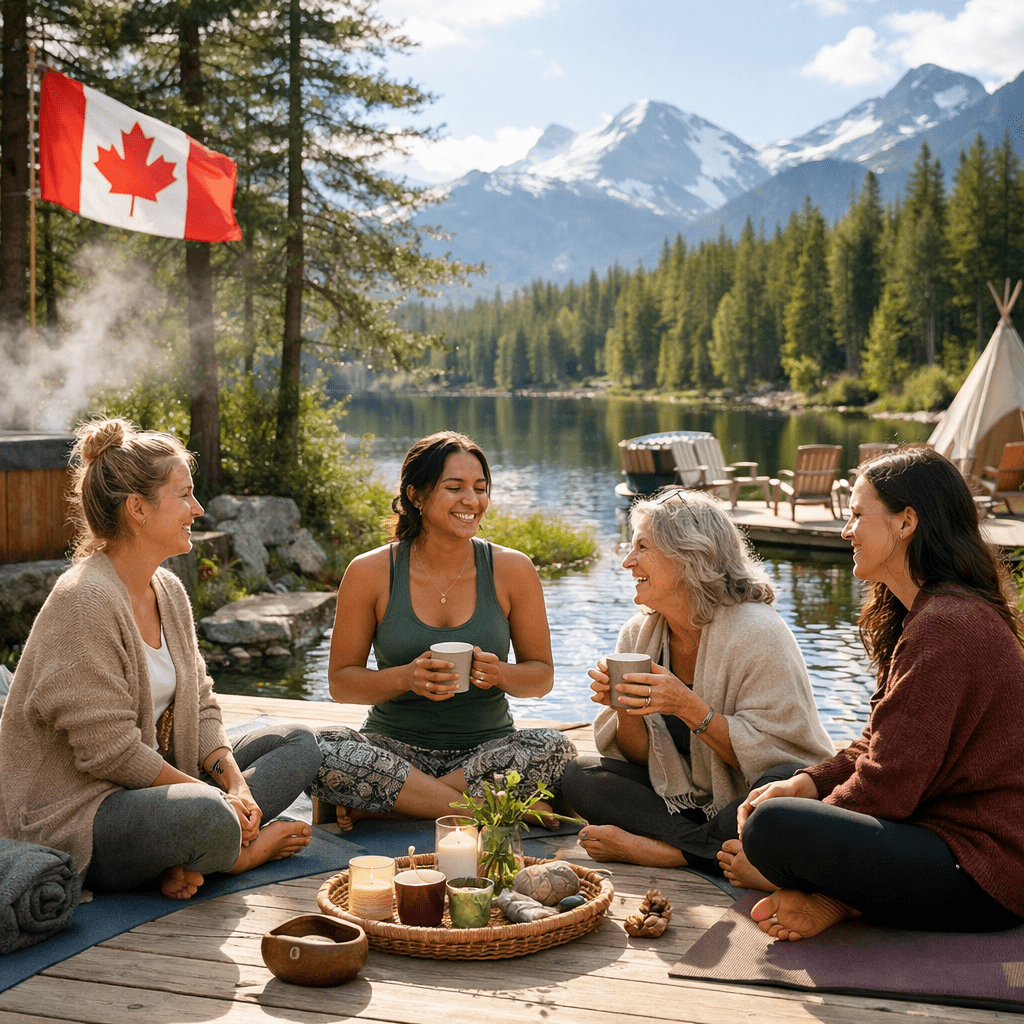
Life can feel full, fast, and noisy. Work, family, health changes, and constant responsibilities can take up most of the day. In the middle of it all, self-care often becomes the last item on the list. That is why Wellness Retreats for Women have become so important, especially for women aged 45 to 65. A good retreat is not only a “nice break.” It is time with a clear purpose: rest, recovery, gentle movement, healthy food, nature, and space to think.
Canada is a wonderful place for this kind of travel. It offers mountains, lakes, forests, coastlines, small towns, and big city comforts. You can find retreats that feel quiet and simple, or retreats that feel luxurious and guided. You can choose a weekend reset or a full week of change.
This guide shares 10 retreat ideas in Canada, plus practical tips to help you choose the right one, feel safe, and keep the benefits after you return home.
Why Wellness Retreats for Women Matter
Women in the 45–65 age group often carry a unique set of stressors:
- Career demands and leadership roles, or big changes around retirement
- Caring for aging parents, supporting adult children, or both
- Menopause and hormone shifts that can affect sleep, mood, energy, and weight
- Feeling “busy but not fulfilled,” with less time for personal goals
- A need for friendship and community, especially after life transitions
Wellness Retreats for Women can support this stage of life in a realistic way. Many retreats are built around simple, proven tools that help the nervous system calm down and the body recover.
Common benefits of a well-designed retreat
- Better sleep after a few days of consistent rest and fresh air
- Less mental overload, especially during digital detox time
- Improved mood through movement, nature, and social connection
- A healthier relationship with food through balanced meals and mindful eating
- More clarity through coaching, journaling, and gentle reflection
- Renewed motivation to take care of yourself at home
A retreat does not “fix everything.” It helps you return to yourself. That can be a powerful starting point.
How to Choose the Right Retreat for You
Not every retreat fits every person. A “perfect” retreat is one that matches your needs right now.
1) Choose a location that supports your goal
- Mountains and forests: Great for quiet, grounding, and hiking
- Lakes and oceans: Good for calm, gentle walking, and deep rest
- Small towns: Often cozy, slower, and friendly
- Cities: Better for short retreats, spa care, and easy travel logistics
2) Pick a retreat style
- Yoga and meditation: For calm, flexibility, and steady routines
- Spa and relaxation: For rest, body care, and stress relief
- Nature immersion: For nervous system reset and better sleep
- Creative retreats: For joy, expression, and new inspiration
- Adventure wellness: For energy, confidence, and fun movement
- Detox or Ayurveda: For a structured reset with professional support
- Empowerment retreats: For confidence, direction, and community
3) Check what is included
Before booking, look for clear information about:
- Daily schedule and activity level
- Meal plan and dietary options
- Private room options or shared spaces
- Group size and support staff
- Cancellation policy and insurance suggestions
- Accessibility needs, if relevant
4) Match the intensity to your energy
Some retreats start at 6:00 a.m. and run all day. Others leave free time for naps, reading, or quiet walks. Both can be great, but they feel very different.
Top 10 Wellness Retreats for Women in Canada: Ideas by Region
These are retreat ideas you can use to find real programs that match your dates, budget, and preferred style. Each idea includes a suggested location, a retreat focus, and the type of experience you can expect.
1) Yoga and Meditation Retreat in Whistler, British Columbia
Best for: Women who want movement, calm, and mountain air Setting: Alpine views, forests, fresh cool mornings
Typical retreat elements
- Daily yoga classes with modifications
- Guided meditation and breathwork sessions
- Nature walks and mindful outdoor time
- Simple, nourishing meals
- Optional workshops on stress relief or mindfulness habits
Accommodation style Eco-friendly cabins or lodges with mountain views, often warm and cozy.
2) Spa and Wellness Retreat in Niagara-on-the-Lake, Ontario
Best for: Deep relaxation, comfort, and gentle luxury Setting: Vineyards, charming streets, lakeside calm
Typical retreat elements
- Spa treatments like massage, facials, hydrotherapy
- Mindfulness workshops and light movement
- Slow mornings with healthy breakfasts
- Optional wine tasting experiences, often local and refined
Accommodation style Boutique hotels or spa resorts overlooking vineyards or gardens.
3) Mindfulness and Nature Retreat in Mont-Tremblant, Quebec
Best for: Quiet minds, better sleep, nature connection Setting: National park energy, forest trails, crisp air
Typical retreat elements
- Forest bathing sessions and mindful walking
- Silent hikes for deep reset
- Breathwork and grounding exercises
- Guided reflection and gentle group sharing
Accommodation style Rustic chalets or lodge-style stays close to trails and lakes.
4) Wellness and Creativity Retreat on Cape Breton Island, Nova Scotia
Best for: Women who want calm plus creative joy Setting: Ocean air, coastal roads, wide skies
Typical retreat elements
- Painting, writing, or craft workshops
- Gentle yoga or stretching
- Coastal walks and nature time
- Evenings with tea, journaling, and quiet connection
Accommodation style Seaside cottages with panoramic ocean views.
5) Adventure and Wellness Retreat in Banff National Park, Alberta
Best for: Energy, confidence, movement, and big nature Setting: Rockies, turquoise lakes, wildlife, hot springs
Typical retreat elements
- Guided hikes with different difficulty levels
- Canoeing or lake activities in season
- Wildlife spotting with safe guidance
- Hot springs soak for recovery
- Stretching sessions to support sore muscles
Accommodation style A lodge nestled in the mountains, often with fireplaces and warm common areas.
6) Ayurveda and Detox Retreat near Winnipeg, Manitoba
Best for: Women who want a structured reset and support Setting: Quiet wellness centers, often with nature nearby
Typical retreat elements
- Ayurvedic consultations and personalized guidance
- Detox-friendly meals, often warm and simple
- Gentle yoga, restorative practices, early nights
- Education on digestion, stress, and daily routines
Accommodation style Wellness center rooms focused on holistic healing and calm routines.
7) Women’s Empowerment Retreat in Saskatoon, Saskatchewan
Best for: Confidence, life transitions, leadership, community Setting: Prairie city calm with strong local culture
Typical retreat elements
- Leadership and life-design workshops
- Self-care practices that feel practical and supportive
- Community building in a safe group space
- Optional sessions on boundaries, values, and purpose
Accommodation style Urban retreat centers or small hotels with workshop spaces and quiet corners.
8) Cultural Immersion Wellness Retreat in Whitehorse, Yukon
Best for: Meaning, fresh perspective, deep nature experience Setting: Big skies, clear air, Northern landscapes
Typical retreat elements
- Indigenous cultural experiences led by local guides
- Storytelling, traditional crafts, local history
- Nature time with mindfulness practices
- Evening quiet, often with stargazing
Accommodation style Cozy cabins, sometimes with views of the Northern Lights in the right season.
9) Eco-Wellness Retreat in Fundy National Park, New Brunswick
Best for: Sustainable travel, nature therapy, simple living Setting: Forests, ocean tides, clean air
Typical retreat elements
- Forest therapy and guided nature walks
- Sustainable living workshops
- Organic gardening or local food education
- Slow schedules with time to rest
Accommodation style Off-grid eco-lodges or low-impact cabins in the wilderness.
10) Wellness and Adventure Retreat in Gros Morne National Park, Newfoundland and Labrador
Best for: Ocean energy, awe, outdoors, fresh beginnings Setting: Fjords, coastal trails, dramatic landscapes
Typical retreat elements
- Kayaking or fjord cruises in season
- Coastal hikes with stunning views
- Stargazing and quiet evenings
- Gentle mobility sessions for recovery
Accommodation style Secluded eco-resorts overlooking the Atlantic Ocean, often peaceful and scenic.
A Simple Retreat Packing List for Comfort and Calm
Packing well makes the whole experience easier. Keep it simple and focus on comfort.
Clothing
- Layers for changing weather
- Comfortable walking shoes or hiking boots
- Yoga or stretch clothing
- Warm sweater and socks
- Light rain jacket
Wellness essentials
- Reusable water bottle
- Sunscreen and lip balm
- Small daypack
- Basic first aid items and personal medication
- Earplugs and an eye mask for deeper sleep
Mindset and reflection
- Journal and pen
- A book that feels calming
- A simple intention written on paper
- A gentle playlist downloaded for offline time
Tips for a Safe, Supportive Retreat Experience
A retreat should feel healing, not stressful. A few simple choices help you protect your time and your energy.
Research quality and fit
- Read recent reviews from past guests
- Look for clear descriptions of the daily schedule
- Confirm staff training for yoga, therapy, or health guidance
- Check food policies if you have allergies or health needs
Share your travel plan
- Send your itinerary and contact details to a trusted friend or family member
- Keep key phone numbers written down as a backup
Listen to your body
- Choose modifications in yoga or hiking
- Skip activities that feel too intense
- Rest is part of wellness, not a failure
Set gentle boundaries
- Limit social pressure to “do everything”
- Protect quiet time, especially in the first two days
- Keep alcohol low or optional if your goal is deep recovery
Sustainability and Social Responsibility in Wellness Retreats
Wellness also includes the world around you. The best Wellness Retreats for Women often care for nature and local communities.
Why it matters
Wellness tourism can create waste, strain local resources, and push up costs in small communities. Retreats that plan responsibly can bring positive impact instead.
What to look for in eco-friendly retreats
- Refillable water stations and reduced plastic use
- Local food sourcing and seasonal menus
- Energy-saving systems and low-impact building design
- Respectful relationships with Indigenous communities
- Fair wages and local hiring
Simple actions that help
- Bring a reusable bottle and travel mug
- Pack a small tote bag for shopping
- Support local guides, artists, and small businesses
- Follow “leave no trace” habits on trails
Sustainable choices often make the retreat feel more meaningful and grounded.
Bringing Retreat Benefits Home: A Practical Plan
A retreat feels great because the days are designed for wellness. The goal is to bring a small part of that structure back into normal life.
A realistic daily routine that fits busy schedules
Morning, 5 to 10 minutes
- Drink water
- Two minutes of slow breathing
- Gentle stretching for neck, shoulders, hips
Midday, 3 minutes
- Short walk outside or by a window
- One calming breath cycle: inhale 4, exhale 6
Evening, 10 minutes
- Light stretch or legs-up-the-wall
- Write three lines in a journal
- Screens off 30 minutes before sleep when possible
Journaling prompts that work well after a retreat
Use these as simple sentence starters, not homework.
- “Today I protected my energy by…”
- “I felt calm when…”
- “One boundary that supports me is…”
- “My body felt better after…”
- “This week I want to focus on…”
Creating a peaceful home environment
- Clear one small area, like a bedside table or kitchen counter
- Add soft lighting in the evening
- Keep a “calm basket” with tea, a book, a lotion, and a journal
- Play nature sounds or quiet music during cooking or reading
- Choose one room as a low-clutter space for rest
Small changes done consistently often work better than big plans.
Real-Life Style Stories: How Retreats Can Feel
Every retreat experience is different. These short stories reflect common outcomes shared by many women who attend Wellness Retreats for Women in Canada.
Sandra, 52, Ontario
Sandra chose a spa and mindfulness weekend because sleep had become difficult. She noticed that the biggest change came from structure: meals at regular times, no late-night scrolling, and a quiet evening routine. At home, she kept one habit: screens off before bed and a short stretch routine. Within two weeks, her sleep improved.
Denise, 60, Alberta
Denise joined an adventure wellness retreat in the Rockies. She felt nervous about hiking but found a supportive group and guides who offered options. The experience helped her trust her body again. She returned home with more confidence and added two weekly walks to her routine, even in colder weather.
Mireille, 47, Quebec
Mireille attended a mindfulness and nature retreat with forest bathing and silent hikes. She expected it to be “nice,” but she was surprised by how emotional the quiet felt at first. After the second day, she felt lighter and clearer. She brought home one practice: quiet morning tea without a phone.
Pauline, 58, Nova Scotia
Pauline chose a creativity retreat and reconnected with painting for the first time in years. She described it as “play with permission.” That joy became a form of wellness. Back home, she started a simple Sunday morning art hour, with no pressure to be perfect.
These examples show a key truth: retreats work best when they create one or two changes you can actually keep.
A Sample 3-Day Wellness Retreat Schedule (Balanced and Gentle)
Many women enjoy retreats that mix structure with free time. This sample shows what a balanced schedule often looks like.
Day 1: Arrive and settle
- Arrival and welcome tea
- Light stretching or restorative yoga
- Healthy dinner
- Short guided meditation
- Early night
Day 2: Full reset day
- Morning breathwork and yoga
- Nourishing breakfast
- Workshop or nature walk
- Free time for journaling, naps, spa, or reading
- Gentle movement in the afternoon
- Dinner and evening reflection
Day 3: Close and return
- Calm morning practice
- Brunch
- Closing circle or personal planning time
- Departure with a simple home routine plan
This type of rhythm supports rest without feeling rushed.
Conclusion: Choosing Yourself, Clearly and Kindly
Wellness Retreats for Women are not about escaping life forever. They are about returning to life with more energy, calmer thoughts, and a stronger connection to what you need. Canada offers an incredible range of places to do this, from ocean cottages to mountain lodges, from eco-lodges to spa hotels, from creative workshops to quiet forest walks.
A well-chosen retreat can help you sleep better, breathe deeper, move more gently, and feel more like yourself again. It can also give you something practical: a few simple habits that continue after the suitcase is unpacked.
The most valuable retreat is the one that fits your season of life, respects your body, and supports the woman you are becoming.