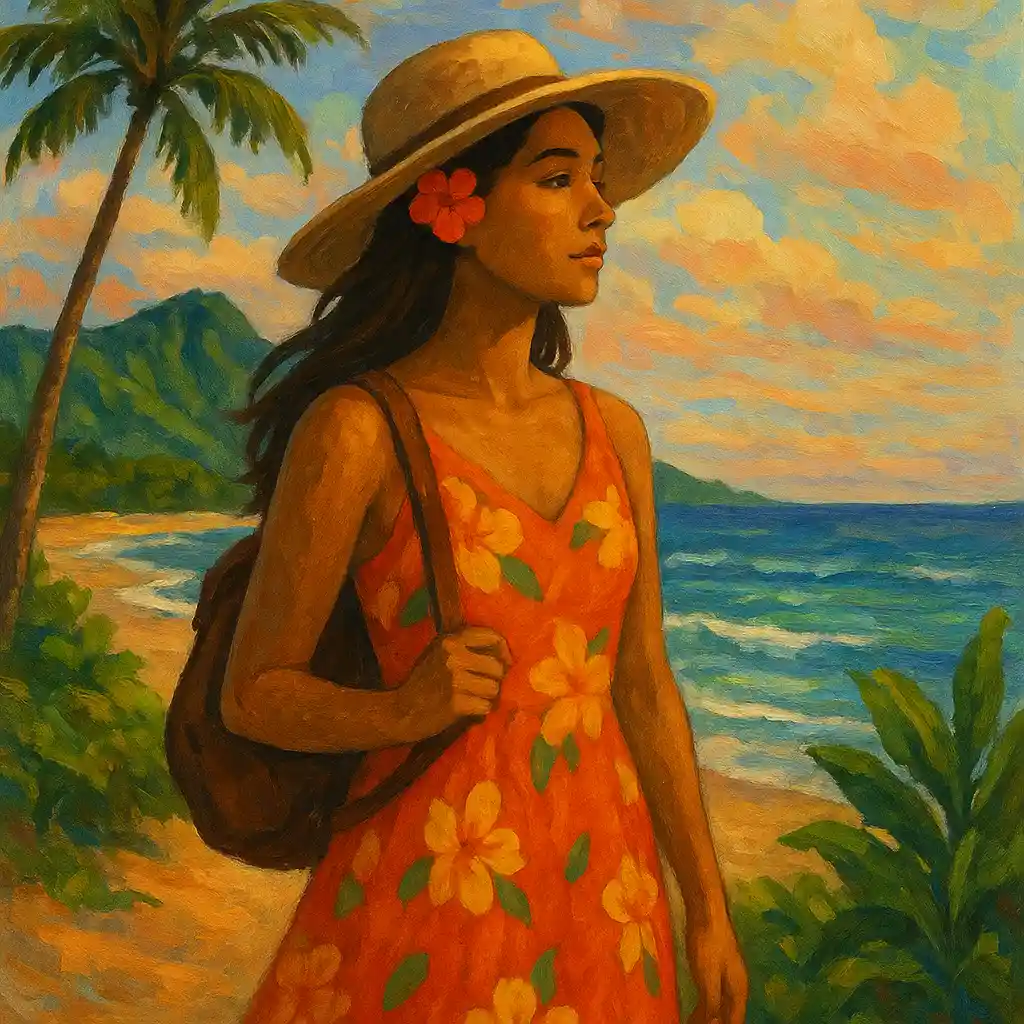
This blog is a practical guide packed with Tips for Women in Hawaii who want a trip that feels safe, meaningful, and aligned with values like sustainability, cultural respect, and social responsibility. You will find island guidance, planning ideas, safety notes, wellness options, budget help, and simple ways to connect with local communities—without overwhelming details.
1) Before You Go: Plan With Confidence (and Less Stress)
A good solo trip starts before the plane takes off. Hawaii is easy to visit, but it also has special rules, strong local culture, and sensitive nature. A little planning protects both you and the islands.
Choose the right travel style
Decide what you want most:
- Rest + simple beauty: beaches, easy walks, spa time, gentle snorkeling
- Nature + adventure: hikes, volcano areas, waterfalls, kayaking
- Culture + learning: museums, historic places, guided cultural tours
- Wellness + renewal: yoga, meditation, mindful mornings, healthier food
You can mix these, but choosing a “main theme” helps you plan a calmer trip.
Best time to visit (for comfort and cost)
Hawaii is warm all year, but prices and crowds change.
- Shoulder season (often best value): spring and fall
- Peak season (more crowds, higher prices): winter holidays and summer
- Weather note: rain is normal on many islands—pack for it instead of fighting it.
Book ahead where needed
Some popular places now use timed entry or reservations. Rules can change, so re-check a few days before you go, but these are common examples:
- Diamond Head (Oahu) often requires timed reservations
- Hanauma Bay (Oahu) commonly uses limited entry / reservations
- Waiʻānapanapa State Park (Maui, black sand beach near Hana) often requires reservations
- Some tours (whale watching, sunrise visits, small-group cultural tours) sell out early.
2) Smart Packing: Simple, Light, and Island-Ready
Packing well is one of the most useful Tips for Women in Hawaii, because it affects your safety, comfort, budget, and environmental impact.
A practical Hawaii packing list
Keep it simple and flexible:
- Breathable tops + one light sweater (planes and evenings can be cool)
- Shorts/skirts + one pair of light long pants (sun + mosquitoes + restaurants)
- Walking shoes with grip (for hikes and wet paths)
- Sandals that stay on your feet (not only flip-flops)
- Swimsuit + rash guard (sun protection, less sunscreen needed)
- Hat + sunglasses
- Reusable water bottle
- Small daypack or crossbody bag that closes fully
- Light rain jacket (especially for Kauai and parts of the Big Island)
Reef-safe and respectful choices
Hawaii’s ocean is precious. Many locals strongly support ocean-friendly behavior.
- Use reef-safer sunscreen (mineral sunscreens are often preferred)
- Avoid stepping on coral or touching sea life
- Do not take sand, rocks, or coral as souvenirs (it harms beaches and ecosystems)
3) Safety First: Calm, Clear Solo Travel Habits
Hawaii is generally welcoming, and many women feel comfortable there alone. Still, it is smart to travel with steady habits—especially on hikes, in water, or in nightlife areas.
Personal safety basics
These solo safety steps are simple but powerful:
- Share your itinerary with a trusted person
- Keep your phone charged (carry a small power bank)
- Use a hotel safe or hidden pouch for passport and backup cards
- Do not leave valuables in a parked car (car break-ins can happen in tourist areas)
- Limit alcohol when alone, especially at night
- Trust your instincts and leave situations that feel “off”
Ocean safety is real safety
Many visitors underestimate the water. Conditions can change quickly.
- Swim at lifeguarded beaches when possible
- Read posted signs (rip currents, high surf, jellyfish warnings)
- Do not turn your back on waves near rocky shorelines
- If snorkeling alone, stay in calm areas and do not push distance
Hiking safety basics
Even “easy” trails can be slippery.
- Start earlier in the day (less heat, more daylight)
- Tell someone where you are going
- Bring water, a snack, and a small first-aid kit
- Turn back if weather changes or the trail becomes unsafe
These are not fear-based rules. They are freedom tools.
4) Which Island Fits You Best?
Each island has its own mood. Choosing the right island is one of the best Tips for Women in Hawaii, because it shapes your whole trip.
Oahu: City energy + easy access + history
Oahu is ideal if you want variety and convenience.
Top highlights
- Waikiki: classic beach, easy walking, many hotels, shopping, and dining
- Diamond Head: a famous hike with wide views (go early)
- Pearl Harbor: a serious and moving historic visit
- Honolulu museums and local art: great for culture and learning
Solo-friendly plus Oahu has strong public services, many group tours, and lots of daytime activities. If you are new to solo travel, it can feel very manageable.
Maui: Scenic drives + beaches + wellness (with care)
Maui is known for beaches, sunsets, and the Road to Hana. It can be deeply relaxing, but it is also a place where respectful travel matters.
Top highlights
- Haleakalā National Park: sunrise views, crater landscapes, cooler air
- Road to Hana: waterfalls, gardens, coastline (start early, drive carefully)
- Snorkeling and boat trips: choose responsible operators
Important respectful note Parts of Maui have faced very painful losses in recent years, including the Lahaina wildfire in 2023. Travel to Maui can support recovery, but it must be done with sensitivity:
- Check local guidance and current access rules
- Avoid disaster tourism (no “damage sightseeing”)
- Support local businesses that are open and welcoming visitors
If you visit Maui with care, your money and attention can help the community rebuild.
Big Island (Hawaiʻi): Volcano power + farms + wide open space
The Big Island is huge and diverse. You can drive from tropical coast to cool mountain air in a day.
Top highlights
- Hawaiʻi Volcanoes National Park: lava landscapes, crater views, unique trails
- Kona coffee farms: tours, tastings, and farm stories
- Hilo area markets: local fruit, crafts, and community energy
- Stargazing areas: clear skies in many places (follow safety rules and local advice)
Solo-friendly plus If you like space and slower pacing, the Big Island feels grounding. Just plan driving times carefully—distances are longer than they look.
Kauai (bonus option): Lush nature + slower rhythm
If you want fewer crowds and more green landscapes, Kauai is often a favorite. It is excellent for nature-focused travelers who enjoy calm mornings and scenic walks.
5) Sustainable Travel: Small Actions, Real Impact
Many travelers care about sustainability, but Hawaii makes it feel personal. Resources like water and land are limited, and tourism has real effects.
Here are strong, doable Tips for Women in Hawaii who want to travel gently.
Support local, not only large chains
You can shift your spending in simple ways:
- Eat at local restaurants (especially farm-to-table places)
- Buy gifts at farmer’s markets and craft fairs
- Choose locally owned tours where guides live in the community
Reduce plastic and waste
Bring small reusable items:
- Water bottle
- Tote bag
- Reusable utensils (optional but useful)
- Reef-safer sunscreen in a non-leaking container
Choose responsible tours
Look for operators that:
- keep group sizes smaller
- follow wildlife distance rules
- do not feed wild animals
- share cultural and environmental education, not just entertainment
Respect land and water rules
In Hawaii, nature is not only “scenery.” Many places are culturally important. Follow signs, stay on trails, and treat closed areas as truly closed.
6) Cultural Respect: Learn More, Enjoy More
Hawaii has deep culture and history. When you approach it with respect, your trip becomes richer and more meaningful.
Cultural experiences that are worth your time
- A well-run luau: Choose one that explains traditions, credits cultural teachers, and treats culture with respect (not as a joke).
- Hula or ukulele lessons: Learn from trained local teachers, and treat it as learning—not “costume play.”
- Museums and historic sites: Especially on Oahu, you can learn about the Hawaiian Kingdom, colonization, immigration, and modern local life.
- Local storytelling tours: Many local guides share history in a thoughtful, personal way.
Simple respectful behaviors
- Learn correct place name pronunciation as best you can
- Ask permission before taking close photos of people
- Avoid entering sacred-looking spaces “just for a picture”
- If a place feels quiet and serious, behave quietly and seriously
These habits are not about being perfect. They are about being present and considerate.
7) Wellness and Self-Care: Make Hawaii a Reset, Not a Race
Solo travel is a special chance to care for your body and mind without distraction. Hawaii makes that easy if you allow enough “empty space” in your schedule.
Wellness ideas that feel natural in Hawaii
- Sunrise beach walk (even 15 minutes changes your day)
- Gentle yoga class or stretch time on your lanai/balcony
- Spa treatment using local ingredients (like coconut, salt, tropical botanicals)
- Float time: calm water swim or easy snorkel in safe areas
- “One quiet hour” every afternoon: journal, read, or rest
A simple travel journaling practice
If you want growth, keep it easy:
- Write 5 lines each evening: what you saw, what you felt, what you learned This creates a record of your trip and helps process emotions like loneliness or homesickness.
8) Food That Tells a Story: What to Eat and Where to Find It
Hawaii’s food is influenced by many cultures: Native Hawaiian, Japanese, Filipino, Portuguese, Chinese, Korean, and more. Trying local food is an easy way to connect with the place.
Must-try local foods
- Poke bowls (many styles; look for local fish options)
- Plate lunch (simple, filling, local classic)
- Poi (traditional Hawaiian staple; try it with an open mind)
- Shave ice (a joyful treat, perfect after a warm day)
- Fresh tropical fruit (often best from markets)
Best places to eat solo
- Farmer’s markets (easy, casual, healthy choices)
- Food trucks (quick, friendly, often excellent)
- Farm-to-table restaurants (good for values-based dining)
- Coffee farms and small cafés (quiet solo moments)
If you have dietary needs, Hawaii usually offers strong options, including vegetarian and gluten-free choices—especially in larger towns.
9) Sustainable Souvenirs: Bring Home Meaning, Not Clutter
Souvenirs can support local artists and help you remember your trip in a personal way.
Good souvenir choices
- Locally made jewelry and crafts
- Art prints by local artists
- Hawaiian coffee and locally grown tea
- Macadamia nuts and locally made snacks
- Organic skincare products made on the islands
- Eco-friendly clothing made by local designers (or secondhand finds)
What not to buy
Avoid items made from:
- coral or seashells taken from beaches
- endangered woods or animal products
- cheap mass-produced “Hawaiian-themed” items that do not support locals
One strong rule: if you do not know what something is made of, do not buy it.
10) Budget-Friendly Tips (Without Feeling “Cheap”)
Hawaii can be expensive, but you can control costs with smart planning. These Tips for Women in Hawaii focus on comfort and quality, not deprivation.
Save money on timing and lodging
- Travel in shoulder seasons for better deals
- Book earlier for good flight prices
- Consider:
- smaller local inns
- legally run homestays (where allowed)
- simple studios with a kitchenette (big savings on food)
Use free and low-cost experiences
Some of the best moments cost very little:
- beaches, sunsets, and scenic walks
- public gardens and many lookouts
- farmers markets (tasting and browsing is an activity)
- self-guided city walks in Honolulu
- ranger programs in national parks (when available)
Transportation: choose what matches your island
- Oahu: public transit and ride shares can work well in town
- Maui / Big Island / Kauai: a rental car is often the easiest choice If you rent a car, plan fewer long drives and keep your days realistic.
11) Handling Loneliness: A Normal Feeling, Not a Problem
Even confident travelers can feel lonely at times. This is common, especially during quiet dinners or evenings. The goal is not to “fix” the feeling fast, but to have gentle tools.
Easy ways to feel connected
- Join a small-group tour for one day (snorkel, food tour, cultural walk)
- Take a class (lei making, ukulele, hula, cooking)
- Visit the same café twice and become a familiar face
- Volunteer for a beach cleanup or community project (short and meaningful)
A helpful mindset shift
Loneliness on a solo trip often shows that you are making space for real emotions. That space can lead to clarity and personal growth—if you treat yourself kindly.
12) A Sample 9-Day Solo Itinerary (Balanced and Realistic)
Here is a simple plan that includes nature, culture, rest, and values-based choices. Adjust based on your pace and budget.
Days 1–3: Oahu (settle in + culture + history)
- Day 1: Waikiki walk, early night, hydrate
- Day 2: Diamond Head hike early + beach afternoon
- Day 3: Pearl Harbor visit + museum or local market
Days 4–6: Maui (nature + wellness + mindful travel)
- Day 4: Travel day + sunset + simple dinner
- Day 5: Haleakalā National Park (dress warm) + light wellness evening
- Day 6: Road to Hana (or choose a guided tour if you prefer not to drive)
Days 7–9: Big Island (volcano + farms + wide-open beauty)
- Day 7: Arrive + Kona coffee farm visit
- Day 8: Hawaiʻi Volcanoes National Park day (bring layers and water)
- Day 9: Hilo Farmers Market + quiet final evening
This structure avoids constant rushing and gives each island a clear purpose.
Final Thoughts: Your Trip Can Be Light, Strong, and Yours
Hawaii is not only a place to “get away.” It can be a place to return to yourself—through ocean air, walking rhythm, culture, and quiet mornings. With the right planning, solo travel here can feel both safe and deeply alive.
If you remember only a few points, let them be these:
- Make choices that protect your safety (especially ocean and hiking)
- Travel in ways that respect local culture and community needs
- Spend money where it supports local people
- Leave room in your schedule for rest and reflection
These are the most lasting Tips for Women in Hawaii—not because they make you a perfect traveler, but because they help you have a better trip and leave a better impact.
Aloha, and safe travels.