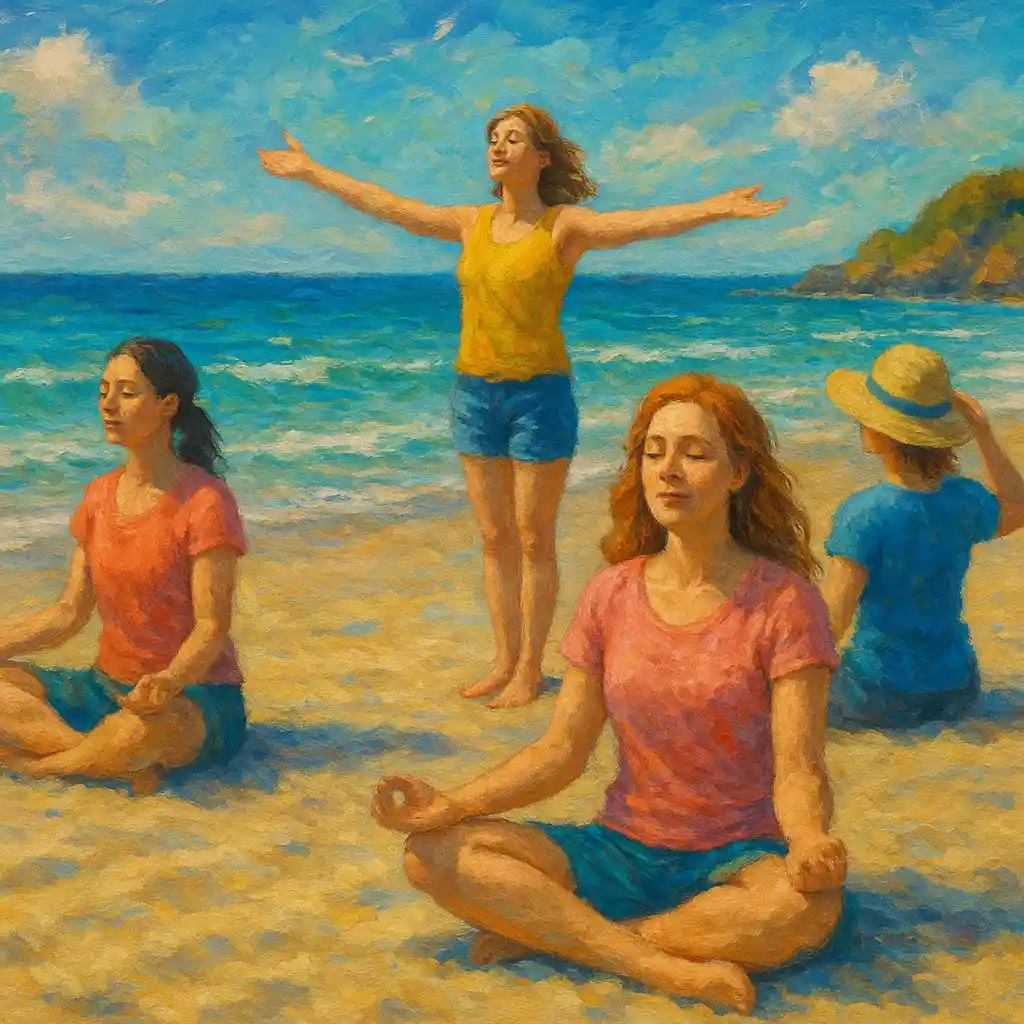
Life can feel full. Work, family needs, house tasks, and constant messages can make your days busy from morning to night. If you are a woman in Canada—especially in your 40s, 50s, or beyond—you may feel that your own rest often comes last. A beach trip can change that in a simple, powerful way.
A Beach Experience with Relaxation Techniques is more than “going to the beach.” It is a gentle plan for your body and mind. It helps you slow down, breathe better, and feel present. It also helps you return home with more energy, clearer thoughts, and a softer heart toward yourself.
This blog post is a guide you can save and use. It shares practical ideas for choosing a beach, packing the right items, staying safe, eating well, and building small relaxation rituals that fit real life.
Why a Beach Experience with Relaxation Techniques Works So Well
A beach is a natural place for calm. It gives you space, fresh air, and steady sounds. Many women feel better after time near water because it supports rest in several ways.
1) Mental calm and stress relief
- The sound of waves is steady and repetitive. This helps many people feel grounded.
- Your brain gets a break from screens, noise, and fast decisions.
- Nature can help you feel “bigger than your problems,” in a kind way.
2) Gentle movement for the body
A beach day often includes walking, stretching, swimming, or simply sitting in fresh air. These are light activities, but they can help your circulation and loosen tight muscles.
3) A stronger connection to yourself
When you slow down, you can hear your own thoughts again. A Beach Experience with Relaxation Techniques can support:
- clearer boundaries (“I need rest”)
- better self-trust (“I can choose what I need”)
- more gratitude and calm focus
Choosing the Right Canadian Beach for Your Relaxation Style
Not every beach feels relaxing. Some beaches are loud and crowded. Others are quiet and simple. Before you choose, think about what kind of calm you want.
Step 1: Pick your “calm level”
Quiet and low-stimulation
- Smaller beaches
- Early morning visits
- Parks with long shorelines
Comfort and convenience
- Beaches with washrooms, parking, and boardwalks
- Places near cafés or simple hotels
Nature-first and wild
- Ocean beaches with big waves
- Dunes, forests, and long walking trails
Step 2: Check practical details
To support a smooth Beach Experience with Relaxation Techniques, look at:
- crowd level (weekday vs weekend)
- parking distance (especially if carrying a chair)
- shade options (trees, cliffs, or bring your own)
- lifeguards and swimming rules
- cell service (important for solo travel)
- accessibility (paths, stairs, sand softness)
Beach ideas across Canada (examples)
- British Columbia: Long Beach (Tofino area), Wreck Beach (Vancouver, clothing-optional sections—check comfort and rules)
- Alberta: Sylvan Lake (popular; go early for calm)
- Manitoba: Grand Beach (wide sand, sunsets)
- Ontario: Sandbanks Provincial Park, Wasaga Beach, Sauble Beach
- Quebec: Beaches near Gaspé or along the St. Lawrence (check water temperature and tides)
- New Brunswick: Parlee Beach (warm water in summer)
- Nova Scotia: Ingonish Beach (beautiful views), Crystal Crescent (check conditions)
- Prince Edward Island: Many calm red-sand beaches and dunes
- Newfoundland and Labrador: Stunning coastlines; pack warm layers and plan for wind
Packing Essentials for a Truly Relaxing Beach Day (Canada-Friendly)
Packing well removes stress. It also helps you stay longer, feel comfortable, and keep your mind on rest.
Core comfort items
- Large towel or beach blanket (one for sitting, one for drying if possible)
- Supportive chair (optional, but very helpful for older backs and hips)
- Warm layer (light hoodie or windbreaker—Canadian beaches can change fast)
- Hat and sunglasses
- Water bottle (reusable, easy to refill)
- Simple sandals + comfortable walking shoes (for nearby trails)
Sun protection (gentle and smart)
- Broad-spectrum sunscreen SPF 30+
- Lip balm with SPF
- After-sun moisturizer or aloe gel
- Umbrella or pop-up shade if the beach has little natural shade
Eco-friendly swaps that are easy
A Beach Experience with Relaxation Techniques often feels best when your choices match your values.
- reef-safer sunscreen options when possible
- reusable snack containers
- reusable cutlery
- a small bag for your own trash (and maybe extra litter you find)
Your “calm kit” (small but powerful)
- a paperback or e-reader
- journal + pen
- earplugs (useful if a beach gets noisy)
- a light scarf (can be used as a pillow or extra warmth)
- essential oil roll-on (optional; use lightly and respectfully around others)
A Simple Beach Arrival Ritual (5 Minutes)
This is a fast way to shift from “busy mode” to “beach mode.” Do it every time, even if you only have one hour.
- Stand still and look at the water for 30 seconds.
- Drop your shoulders and soften your jaw.
- Take three slow breaths:
- inhale through the nose (4 seconds)
- exhale through the mouth (6 seconds)
- Name your intention (quietly, in your mind):
- “Today I rest.”
- “Today I let go.”
- “Today I keep things simple.”
This small ritual sets the tone for a full Beach Experience with Relaxation Techniques.
Breathing Exercises You Can Do on the Sand (No Experience Needed)
Breathing is one of the fastest ways to calm the body. These exercises are safe, simple, and private.
1) Wave Breathing (2–4 minutes)
- Sit comfortably and watch the waves.
- Inhale as a wave rises.
- Exhale as it falls or reaches the shore.
- Keep your breath gentle. Let the ocean lead.
2) 4–6 Breathing (3 minutes)
Good for stress and “racing thoughts.”
- Inhale for 4
- Exhale for 6
- Repeat 10 times
3) Shoulder-Release Breathing (1 minute)
- Inhale and lift shoulders up
- Exhale and let them drop
- Repeat 5 times
A Short Guided Beach Meditation (You Can Read It to Yourself)
Find a spot where you feel safe and comfortable. Sit or lie down.
Meditation script (5–7 minutes):
- “I am here. I am safe enough in this moment.”
- “I feel the support under my body.”
- “I listen to the waves. I do not need to fix anything right now.”
- “Inhale: I welcome calm.”
- “Exhale: I release tension.”
- “If thoughts come, I notice them and let them pass like clouds.”
- “I return to the sound of water.”
- “When I am ready, I open my eyes slowly and look at the horizon.”
This is the heart of a Beach Experience with Relaxation Techniques: simple attention, simple breathing, simple presence.
Mindful Beach Walking: A Moving Relaxation Practice
Walking on the beach is not only exercise. It can become a mindfulness practice.
How to do it (10–20 minutes)
- Walk slowly near the shoreline or on a firm path.
- Keep your shoulders relaxed.
- Feel your feet:
- the sand texture
- the shift in weight
- the ground supporting you
- Every few minutes, pause and look around:
- sky
- water
- birds
- driftwood or shells
A gentle “mind reset” cue
When you notice stress thoughts:
- say quietly: “Back to this step.”
Beach Yoga and Stretching (Beginner-Friendly)
You do not need a perfect yoga outfit or a perfect body. You only need gentle movement that respects your joints.
Best times
- Sunrise: quiet, cool, fewer people
- Sunset: softer light, calm mood
Beach-friendly poses (10–15 minutes)
Do what feels safe for you. Skip anything that hurts.
- Mountain Pose (stand tall, breathe)
- Neck rolls (slow, gentle)
- Shoulder circles
- Standing side stretch (one hand up, lean softly)
- Forward fold (soft knees)
- Low lunge (optional, with hands on thigh)
- Seated twist (great for back tension)
- Child’s pose (on a towel; knees supported)
- Legs-up-on-a-bag/chair (if you brought one—helps rest)
A calm Beach Experience with Relaxation Techniques should leave you feeling better, not pushed.
Partner stretches (if you travel with a friend)
- seated back-to-back breathing (sync slow breaths)
- gentle supported chest opener (standing, hands behind back, very light pressure)
- shoulder stretch with towel (one holds towel, the other gently pulls—no pain)
Creative Relaxation Activities That Feel Light and Joyful
Relaxation is not always “doing nothing.” Sometimes it is doing something simple that feels meaningful.
1) Beach journaling (easy and private)
Bring a small notebook. Keep it simple.
Journal prompts for a Beach Experience with Relaxation Techniques
- “Right now, my body feels…”
- “I am letting go of…”
- “One thing I want to remember from today is…”
- “A value I want to live this month is…”
- “What feels peaceful for me is…”
Tip: Write for 5 minutes only. Short journaling often works better than long journaling.
2) Beach photography (mindful, not perfect)
Instead of taking many photos, take five intentional photos:
- the horizon
- a texture (sand, rock, shell)
- something moving (waves, birds)
- something still (driftwood, dune grass)
- a self-portrait (optional, for memory)
This creates calm focus and a sense of “I was here.”
3) Shell collecting and simple crafts
If allowed in that area, collect only a few items. Keep nature in balance.
- choose empty shells (not living animals)
- take only what you will truly keep and love
- leave special finds for others when possible
At home, you can create:
- a shell dish (small bowl for jewelry)
- a memory jar (shell + note from your journal)
- a simple frame (minimal glue, clean look)
Healthy Beach Snacks and Hydration (Simple, Realistic)
Food choices can support your mood and energy. A good plan also prevents the “crash” from sugar and dehydration.
Hydration basics
- Bring water and start drinking before you feel thirsty.
- On hot days, consider adding electrolytes (low sugar) if it suits you.
- Limit alcohol if your goal is deep rest—it can affect sleep and hydration.
Easy snack ideas (travel-friendly)
Fresh
- grapes, apples, oranges
- baby carrots, cucumber slices
- cherry tomatoes
Protein + steady energy
- mixed nuts and seeds
- roasted chickpeas
- tuna pouch + whole-grain crackers (easy, no mess)
- cheese + crackers (use an ice pack)
Simple “beach lunch”
- wrap with hummus, greens, and turkey or tofu
- pasta salad with veggies and olive oil dressing
- quinoa salad with beans
A steady body supports a steady mind—key for a lasting Beach Experience with Relaxation Techniques.
Local and sustainable choices
When you can:
- buy from local markets (fresh fruit, baked goods)
- choose local cafés instead of large chains
- bring reusable containers and avoid single-use plastics
Social Responsibility and Cultural Respect at Canadian Beaches
A relaxing beach is also a shared space. Respect improves everyone’s experience.
Leave-no-trace basics
- take all garbage with you
- pick up micro-trash (bottle caps, small wrappers)
- avoid stepping on dune grass (it protects the shoreline)
- keep a respectful distance from wildlife
- follow fire rules and local signs
Supporting local communities
If you visit small coastal towns:
- shop locally for snacks or souvenirs
- be kind and patient in busy seasons
- respect parking rules and private property
These habits help keep beaches beautiful for the future.
Safety Tips for Women (Including Solo Beach Days)
A calm day also needs smart planning. Safety can be simple and practical.
Before you go
- share your location or plan with someone you trust
- check tide times and weather alerts (especially on ocean coasts)
- charge your phone and pack a small power bank
- know where the closest washroom, lifeguard station, or main road is
At the beach
- choose a spot near other respectful groups if you are alone
- keep valuables minimal (one card, some cash, ID)
- use a small waterproof pouch for phone/keys if you swim
- trust your instincts and move if you feel uncomfortable
Water safety
- follow posted signs about currents and swimming areas
- avoid swimming alone in rough conditions
- if you are unsure, stay in shallow water or enjoy walking instead
A safe Beach Experience with Relaxation Techniques feels peaceful because you prepared well.
A “Half-Day Beach Reset” Plan
If you want structure without pressure, try this. Adjust it to your energy level.
Hour 1: Arrive and settle
- 5-minute arrival ritual (breathing + intention)
- set up towel/chair, sunscreen, water
- sit quietly for 10 minutes and watch the water
Hour 2: Gentle movement
- 15-minute mindful walk
- 10-minute stretching or simple yoga poses
Hour 3: Nourish and reflect
- eat a steady snack or lunch
- 5–10 minutes of journaling
- optional: take five intentional photos
Hour 4: Deep rest
- read a book
- lie down with a hat over your eyes
- 5-minute guided meditation
This plan creates a full Beach Experience with Relaxation Techniques without rushing.
Post-Beach Self-Care: Keep the Calm Going at Home
Your beach day does not need to end when you leave the shore. The way you end the day matters.
1) Gentle skincare after sun and wind
- rinse off salt and sand with warm water
- cleanse softly (no harsh scrubbing)
- moisturize while skin is still slightly damp
- drink water and eat something nourishing
2) A relaxing bath or shower ritual (15–25 minutes)
- warm (not too hot) bath or shower
- calming scent if you like it (lavender or eucalyptus)
- quiet music or silence
- soft towel and comfortable clothes after
3) Reflect (short and kind)
Write 3 lines:
- “Today I enjoyed…”
- “Today I released…”
- “Tomorrow I will protect my peace by…”
This helps your nervous system remember calm. It also makes your next Beach Experience with Relaxation Techniques easier to return to.
A Note on Mindset: Make the Beach About Your Values
Relaxation is not only a place. It is also a decision.
A values-based beach day might mean:
- choosing rest instead of pushing yourself to “do more”
- choosing comfort instead of worrying about appearance
- choosing a simple plan instead of trying to please everyone
- choosing nature instead of constant phone time
When you protect your peace, you return to your life with more patience, strength, and clarity.
Conclusion: Your Next Beach Experience with Relaxation Techniques Can Be Simple—and Powerful
You do not need a perfect vacation or a long trip to feel restored. Even a short visit to a Canadian beach can become a meaningful reset when you bring the right tools: smart packing, gentle breathing, mindful walking, simple movement, nourishing snacks, and respectful habits toward nature and others.
A Beach Experience with Relaxation Techniques is a gift you can give yourself again and again. It is not selfish. It is steady self-care. It is a quiet way to say: “My well-being matters.”
Save this guide, choose one or two techniques to start, and let the beach do what it does best—help you breathe, soften, and return to yourself.