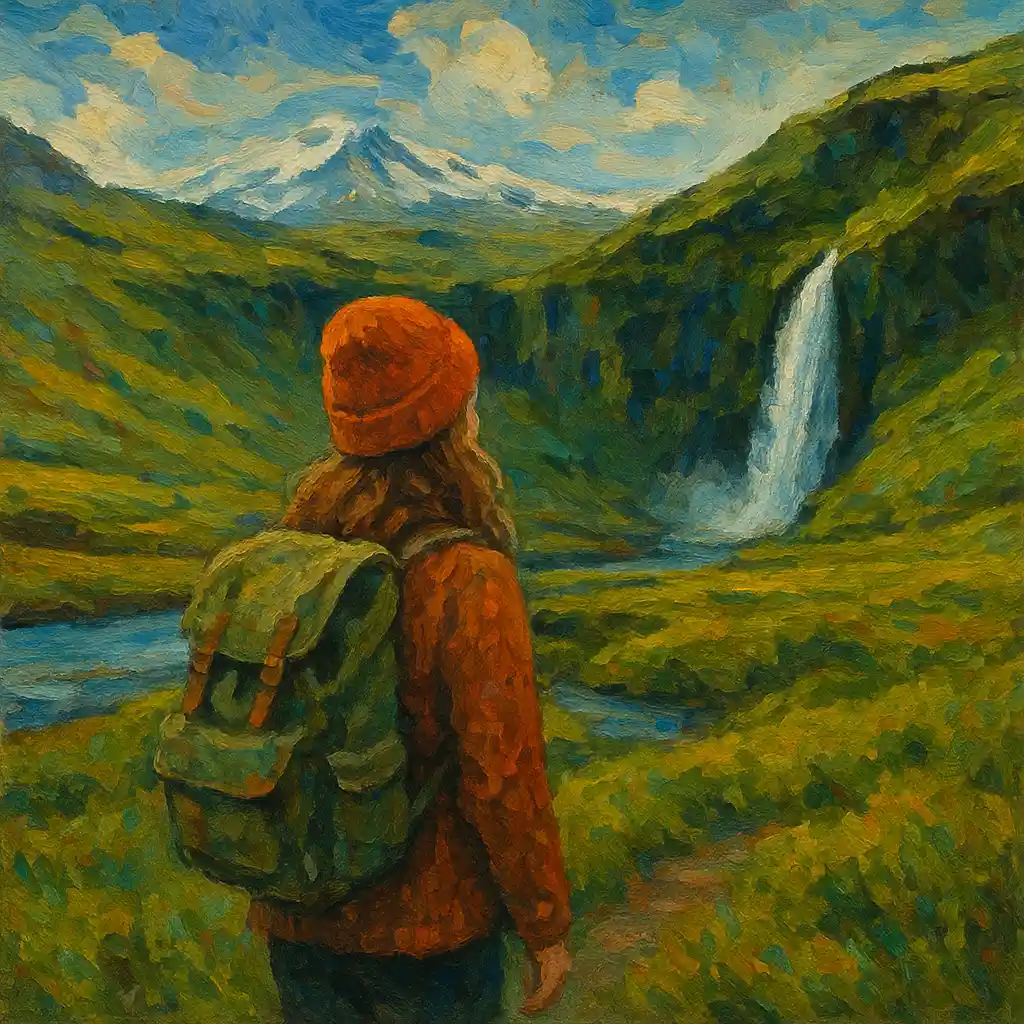
Reykjavik can feel like a fresh breath of air in city form. The light is clean, the pace is calm, and nature is never far away. For an eco-conscious American woman in her 50s, the city offers something special. It is modern but not rushed. It is creative but still deeply connected to tradition. You can enjoy art, music, food, design, and hot pools in one day, and still be home early with time to write in your journal.
This blog entry is built for travelers who want more than a checklist. It is for those who want Icelandic Culture and Icelandic Culture: Eco-Conscious Adventures in the same trip, without stress and without waste. It focuses on sustainable choices, cultural respect, women-friendly safety, and simple habits that make a real difference.
Why Reykjavik fits eco-conscious travel so well
Iceland is known for renewable energy. Many homes and buildings use geothermal heat from the earth and electricity from hydropower. This does not make a trip automatically sustainable, but it helps. It also shapes local attitudes. Nature is not just scenery in Iceland. It is part of daily life and part of national identity.
Reykjavik is also compact. Many highlights are walkable. That means fewer taxis, fewer emissions, and more time to notice details like street art, local design, and the way the ocean light changes during the day.
This is a city where sustainability can feel normal, not like a strict rule. Small choices are easy here, and they add up.
Pre-trip planning that supports sustainability and comfort
Choose eco-friendly lodging with clear proof
Look for places that show real actions, not only marketing words. In Iceland and Europe, these labels can help:
- Green Key (popular for hotels with verified environmental standards)
- Nordic Swan Ecolabel (strong Nordic sustainability certification)
You can also scan hotel websites for practical signs of sustainability, such as:
- refillable soap and shampoo
- good recycling access
- energy-saving lighting
- local staff and local partnerships
- breakfast with local foods
A central location is also a sustainability choice. Staying downtown helps you walk more and use fewer rides.
Pack for Iceland’s fast-changing weather, not for fashion perfection
Reykjavik weather can shift quickly. Wind and light rain are common. Dressing well here means dressing smart.
A simple, low-waste packing plan looks like this:
- waterproof jacket with a hood
- warm mid-layer like fleece or wool
- thin base layers that dry fast
- comfortable waterproof walking shoes
- warm socks, hat, and gloves even in shoulder seasons
- small day bag you already own
- swimsuit for pools and hot springs
- reusable water bottle
- small reusable shopping bag
- travel utensil set if you like take-away meals
A helpful mindset shift is to pack fewer items that work together. Icelandic style is often simple and practical, with good outerwear and neutral layers.
Learn a few cultural basics before you arrive
A little cultural knowledge reduces stress and increases connection.
Useful points for Icelandic Culture in daily life include:
- People value personal space and calm behavior in public.
- Punctuality matters for tours and reservations.
- Icelanders often communicate in a direct but polite way.
- Many people speak English well, but small Icelandic words show respect.
Simple words to remember:
- Takk = thank you
- Góðan daginn = good day
- Góða nótt = good night
- Bless = casual goodbye
Getting around Reykjavik with a light footprint
Walk first, then bus, then bike
Central Reykjavik is built for walking. Sidewalks are easy, and the city is not huge. Walking is also the best way to see the small things, like cozy cafés, local bookstores, and design shops.
For longer distances, public buses are a solid option.
- Strætó is the main bus system in the capital area.
- Plan routes with the Strætó app or Google Maps.
- Pay attention to schedules, especially evenings and weekends.
Biking can be great in good weather, but wind can be strong. If you rent a bike, choose a stable one and plan shorter routes. A relaxed waterfront ride can be more enjoyable than a long cross-city push.
Electric vehicles and eco-friendly tours
If you want to go beyond the city for a day, an electric car rental or a small-group tour can reduce impact compared to a large private car for one person.
When you book a tour, look for:
- small groups
- clear waste rules
- respect for wildlife
- guides trained in local safety
- locally owned or locally staffed companies
- realistic timing that avoids rushed “photo-only” stops
A simple travel rule helps: fewer stops, more depth. That often means less driving and more real experience.
Mini carbon-footprint habits that work in real life
These habits are easy and effective:
- carry a reusable bottle and refill it
- refuse single-use cutlery when not needed
- eat at places with local and seasonal menus
- buy fewer souvenirs, but buy better ones
- choose experiences over objects when possible
Reykjavik’s eco-friendly attractions with cultural value
Reykjavik is not only a gateway to waterfalls and glaciers. The city itself has strong cultural sites, many of them easy to visit by foot.
Harpa Concert Hall
Harpa is one of Reykjavik’s icons. It is a glass building near the harbor, bright and geometric. Even if you do not attend a concert, it is worth walking through.
Eco-value comes from thoughtful design and efficient use of light. Cultural value comes from how central music is to Icelandic identity. Iceland’s music scene is famous, and Harpa is one of its main stages.
If you attend a performance, treat it as cultural immersion, not background entertainment. Arrive a little early, sit quietly, and let the sound and space do their work.
Hallgrímskirkja and the city viewpoint
This church is both spiritual and architectural. The design is inspired by Icelandic nature, especially basalt columns formed by lava cooling.
If you go up to the tower, you get a clear view of Reykjavik’s layout. Seeing the city from above helps you walk it better afterward, which supports your eco-conscious plans.
The old harbor and waterfront path
The harbor area is a great place for a mindful walk. You see fishing boats, sea air, and sometimes strong winter light that feels almost silver.
Add these stops:
- Sun Voyager sculpture for a calm ocean moment
- small local design shops near the harbor
- a warm drink in a café that uses ceramic cups, not disposable ones
Reykjavik Art Museum and local galleries
Art is a strong way to understand Icelandic Culture. Look for exhibits that connect to:
- nature and climate
- identity and language
- feminism and equality
- modern life in a small island nation
Museum visits are also low-impact indoor activities, helpful on windy or rainy days.
City pools as cultural immersion, not just relaxation
Public pools are a daily ritual in Iceland. They are social, affordable, and often heated with geothermal energy. They are also a safe, comfortable space for solo travelers.
Pool culture has rules. Following them is part of respectful travel:
- Shower fully without a swimsuit before entering the pool area.
- Follow posted signs and staff directions.
- Keep voices calm in shared areas.
Bringing your own swimsuit and towel can reduce laundry pressure if you plan pool days together. If you rent towels, use them more than once if the hotel allows it.
Sustainable shopping that supports local craft and reduces clutter
Shopping can be a meaningful part of Eco-Conscious Adventures when it supports local makers and avoids impulse buys.
Choose Icelandic materials with a real story
Good options include:
- Icelandic wool items made locally
- small ceramics and handmade home goods
- locally designed clothing with durable fabric
- natural skincare from Icelandic ingredients, bought in refillable or minimal packaging
A useful rule is to buy items you will use for years, not items that will become dust collectors.
Secondhand and vintage shops
Secondhand shopping is one of the easiest ways to reduce travel impact. Reykjavik has several secondhand stores, and browsing them can be a fun cultural moment. You see local style and find practical layers.
Support women-owned and women-led businesses with care
If supporting women-owned businesses matters to you, focus on actions, not only labels. Use these steps:
- check a business “About” page
- look for local interviews or profiles
- choose workshops and tours led by women
- buy from women artists at markets and small galleries
This approach supports equality without relying on rumors or unclear claims. Iceland has a strong reputation for gender equality, and many women lead creative and business projects.
Dining sustainably in Reykjavik without losing joy
Food is one of the best entry points into Icelandic Culture. It is also a place where eco choices are practical.
Eat local and seasonal when you can
In Iceland, local food can include:
- Arctic char or other local fish
- lamb raised on Icelandic land
- skyr as a classic dairy food
- rugbrauð, dark rye bread often linked to geothermal baking traditions
- seasonal vegetables grown in greenhouses heated with geothermal energy
Local does not always mean perfect, but it often means fewer transport emissions and stronger local economy support.
Plant-forward meals and vegan-friendly spots
Reykjavik has many vegetarian and vegan options. Choosing plant-forward meals even part of the time can reduce footprint. It also helps balance a travel diet, especially on cold days when heavy meals are common.
A simple pattern works well:
- one fish or lamb meal for cultural connection
- one plant-based meal for footprint balance
- snacks from grocery stores to reduce packaging and cost
Reduce food waste while dining out
Food waste is a climate issue. These habits help without feeling strict:
- order smaller portions if available
- share dishes if traveling with a friend
- take leftovers when possible
- choose cafés that serve on real plates when you eat in
- carry a small container for snacks if you already use one at home
Safety and ease for women exploring alone
Reykjavik is often described as safe, and many women travel alone comfortably. Still, good habits support peace of mind.
Stay central and well-lit
A central base helps you walk home without long routes. It also keeps you close to cafés, shops, and bus lines.
When choosing lodging, look for:
- good street lighting nearby
- clear entry system
- staffed reception or clear support contact
- solid reviews from solo travelers
Evening transportation
If you go out at night, keep it simple:
- walk only in well-lit areas with people around
- use licensed taxis or trusted ride services
- plan your route before you leave a venue
- keep your phone charged and carry a backup charging option
Trust your instincts, and use local support
If a place or situation feels wrong, leaving is always the correct choice. For help, staff in cafés, hotels, museums, and public services are usually direct and helpful.
This is also a cultural detail. Direct communication is normal in Iceland. Clear requests are respected.
Cultural immersion experiences that stay eco-friendly
The strongest trips are not only scenic. They change you a little.
Music, literature, and live culture
Reykjavik has a living arts scene. Cultural immersion can include:
- a small live music venue
- a choral performance in a church
- a local bookstore visit, even if you buy only one item
- a museum exhibit focused on Icelandic history or modern identity
To deepen the moment, slow down. Stay for the full performance. Read the program notes. Sit with what you hear and feel.
Eco-friendly craft workshops
Hands-on learning creates strong memory and supports local makers. Look for workshops like:
- wool crafts and knitting traditions
- ceramics
- natural dye or textile work
- small cooking classes focused on local ingredients
Workshops often have a lower footprint than motor-heavy activities and give a deeper cultural link.
Volunteering and community-based activities
If you have time, short volunteer activities can be meaningful, such as:
- community cleanups
- beach cleanup events
- local environmental education sessions
- tree planting programs when available
Choose only legitimate programs with clear structure. Avoid experiences that feel like “volunteer tourism” without real local benefit.
Day trips from Reykjavik with nature, respect, and realism
You do not need to rush across the whole island. A few carefully chosen day trips can deliver huge nature impact with lower stress.
The Golden Circle with a mindful plan
This classic route includes:
- Þingvellir National Park for geology and history
- Geysir geothermal area
- Gullfoss waterfall
Eco-friendly tips for this day:
- choose a small-group tour or EV rental
- bring snacks to avoid extra packaging buys
- stay on marked paths to protect fragile ground
- treat Þingvellir as a cultural site, not only a photo stop
- it is linked to Iceland’s early parliament history and national identity
South Coast highlights with fewer stops
The South Coast can include waterfalls, black sand beaches, and wide open views. It is popular for a reason.
A sustainable approach:
- pick fewer locations
- spend longer at each one
- follow safety signs on beaches and cliffs
- avoid walking on fragile moss and protected areas
Icelandic nature often looks tough, but some parts are extremely delicate and recover slowly.
Reykjanes Peninsula for a closer nature escape
Reykjanes is nearer to Reykjavik and can be a strong choice for travelers who want less time in a car. It offers lava fields, geothermal areas, and coastal views. Shorter distance can mean lower emissions and a calmer day.
Geothermal bathing as a day trip
A geothermal soak can be both cultural and restorative. It also supports the Icelandic habit of using local heat sources for wellness and community.
To keep it sustainable:
- bring your own swimwear
- use reef-safe or minimal skincare products before bathing
- choose places with strong environmental management and clear rules
Responsible travel practices that protect what you came to see
Sustainable travel is not one big action. It is a series of small, repeatable habits.
Plastic and recycling basics
- Carry your own bottle and refill it. Tap water in Iceland is excellent.
- Use your tote bag for groceries and shopping.
- Recycle when bins are available, and follow local sorting rules.
- Say no to hotel room cleaning every day if you do not need it.
Wildlife respect
If you join whale watching or bird-focused trips:
- choose operators with clear wildlife rules
- avoid tours that chase animals too closely
- keep voices calm and follow guide instructions
- stay patient, since wildlife is never guaranteed
A respectful mindset is part of Icelandic Culture. Nature is not a theme park. It is a living system.
Cultural sensitivity in daily moments
Cultural respect looks like small things:
- speaking calmly in shared spaces
- respecting public pool rules
- keeping distance in quiet areas
- paying fairly and tipping only when it fits local norms
- not entering private land without permission
This kind of respect builds real connection and keeps travel welcome for locals.
Personal growth on the road, and taking it home
The best Eco-Conscious Adventures do not end at the airport. They change your habits, your attention, and your sense of enough.
Simple journaling prompts for a deeper trip
These are written as statements, so they can go straight into your notebook:
- Today I noticed how the city supports nature and community.
- Today I made choices that reduced waste and supported local life.
- A moment of Icelandic Culture that stayed with me was this.
- One small travel habit I want to keep at home is this.
- A feeling I want to remember from this trip is this.
A short breathing cue for busy travel days
Stand still for a moment, feet grounded. Inhale slowly through the nose for four counts. Hold for two counts. Exhale gently for six counts. Repeat three times.
This simple rhythm helps you arrive in your body again, especially when weather, crowds, or schedules feel tiring.
Sustainable travel goals for the next trip
After Reykjavik, many travelers feel motivated to keep going. Setting gentle goals helps turn inspiration into habit:
- choose eco-certified lodging when possible
- travel slower, with fewer locations and more time
- carry a reuse kit that fits in one small pouch
- support women-led and local businesses more intentionally
- keep learning cultural basics before arrival, even just a page or two
A final note on Icelandic Culture and Eco-Conscious Adventures
Reykjavik offers a rare mix. It is a city where modern life and wild nature sit close together. It is a place where you can enjoy art and design in the morning, walk the ocean path in the afternoon, soak in a geothermal pool in the evening, and still feel like you traveled with care.
This is what makes Icelandic Culture: Eco-Conscious Adventures more than a phrase. It becomes a way of moving through the world. With a reusable bottle, a respectful attitude, and a slower pace, you can explore Reykjavik in a way that feels good now and still feels good later when you remember it.
Travel lightly. Listen closely. Buy less and experience more. Let the city teach you its calm strength, then take that lesson home.