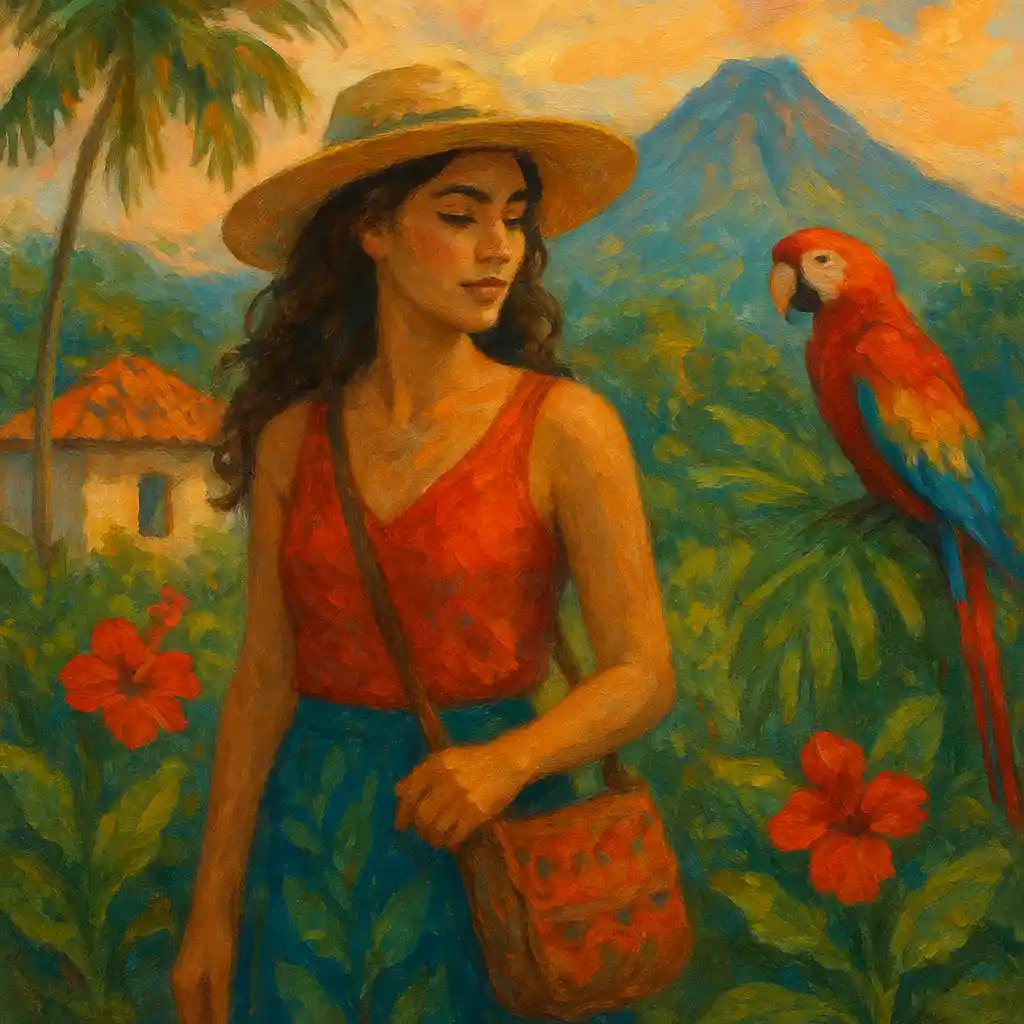
Cultural immersion in Costa Rica can be much more than a sunny vacation. It can be a slower, deeper, and more meaningful way to travel—especially for women who want sustainability, personal growth, and real connection. Picture rainforests and beaches, yes, but also shared meals, local conversations, mindful mornings, and choices that support communities. This guide is designed to help you plan cultural immersion in Costa Rica with respect, confidence, and joy.
Cultural immersion in Costa Rica is not about “doing it all.” It’s about being present, learning with humility, and letting the country change you in small, lasting ways.
If you’ve ever felt the pull to travel differently—more intentionally, more responsibly—Costa Rica is a beautiful place to begin. The “Pura Vida” spirit is real: it’s a reminder to slow down, appreciate simple moments, and choose what matters. Throughout this post, you’ll find practical ideas you can actually use: what to plan before you go, what to pack, how to connect with local women, and how to build small daily rituals like journaling and mindful breathing while you travel.
Why cultural immersion in Costa Rica is a great fit for women travelers
Costa Rica is known for welcoming visitors, and many women travelers feel comfortable exploring there—whether solo, with friends, or on a group trip. But the real reason cultural immersion in Costa Rica works so well is the combination of nature, community life, and a strong sustainability mindset. It’s a place where you can explore rainforests in the morning and share a home-cooked meal with locals in the evening.
For women in midlife and beyond, travel often becomes less about checking boxes and more about meaning. Cultural immersion in Costa Rica supports that shift. You can slow down, listen more, and build experiences around your values: community, conservation, social responsibility, and personal growth.
Safety and warmth: what many women appreciate
Many travelers describe Costa Rica as friendly and approachable. People often greet each other warmly, and the overall pace can feel less rushed than in many big cities. When you’re focused on cultural immersion in Costa Rica, that warmth matters because it makes it easier to talk to people, ask questions, and learn through everyday moments.
Culture + ecosystems: an ideal mix for deeper travel
One day, cultural immersion in Costa Rica might mean learning about local food at a market. Another day, it might mean a guided walk where you learn how conservation works in a national park. The country’s diverse ecosystems—beaches, cloud forests, rainforests—create endless chances to learn about the relationship between people, land, and wildlife.
Pre-trip planning for cultural immersion in Costa Rica
A meaningful trip starts before you board the plane. Pre-trip planning for cultural immersion in Costa Rica is not only about booking hotels and tours. It’s also about preparing your mindset: curiosity, respect, patience, and openness. When you plan well, you give yourself space to relax and truly connect once you arrive.
Research cultural norms and everyday customs
Before your trip, spend time learning basic cultural expectations. Cultural immersion in Costa Rica becomes easier when you understand how people communicate, what “polite” looks like, and how daily life flows. You don’t need to be perfect—effort matters.
- Practice being flexible with time. A slower pace is common in many situations, and it can be part of the “Pura Vida” mindset.
- Learn greeting habits. A friendly “Hola” and a smile go a long way.
- Observe before you act. In markets, small shops, and community spaces, watch how locals interact and follow that tone.
Try this simple pre-trip ritual: start a travel journal now. Write one page about why you want cultural immersion in Costa Rica. What do you want to learn? What do you want to feel? What do you want to leave behind?
Packing essentials that support cultural immersion in Costa Rica
Packing for cultural immersion in Costa Rica is different from packing for a resort-only trip. You want comfort, respect, and flexibility. Think: lightweight layers, practical shoes, and items that help you communicate and stay grounded.
- Respectful clothing: Choose breathable clothes that can work in towns, markets, and community spaces. A light scarf can be useful for coverage and sun protection.
- Comfortable walking shoes: You’ll likely spend time on uneven sidewalks, trails, and market streets.
- A small language guide or notes app: Keep key Spanish phrases handy for real-world use.
- Reusable basics: A reusable water bottle and shopping bag help reduce plastic waste.
- A simple journal and pen: Perfect for reflection, gratitude lists, and daily notes.
Mindset shift: pack fewer “just in case” items and more intention. Cultural immersion in Costa Rica often involves moving through different environments, so choose versatile pieces and leave room—physically and emotionally—for new experiences.
Choose sustainable and socially responsible stays and tours
Where you stay and who you book with shape your entire trip. Cultural immersion in Costa Rica feels more authentic when your choices support local communities and align with sustainability.
- Look for eco-minded practices: recycling, reduced plastic use, and energy-saving habits.
- Support local and small businesses: smaller lodges, locally owned hotels, and community-based experiences can deepen cultural immersion in Costa Rica.
- Ask about community impact: responsible operators respect wildlife, treat staff fairly, and contribute positively to the places they visit.
Every booking is a vote. Cultural immersion in Costa Rica becomes more meaningful when your money supports the kind of world you want to travel in.
Cultural immersion in Costa Rica through everyday experiences
You don’t need a packed itinerary to experience cultural immersion in Costa Rica. Often, the most powerful moments are simple: a conversation at a market stall, a shared laugh with a host, or a quiet morning coffee while the town wakes up.
Try this daily grounding practice: take three slow breaths before you start your day. Then write one sentence in your journal: “Today I want to notice…” This keeps you present and open.
Homestays: learn through real life with a local family
A homestay can be one of the strongest forms of cultural immersion in Costa Rica because it brings you into daily rhythms. You may help prepare meals, join family routines, or learn small cultural details you would never see in a hotel.
To make a homestay feel respectful and comfortable:
- Ask before taking photos inside the home or of family members.
- Offer to help with simple tasks like setting the table or tidying up after meals.
- Be curious, not invasive: ask open questions and let conversations unfold naturally.
Journal prompt for cultural immersion in Costa Rica during a homestay: “What did I learn today about how people live, connect, and care for each other?”
Traditional festivals and local events
Attending local events can bring cultural immersion in Costa Rica to life through music, food, movement, and community pride. When you go, arrive with respect and a willingness to participate in appropriate ways. Even if you don’t dance or sing, your presence and attention matter.
- Dress comfortably and respectfully for community settings.
- Follow the local lead on when to take photos and how close to stand.
- Buy from local vendors when you can, especially small food stalls and artisans.
Cooking classes: learn culture through Costa Rican cuisine
Food is one of the easiest doors into cultural immersion in Costa Rica. A cooking class is not only about recipes—it’s about stories, ingredients, and the way families and communities gather.
Many classes include market visits, tastings, or conversations about local produce. This is also a great place to practice Spanish phrases in a low-pressure setting.
Try this before your class: write down three food memories from your own life. Then notice what comes up as you cook and eat in Costa Rica. Cultural immersion in Costa Rica often shows you what feels familiar—and what feels beautifully new.
Volunteering with local community projects
Volunteering can create cultural immersion in Costa Rica through shared work and shared purpose. It can also help you feel connected beyond tourism. The key is to choose opportunities that are ethical, community-led, and respectful.
Bring a humble mindset. You are there to support, learn, and participate—not to “save” anyone. If you volunteer, keep a simple gratitude practice. At the end of each day, write down three things you appreciated: a person, a moment, and something you learned.
Connecting with local women for cultural immersion in Costa Rica
One of the most meaningful parts of cultural immersion in Costa Rica can be the relationships you build—especially with local women. Conversations can offer real insight into daily life, values, challenges, and joys. These connections also help you move beyond surface-level travel and into mutual exchange.
Join women’s empowerment groups or community spaces
In many places, there are community groups, workshops, and small organizations that bring women together. When it’s appropriate and welcome, joining these spaces can support cultural immersion in Costa Rica while also creating a sense of belonging.
Go with respect. Listen more than you speak at first. If there is a fee, pay it gladly. If there is a local product or service offered, consider supporting it if it aligns with your values.
Attend workshops led by Costa Rican women
Workshops and classes—crafts, cooking, wellness, language, or local skills—can be powerful cultural immersion in Costa Rica because you learn directly from people who live the culture every day.
Set a simple intention before you go: “I am here to learn.” That mindset can change everything. It can also help if you feel nervous about being new or making mistakes.
Have real conversations (even short ones)
You don’t need deep friendships with everyone you meet. Cultural immersion in Costa Rica can happen in small moments: a chat with a market vendor, a conversation with a guide, or a friendly exchange in a café.
Try asking gentle, respectful questions:
- “What do you enjoy most about living here?”
- “What is a local food you recommend?”
- “What does Pura Vida mean to you?”
Then write one sentence afterward: “What perspective did I hear today that I want to remember?”
Cultural immersion in Costa Rica through nature, wildlife, and conservation
Nature is not separate from culture in Costa Rica. For many travelers, cultural immersion in Costa Rica becomes stronger when you see how communities relate to land, wildlife, and conservation. Visiting protected areas can be both awe-inspiring and educational—especially when you go with responsible guides and a respectful attitude.
Visit national parks and wildlife reserves
National parks and reserves offer a chance to witness Costa Rica’s biodiversity up close. Cultural immersion in Costa Rica here comes from learning the “why” behind protection efforts, local rules, and respectful behavior around wildlife.
Before you go, research the place you’ll visit. Knowing even a little about the ecosystem can make your experience richer and more mindful.
Guided nature walks and birdwatching tours
Guided walks can help you notice what you would miss on your own. A good guide adds context, safety, and deeper understanding—supporting cultural immersion in Costa Rica through knowledge and storytelling.
Try this on a walk: pause for 30 seconds, breathe slowly, and listen. What sounds do you hear? What feels different from home? These small moments are part of cultural immersion in Costa Rica too.
Learn about eco-friendly practices and conservation values
Costa Rica is often associated with eco-friendly thinking and conservation. While every place has challenges, many visitors are inspired by the country’s strong environmental identity. Cultural immersion in Costa Rica can include learning how locals reduce waste, protect habitats, and value natural resources.
Journal prompt: “What eco-friendly habit did I see today that I want to bring home with me?”
Cultural etiquette and respect: how to travel thoughtfully
Cultural immersion in Costa Rica works best when it is rooted in respect. That includes the way you speak, dress, take photos, and move through community spaces. You don’t need to overthink every moment, but you do want to be mindful.
“Pura Vida”: more than a phrase
“Pura Vida” is often used as a greeting, a goodbye, or a way to say “everything’s good.” But it also reflects a cultural attitude: appreciation, resilience, and simplicity. Cultural immersion in Costa Rica becomes deeper when you practice Pura Vida as a mindset.
- Slow down and leave extra time between activities.
- Choose presence over constant photos and phone use.
- Practice gratitude each day, even for small things.
If you want cultural immersion in Costa Rica, practice Pura Vida by letting the trip be imperfect, human, and real.
Respect sacred sites and cultural traditions
If you visit places that feel sacred or culturally important, treat them with care. Cultural immersion in Costa Rica includes knowing when to be quiet, when to ask permission, and when to simply observe.
Try this: before entering a meaningful site, take one deep breath and remind yourself, “I am a guest here.” That simple pause can shift your energy into respect.
Learn basic Spanish phrases for better connection
You don’t need to be fluent for cultural immersion in Costa Rica, but basic Spanish builds warmth and reduces barriers. Even small efforts can lead to kinder interactions and more confidence.
- Hola (Hello)
- Por favor (Please)
- Gracias (Thank you)
- Buenos días (Good morning)
- ¿Cuánto cuesta? (How much does it cost?)
- ¿Me puede ayudar? (Can you help me?)
- Mucho gusto (Nice to meet you)
Try this: write five phrases on the first page of your travel journal. Practice them each morning. Cultural immersion in Costa Rica grows when you communicate, even imperfectly.
Safety tips that support cultural immersion in Costa Rica
Feeling safe helps you relax, explore, and connect—so it’s an important part of cultural immersion in Costa Rica. Good safety habits are not about fear. They are about freedom: the freedom to enjoy your trip with more peace of mind.
Solo travel basics
Many women travel solo and love it. Cultural immersion in Costa Rica can be especially strong when you’re on your own because you’re more likely to talk to people and follow your curiosity. At the same time, solo travel asks for smart boundaries.
- Trust your instincts. If something feels off, leave.
- Share your itinerary with someone you trust back home.
- Stay aware of your surroundings, especially at night.
Use reliable transportation options
Transportation affects your stress level. For cultural immersion in Costa Rica, choose options that feel safe and dependable. Research reputable local services in advance when possible, and give yourself extra time so you don’t feel rushed.
If sustainability is part of your values, look for lower-impact choices when they are available, like shared shuttles or walking in town areas.
Avoid risky areas and situations
Like any destination, it’s wise to avoid situations that increase risk. Cultural immersion in Costa Rica doesn’t require you to push past your comfort zone in unsafe ways.
- Avoid isolated places at night if you’re alone.
- Limit distractions like looking at your phone while walking.
- Be careful with alcohol if you’re in unfamiliar settings.
Keep documents and valuables secure
Protecting your essentials helps your trip stay smooth. Cultural immersion in Costa Rica is easier when you’re not worried about losing important items.
- Use a secure travel wallet and keep it close to your body.
- Make digital copies of important documents and store them securely.
- Split your cash and cards so you don’t lose everything at once.
Wellness and self-care during cultural immersion in Costa Rica
Cultural immersion in Costa Rica can be exciting, emotional, and sometimes tiring. Self-care helps you stay open and grounded. Think of wellness not as a luxury, but as part of traveling well—especially if you’re balancing adventure with rest.
Mindfulness and meditation in natural settings
Costa Rica’s natural spaces can make mindfulness feel easier. A few minutes of quiet can help you process what you’re learning and feeling. Cultural immersion in Costa Rica is not only external; it’s also internal.
Try this simple practice: sit outside for five minutes, breathe slowly, and notice five things you can see and four things you can hear. Then write one sentence about how you feel.
Yoga or wellness retreats for rest and reset
Wellness retreats and yoga experiences can offer a supportive environment to rest, reflect, and connect with others. For some travelers, these spaces add balance to cultural immersion in Costa Rica by creating time for quiet and self-discovery.
Bring a gentle intention: “I will listen to my body.” That’s enough.
Local spa treatments and healing practices
Sampling local spa treatments can be a meaningful form of self-care. Cultural immersion in Costa Rica can also include learning about local ingredients and traditional approaches to relaxation. If you choose a spa experience, approach it with curiosity and respect, and notice how your body responds.
Journal prompt: “What changed in my mood or energy after this treatment?”
Sustainable choices that deepen cultural immersion in Costa Rica
Sustainability is not only a “nice idea.” It’s a daily practice. Cultural immersion in Costa Rica becomes more honest when your actions match your values. Small choices—what you carry, what you buy, who you support—can reduce harm and increase positive impact.
Cultural immersion in Costa Rica with less plastic waste
Minimizing plastic is one of the simplest ways to travel more responsibly. Cultural immersion in Costa Rica often includes markets, beaches, and nature areas, so reducing waste matters.
- Carry a reusable water bottle and refill when you can.
- Bring a reusable shopping bag for markets and small purchases.
- Say no to unnecessary plastic when alternatives are available.
Cultural immersion in Costa Rica with responsible tour operators
Responsible operators make cultural immersion in Costa Rica safer for wildlife and more respectful for communities. Before booking, ask simple questions about group size, wildlife interaction rules, and community benefit. Choose companies that respect the environment and local people.
Cultural immersion in Costa Rica and carbon-conscious thinking
Many travelers want to think about their carbon footprint. While no trip is perfect, cultural immersion in Costa Rica can include choices that reduce impact: fewer rushed transfers, longer stays in one area, and mindful transportation decisions when possible.
Try this reflection: write down one travel habit you want to change next time to support more sustainable travel.
Personal growth and reflection during cultural immersion in Costa Rica
Cultural immersion in Costa Rica often brings personal growth because it invites you to see life differently. It can challenge your routines, shift your priorities, and remind you what you truly value. The key is to create space for reflection instead of filling every hour.
Keep a travel journal (simple, not perfect)
A journal is one of the best tools for cultural immersion in Costa Rica because it helps you notice patterns and capture small moments that would otherwise disappear. You don’t need long entries. Even five minutes is enough.
- Gratitude list: Write one thing you’re grateful for each day.
- “What surprised me?” Capture one unexpected moment.
- “What did I learn?” Write one lesson from a conversation or experience.
Reflect on differences without judging
Cultural immersion in Costa Rica can highlight differences in pace, communication, and lifestyle. Instead of labeling differences as “better” or “worse,” treat them as information. Ask yourself what you can learn.
Try this question: “What is this experience teaching me about what I assume is normal?”
Set post-trip intentions to keep the growth alive
After you return home, it’s easy to lose the feeling of the trip. Cultural immersion in Costa Rica can continue to shape you if you set small intentions for daily life.
- Keep journaling for one week after you return, even briefly.
- Choose one sustainable habit you want to keep at home.
- Stay connected to learning through cultural events or community spaces near you.
The trip ends, but cultural immersion in Costa Rica can keep working in you—through the choices you make and the values you carry forward.
Conclusion: let cultural immersion in Costa Rica change you gently
Cultural immersion in Costa Rica is an invitation to travel with more intention: to respect local culture, support sustainability, connect with women and communities, and care for your own wellness along the way. If you slow down, stay curious, and make values-based choices, you’ll return with more than photos—you’ll return with new perspective.
If you’re planning your next trip, save this guide and start a simple travel journal today. Then explore more articles in our site’s travel section to build your own meaningful, sustainable itinerary.