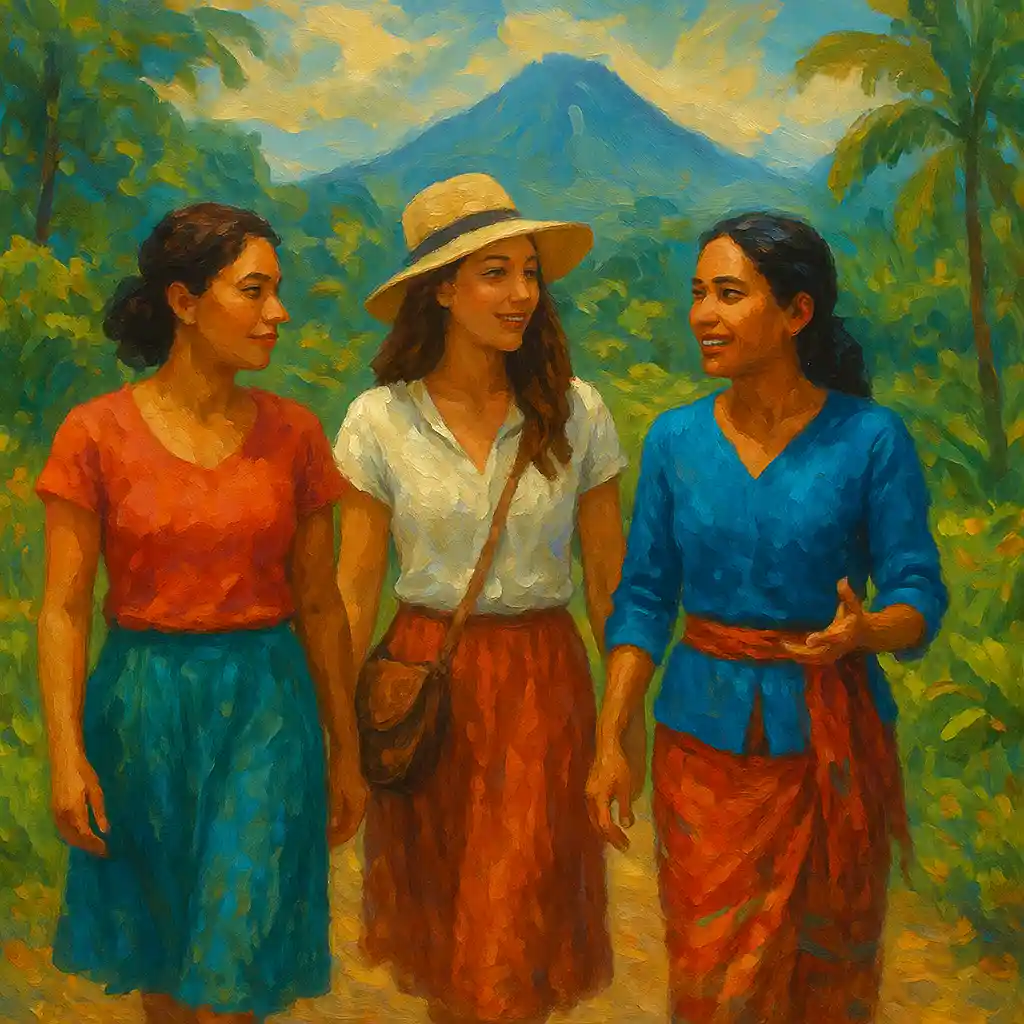
Cultural immersion guides in Costa Rica can turn a nice trip into a deeply meaningful journey—especially for women who want more than beaches and photo stops. If you’re in the 45–65 age range, you may be looking for travel that feels safe, enriching, and aligned with your values. Costa Rica is a wonderful place for that. With the right cultural immersion guides in Costa Rica, you can connect with local communities, learn traditions firsthand, support sustainability, and return home feeling changed in a quiet but powerful way.
You probably know the feeling: excitement mixed with nerves when you step into a new culture. That’s normal. One thing that helps is to travel with intention. Before you go, set aside time for self-reflection and journaling. Ask yourself what you hope to learn, what you want to feel, and what values you want to follow during the trip. This simple step can help you choose experiences that truly fit you—and it helps you get more from every conversation, meal, and shared moment.
The magic of cultural immersion is often found in small details: a shared laugh with a vendor, the scent of tropical flowers, a home-cooked meal, or a story told slowly over coffee.
Why Cultural Immersion Guides in Costa Rica Are a Great Choice for Women
Costa Rica is known for its natural beauty, but it also offers something just as special: real opportunities to connect with people and daily life. For women travelers—especially those traveling solo or in small groups—cultural immersion guides in Costa Rica can create a safe, supportive structure while still leaving room for discovery.
A safe and welcoming reputation for female travelers
Safety matters. Many women choose Costa Rica because it has a strong reputation for being welcoming to visitors, including women traveling alone. A good guide adds another layer of comfort: someone who understands local norms, helps you navigate unfamiliar situations, and supports you if you feel overwhelmed or unsure.
One thing that helps is working with guides who understand the needs and interests of women travelers. Some cultural immersion guides in Costa Rica are women-led or have experience designing programs for women in midlife and beyond, which can make the experience feel more relaxed and respectful.
Rich cultural diversity and a strong sustainability mindset
Costa Rica is shaped by many cultural influences, including Indigenous communities and Afro-Caribbean heritage. Many travelers also appreciate the country’s strong connection to sustainability and responsible tourism. With cultural immersion guides in Costa Rica who focus on ethical travel, you can learn while also supporting local communities and eco-friendly practices.
Immersive travel that supports personal growth
Cultural immersion is not only about learning facts. It’s about learning through experience. Many women find that immersive travel supports personal growth because it invites you to slow down, reflect, and try new ways of being in the world.
Try this: each morning, write one short intention for the day. Keep it simple, such as “Be curious,” “Listen more than I speak,” or “Say yes to one new experience.” This small practice can help you stay present and open.
What Cultural Immersion Guides in Costa Rica Really Mean (and Why It’s Different From Tourism)
It helps to be clear about what “cultural immersion” is—and what it isn’t. Cultural immersion guides in Costa Rica are not just tour leaders. At their best, they are bridges between you and the local culture.
Definition and benefits of cultural immersion
Cultural immersion means actively engaging with a culture in a respectful way. It can include language practice, cooking classes, artisan workshops, homestays, community visits, volunteering, and meaningful conversations with locals.
The benefits often include:
- Personal growth through new experiences and gentle challenges
- Confidence from navigating unfamiliar places
- Empathy and understanding from real conversations and shared time
- Deeper memories because you experienced daily life, not just highlights
How cultural immersion differs from traditional tourism
Traditional tourism can be enjoyable, but it often stays on the surface. You observe more than you participate. Cultural immersion is different: you join in. You learn by doing. You meet people and hear their stories. You may visit fewer “must-see” spots, but you gain something more lasting.
One thing that helps is shifting your goal from “seeing everything” to “feeling connected.” Cultural immersion guides in Costa Rica can support this mindset shift by building time into the itinerary for conversation, reflection, and community experiences.
How to approach immersion with openness and respect
Respect is the foundation of cultural immersion. Bring curiosity, but also humility. If you feel uncomfortable at times, it does not always mean something is wrong. Sometimes discomfort is a sign that you are learning.
Try this simple daily check-in:
- Pause and take one slow breath in and out.
- Notice what you’re feeling (excitement, confusion, tiredness, joy).
- Choose a respectful next step (ask a question, listen, observe, or take a break).
How to Choose Cultural Immersion Guides in Costa Rica (What to Look For)
Not all programs are the same. Choosing the right cultural immersion guides in Costa Rica can shape your entire experience. The best fit depends on your interests, comfort level, values, and travel style.
Start with reputable programs and clear cultural focus
Look for programs that describe specific cultural activities, not just general sightseeing. Strong cultural immersion guides in Costa Rica usually include hands-on learning and real community connection, such as cooking with locals, artisan workshops, or language exchange.
Try this: before booking, write down your top three “must-feel” goals (for example: “I want to feel connected,” “I want to learn local food traditions,” “I want to support women-led businesses”). Then compare programs based on those goals.
Choose guides aligned with sustainability, social responsibility, and cultural respect
If sustainability matters to you, ask direct questions. Values-based travel is easier when your guides share your priorities.
Consider asking:
- How do you support local communities through this program?
- Do you partner with local businesses and artisans?
- How do you approach cultural sensitivity and respectful behavior?
- What steps do you take to reduce waste and environmental impact?
Cultural immersion guides in Costa Rica who take these questions seriously will usually answer clearly and with detail.
Read reviews and testimonials—especially from similar travelers
Reviews can reveal what a program feels like in real life: group dynamics, safety, pacing, and the guide’s style. If possible, look for feedback from women in a similar age range, because their priorities may match yours.
When reading testimonials, pay attention to details such as:
- How supported travelers felt
- Whether activities felt authentic or staged
- How the guide handled challenges
- Whether travelers formed meaningful connections
Top Cultural Immersion Guides in Costa Rica: What to Expect From Great Programs
Many travelers look for a list of “best” names, but the draft you’re reading does not include verified company details. To preserve accuracy, this section focuses on what top-quality cultural immersion guides in Costa Rica typically offer—so you can recognize a strong program when you see it.
Guide style #1: Sustainability-first cultural exchange programs
These cultural immersion guides in Costa Rica focus on eco-friendly choices and community partnerships. They may include visits to local farms, workshops with artisans, and experiences that highlight cultural traditions without harming the environment.
Programs often designed for women ages 45–65
Many sustainability-first programs offer experiences that feel supportive and restorative, such as:
- Mindful meditation retreats in natural settings, with time for reflection
- Yoga and wellness workshops that support physical comfort and stress relief
- Culinary adventures with local cooking classes and food traditions
- Empowerment-style discussions focused on personal growth and life transitions
These programs often move at a comfortable pace and include downtime, which can be important for travelers who want depth without rushing.
What testimonials often highlight
When women describe positive experiences with sustainability-first cultural immersion guides in Costa Rica, they often mention:
- Feeling safe and cared for
- Learning directly from locals, not just from books
- Feeling inspired by the focus on sustainability
- Returning home with a stronger sense of purpose
Guide style #2: Social responsibility and community connection itineraries
Some cultural immersion guides in Costa Rica are built around social responsibility. These programs often include community projects, women-led workshops, and direct support for local families and small businesses.
A typical itinerary feel for women travelers
A common day might include a mix of nature, culture, and reflection. For example:
- Morning mindfulness, journaling, or gentle movement
- A guided walk or community visit with cultural context
- A hands-on cooking class using local ingredients
- Time to meet artisans or participate in a workshop
- Evening reflection, conversation, or quiet rest
Try this: after dinner, write down one thing you learned about Costa Rican life, and one thing you learned about yourself. This is a simple way to make the experience stick.
Pricing and accommodations: what to look for
The draft mentions choosing eco-friendly lodges or homestays, and that is often a great fit for cultural immersion. When comparing programs, look for clear information about what is included (meals, activities, transport) and what is not. Many travelers also prefer accommodations that use local food and local staff, which can make your trip feel more connected and more responsible.
Preparing for Cultural Immersion Guides in Costa Rica: Mindset, Packing, and Intentions
Preparation is not just logistics. It’s also emotional and mental readiness. Cultural immersion guides in Costa Rica can support you, but you will get more from the experience if you arrive with a grounded mindset.
Set intentions before you leave
Try journaling for 10 minutes with one of these prompts:
- What do I hope to gain from this journey?
- What values do I want to practice while traveling?
- How do I want to show respect to the people I meet?
- What do I want to bring home besides souvenirs?
One thing that helps is keeping your intention simple. You don’t need a perfect plan. You just need a clear direction.
Packing essentials for a cultural immersion trip in Costa Rica
Packing for immersion is different from packing for a resort vacation. Comfort matters, but so does respect for local settings.
- Comfortable, breathable clothing for warm and humid weather
- Respectful attire (especially for rural areas or religious sites)
- Reusable water bottle to reduce plastic waste
- Sun protection (hat, sunglasses, sunscreen)
- Insect repellent for outdoor time
- Spanish phrasebook or language app to support connection
- Journal and pen for reflection and memory keeping
- Reusable bag for markets and daily errands
Packing mindset shift: pack for connection, not for perfection. Leave space—for new experiences, new habits, and items you may buy directly from local artisans.
Cultural norms and etiquette for women travelers
Being respectful does not mean being anxious. It means being thoughtful. In many settings, modest clothing can help you feel comfortable and blend in, especially outside tourist areas. Also, greetings may be warmer than what you’re used to, such as a cheek kiss or a light hug in social situations.
If you’re unsure, follow your guide’s lead. Cultural immersion guides in Costa Rica can help you understand what is appropriate in different regions and communities.
Safety tips for traveling alone or in a small group
Even in welcoming destinations, basic safety habits matter.
- Trust your instincts if something feels off.
- Share your itinerary with someone at home and check in regularly.
- Stay aware of your surroundings, especially at night.
- Research local customs so you feel more confident and prepared.
- Carry a simple safety item like a whistle or personal alarm if it helps you feel secure.
Cultural immersion guides in Costa Rica can also help by choosing safe meeting points, arranging transport, and offering local advice you would not easily find on your own.
Immersive Cultural Activities to Ask Cultural Immersion Guides in Costa Rica About
One of the best parts of working with cultural immersion guides in Costa Rica is access to experiences that feel authentic and personal. Below are activities mentioned in the draft that can deepen your connection to the country.
Traditional cooking classes and food tours
Food is culture. Cooking classes and food tours can teach you more than recipes—they can teach you history, family traditions, and the meaning behind everyday meals. Many women find that cooking with locals feels warm and welcoming, and it creates natural conversation.
Try this: after a cooking class, write down the flavors you remember and the story behind one ingredient. This helps you bring the experience home in a meaningful way.
Local artisans and traditional crafts
Learning from artisans can be a powerful way to connect with cultural heritage. When you watch someone create something by hand, you also learn patience, pride, and tradition. Cultural immersion guides in Costa Rica can help you find ethical workshops where artisans are respected and paid fairly.
One thing that helps: ask questions about the process, the materials, and the meaning. When you buy directly from artisans, your purchase becomes more than a souvenir—it becomes support.
Cultural festivals and events
Festivals and events can be joyful, energetic, and deeply local. They may include music, dancing, food, crafts, and community celebrations. If your trip timing allows, ask your cultural immersion guides in Costa Rica what events are happening during your visit.
Try this: set one intention before you go to a festival—like “I will try one new food,” or “I will learn the meaning of one tradition.” Small intentions can turn a busy event into a personal memory.
Connecting With Local Communities Through Cultural Immersion Guides in Costa Rica
Connection is at the heart of immersion. Many women find that the moments that stay with them are not the big attractions, but the quiet conversations and shared daily life.
Volunteering opportunities to give back
Volunteering can be a meaningful way to support the places you visit. If you choose to volunteer, look for opportunities that match your skills and values, and that are guided by local community needs. Cultural immersion guides in Costa Rica may be able to connect you with community projects that are respectful and helpful.
Try this: before volunteering, journal on the prompt “How can I be helpful without taking over?” This keeps your mindset grounded and respectful.
Homestay experiences for deeper immersion
Homestays can offer a window into everyday Costa Rican life. Sharing meals, learning routines, and hearing family stories can help you feel less like a visitor and more like a guest. Many women also find homestays comforting because they offer structure and human connection.
If you choose a homestay, bring an open mind. You do not need to “perform” or be perfect. You just need to be present, polite, and willing to learn.
Language exchange programs with Costa Rican women
Language exchange can be both practical and personal. It helps you learn Spanish in a real-world way, and it can create genuine friendships. Cultural immersion guides in Costa Rica may know safe, organized ways to join language exchanges, especially those that connect women with women.
Try this: set a simple goal like learning five useful phrases you can use daily. Each small step builds confidence.
Sustainability and Responsible Travel With Cultural Immersion Guides in Costa Rica
Sustainability is not a trend in Costa Rica—it’s a key part of how many travelers choose to explore the country. If you care about environmental impact and ethical choices, cultural immersion guides in Costa Rica can help you travel in a way that matches your values.
Why sustainable tourism matters in Costa Rica
Supporting sustainable tourism helps protect natural landscapes and supports local communities. When you choose responsible experiences, you help preserve what makes Costa Rica special for future generations.
One thing that helps is choosing accommodations and activities that reflect eco-friendly practices and community benefit. Cultural immersion guides in Costa Rica who prioritize sustainability can help you find options that feel good and do good.
How to reduce environmental impact during your trip
- Pack reusable items like water bottles and shopping bags.
- Reduce plastic use by skipping single-use straws and utensils.
- Support local businesses to reduce long supply chains and strengthen communities.
- Respect wildlife and nature by observing from a distance and staying on trails.
- Choose responsible operators who respect culture and environment.
Try this: each day, choose one “low-impact” action (refill your bottle, buy local, refuse plastic). Small actions add up.
Supporting local businesses and artisans
Buying local can be one of the simplest ways to travel responsibly. Visit markets, eat at locally owned restaurants, and purchase handmade crafts directly from artisans when possible. Cultural immersion guides in Costa Rica often know where to find authentic, community-based businesses that welcome visitors respectfully.
Values-based travel is not about doing everything perfectly. It’s about making thoughtful choices, again and again, in small ways.
Overcoming Challenges: Culture Shock, Homesickness, and Growth
Even beautiful trips can come with hard moments. Cultural immersion can bring up emotions because you are learning, adapting, and changing your routine. Cultural immersion guides in Costa Rica can support you, but it also helps to have personal tools.
Dealing with culture shock and homesickness
If you feel homesick, it does not mean you made a bad choice. It means you are human. When you feel overwhelmed, return to simple grounding habits.
- Breathing cue: inhale slowly for a count of four, exhale for a count of six.
- Journal prompt: “What feels hard right now, and what feels meaningful?”
- Connection tip: join a shared activity (cooking, crafts, a walk) instead of isolating.
One thing that helps is remembering that discomfort often passes when you allow yourself time to adjust.
Stepping out of your comfort zone in gentle, doable ways
You do not need to be fearless to grow. You just need to take small steps. Try micro-challenges like ordering in Spanish, trying one new dish, or starting one conversation.
Try this: choose one small “yes” each day. It can be as simple as tasting a fruit you’ve never tried or joining a dance lesson even if you feel shy. Cultural immersion guides in Costa Rica can help by creating supportive spaces where trying is more important than being perfect.
Reflecting on personal growth during and after the journey
Reflection helps turn experience into learning. Without reflection, even powerful moments can fade too quickly.
Try a simple end-of-day ritual:
- Write down one moment that surprised you.
- Write down one moment that challenged you.
- Write down one lesson you want to carry home.
Many women find that cultural immersion guides in Costa Rica create the space for this kind of reflection by balancing activity with rest and meaningful conversation.
Real-Life Experiences: What Women Often Share About Cultural Immersion Guides in Costa Rica
The draft includes several themes that often appear in women’s stories about immersive travel in Costa Rica. While individual experiences vary, these are common takeaways women describe after traveling with cultural immersion guides in Costa Rica.
What women say stays with them
- Connecting with local artisans and understanding the stories behind handmade crafts
- Finding calm through daily wellness practices like yoga, meditation, or mindful walking
- Feeling supported by women-centered group energy and shared experiences
- Learning through food, language, and everyday routines—not just tours
Why cultural immersion can be especially powerful in midlife and beyond
Many women in the 45–65 age range travel with a deeper desire for meaning. Cultural immersion can match that desire because it invites you to reflect, simplify, and reconnect—with yourself and with others.
One thing that helps is traveling in a way that honors your pace. The right cultural immersion guides in Costa Rica understand that depth matters more than speed.
Conclusion: Let Cultural Immersion Guides in Costa Rica Support Your Next Chapter
Costa Rica offers a rare mix of warmth, cultural richness, and opportunities for personal growth. With thoughtful planning and the right cultural immersion guides in Costa Rica, your trip can become more than a getaway—it can become a turning point. Take a deep breath, pack with intention, and stay open to the small moments that create big change.
If you’re planning your next journey, explore more posts in our travel section to help you choose experiences that match your values and your sense of adventure.