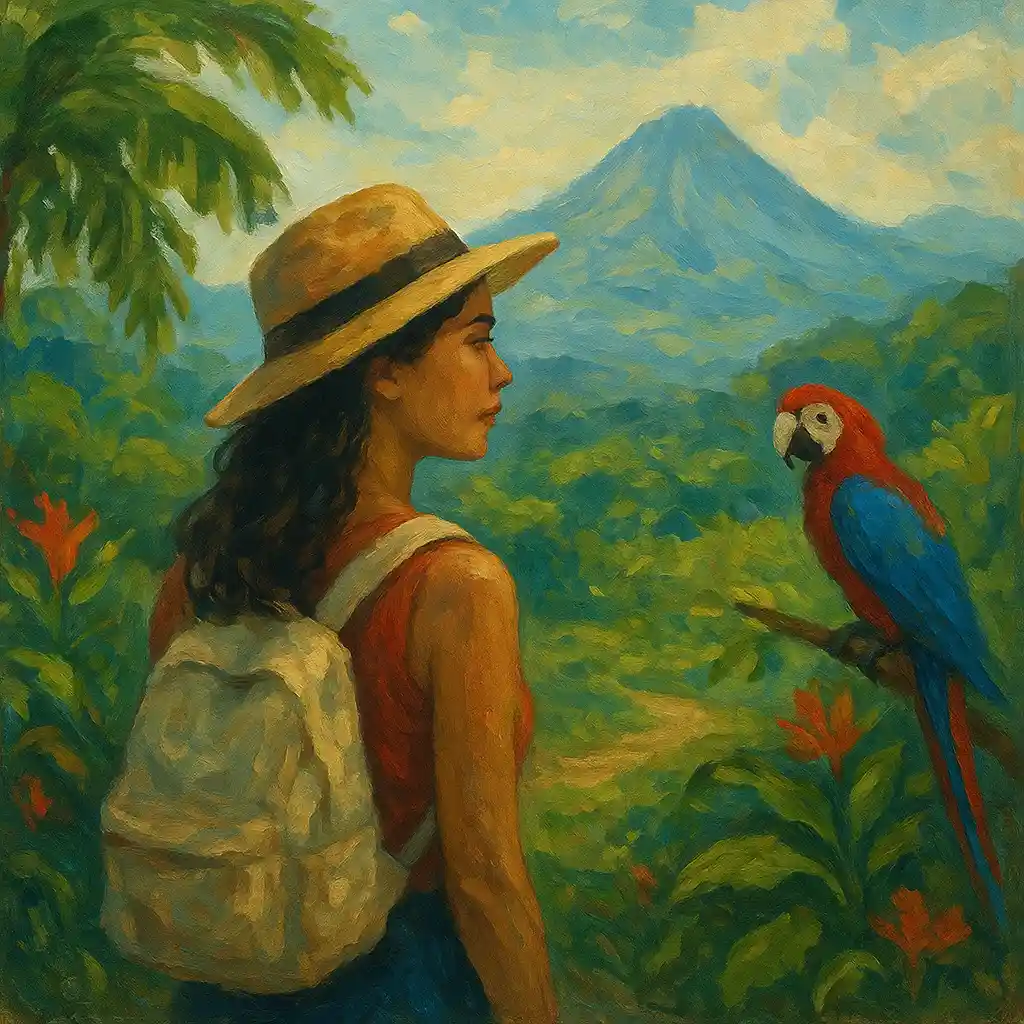
Cultural immersion in Costa Rica can turn a good trip into a life-changing one—especially for women traveling solo or with friends. From the first “hola” at a local market to the quiet moments of reflection in a rainforest, cultural immersion in Costa Rica is about more than sightseeing. It’s about understanding, respect, and real connection. When you approach the country with curiosity, you’ll notice how quickly small interactions become meaningful memories.
Cultural immersion in Costa Rica isn’t about doing more—it’s about being more present, more respectful, and more open to learning.
This guide brings together practical ways to connect with Costa Rican culture while traveling responsibly and safely. You’ll find tips on customs, language, food, ethical tourism, and personal growth—written for women who want authentic experiences and a deeper sense of place.
Why Cultural Immersion in Costa Rica Matters for Women Travelers
It’s easy to visit Costa Rica and only see the surface: beaches, tours, and photo stops. Cultural immersion in Costa Rica helps you go deeper. It can make you feel more confident navigating new environments, more connected to the people you meet, and more grounded in your own values.
Many women travelers also find that cultural immersion in Costa Rica supports personal growth. When you try new foods, learn basic Spanish, or join a community activity, you practice flexibility and courage. These are skills that stay with you long after you return home.
- Better connections: Locals often respond warmly when they see genuine respect and effort.
- More meaningful memories: Conversations and shared experiences often stand out more than attractions.
- Personal growth: New cultures can challenge your habits and expand your perspective.
- More responsible travel: Immersion often leads to more thoughtful choices around sustainability and ethics.
Understanding Costa Rican Culture for Cultural Immersion in Costa Rica
Cultural immersion in Costa Rica starts with basic understanding. You don’t need to know everything, but a little context helps you interpret what you see and avoid misunderstandings. Costa Rica is known for its natural beauty, but its culture is equally rich—shaped by history, diverse communities, and a strong national identity.
A quick look at history, geography, and demographics
Costa Rica is a Central American country known for rainforests, beaches, and a strong focus on conservation and eco-tourism. A key historical fact often shared with pride is that Costa Rica abolished its army in 1948 and focused instead on areas like education and healthcare. This decision helped shape the country’s peaceful image and long-term priorities.
The population reflects a mix of backgrounds, including indigenous groups, Europeans, Africans, and more. This blend influences traditions, food, language, and local identity across different regions.
Key cultural values and norms
For cultural immersion in Costa Rica, it helps to understand what many locals value in daily life. Family and community are important, and so is care for the environment. Many travelers also notice the country’s relaxed rhythm and friendly social style.
One of the most well-known cultural ideas is “Pura Vida”—often translated as “pure life.” It’s used as a greeting, a goodbye, and a general outlook. It reflects a positive, laid-back attitude that many visitors find refreshing.
Traditional customs and celebrations
If you want cultural immersion in Costa Rica, local celebrations can be a powerful entry point. The draft highlights festivals such as the Día de los Diablitos and Independence Day parades. These events can include music, dancing, crafts, and community gatherings that reveal how history and identity are kept alive.
When you attend a celebration, remember: you’re not just watching a performance. You’re stepping into something meaningful for the community. A respectful attitude matters as much as your curiosity.
Sustainable Travel and Cultural Immersion in Costa Rica
Cultural immersion in Costa Rica goes hand in hand with sustainability. Costa Rica is widely associated with eco-tourism and conservation, and many travelers come specifically because they want nature-focused experiences. Sustainable choices help protect the landscapes and communities that make the country special.
Why sustainable tourism matters here
Sustainable tourism supports local livelihoods and helps reduce harm to ecosystems. It also aligns with the values many Costa Ricans hold around environmental conservation. If you want cultural immersion in Costa Rica, sustainability is not an “extra.” It’s part of the culture of travel in many regions of the country.
Simple ways to reduce your environmental impact
- Carry a reusable water bottle and refill when possible to reduce single-use plastics.
- Choose eco-friendly accommodations that use recycling programs or energy-efficient systems.
- Stay on marked trails when hiking to protect plants and wildlife habitats.
- Pack reusable items like shopping bags and eco-friendly toiletries.
These actions may feel small, but they add up. They also help you feel more aligned with the country you’re visiting, which strengthens cultural immersion in Costa Rica.
Supporting local communities and businesses
One of the most direct ways to practice cultural immersion in Costa Rica is to spend your money thoughtfully. Local markets, family-run “sodas” (small restaurants), and artisans can offer both authentic experiences and meaningful economic support.
- Shop at local markets and buy handmade crafts when appropriate.
- Choose local guides who know the area and its stories.
- Look for women-owned businesses and community initiatives when possible.
Ethical Tourism and Cultural Immersion in Costa Rica
Cultural immersion in Costa Rica should be respectful and ethical. Ethical tourism means your travel choices support well-being—of people, communities, and wildlife. It’s about learning without taking, and participating without harming.
Ethical wildlife tourism
Costa Rica is famous for wildlife, and many travelers want close encounters. Ethical wildlife tourism focuses on animal welfare and conservation. The draft emphasizes important basics: keep a safe distance, do not feed animals, and do not touch wildlife. Observing animals in their natural environment is safer for you and healthier for them.
Before booking a tour, do research and choose operators that prioritize conservation and local benefit. Cultural immersion in Costa Rica includes how you treat the natural world that locals work hard to protect.
Respecting indigenous communities and traditions
Visiting indigenous communities can be deeply meaningful, but it requires sensitivity. Cultural immersion in Costa Rica works best when you treat these visits as learning opportunities, not “attractions.”
- Educate yourself about history, customs, and beliefs before visiting.
- Engage mindfully by listening more than speaking and asking respectful questions.
- Support local artisans by purchasing handmade crafts when offered.
- Practice gratitude and reflect on what you learned.
Volunteering opportunities
Volunteering can be a powerful form of cultural immersion in Costa Rica. The draft mentions options such as wildlife conservation projects and community development initiatives. Before you volunteer, reflect on your intentions and what meaningful contribution looks like. Volunteering is not only about helping—it’s also about learning and exchanging culture with humility.
Try journaling before you go:
- What do I hope to learn from this experience?
- How can I contribute respectfully and realistically?
- How will I stay open-minded when things feel unfamiliar?
Cultural Respect and Sensitivity: Cultural Immersion in Costa Rica Done Right
Cultural immersion in Costa Rica becomes richer when you focus on respect. Respect is not about being perfect—it’s about being willing to learn. When you make mistakes (and most travelers do), responding with humility matters more than trying to look knowledgeable.
Gender roles and expectations
Understanding local social dynamics can help women travelers feel more confident. The draft notes that traditional gender roles are still prevalent in Costa Rica in many contexts, with women often expected to manage domestic responsibilities and men often seen as primary breadwinners. Of course, people and communities vary, but being aware of these expectations can help you interpret interactions more clearly.
If you feel comfortable, one of the best ways to learn is through conversation. Listening to Costa Rican women’s experiences can add depth to your cultural immersion in Costa Rica and help you connect in a human, respectful way.
Dress code and cultural etiquette for women
Costa Rica is often casual, especially in beach areas. Still, cultural immersion in Costa Rica includes dressing appropriately for different settings.
- Casual and comfortable: Breathable fabrics and comfortable shoes are practical for heat and walking.
- Modesty in certain places: When visiting religious sites or rural communities, consider covering shoulders and knees.
- Support local style: Buying locally made accessories can support artisans and add meaning to your wardrobe.
A simple item like a lightweight scarf or shawl is useful for both comfort and respect.
Language tips and common Spanish phrases
You don’t need to be fluent for cultural immersion in Costa Rica. A few phrases can open doors and show respect.
- Hola (Hello)
- Gracias (Thank you)
- Por favor (Please)
- Pura vida (A friendly phrase used in many situations)
- ¿Dónde está la playa? (Where is the beach?)
- ¿Cuánto cuesta este recuerdo? (How much does this souvenir cost?)
Locals often appreciate the effort, even when your pronunciation is not perfect.
Personal Growth Through Cultural Immersion in Costa Rica
Cultural immersion in Costa Rica can be a personal journey as much as a travel experience. When you step into a new culture, you often notice your own habits more clearly—what you assume, what makes you uncomfortable, what makes you feel alive.
Stepping out of your comfort zone
Growth often happens when things feel unfamiliar. Trying local foods, joining a dance class, attending a community event, or simply starting conversations can stretch your confidence in a healthy way. Cultural immersion in Costa Rica gives you many chances to practice this in small, manageable steps.
Overcoming cultural barriers
Cultural barriers are normal. Sometimes they come from language differences. Sometimes they come from different social cues, body language, or communication styles. Active listening helps. Watching how locals interact helps too.
When you feel unsure, try a quick grounding technique:
- Take a slow breath in.
- Exhale fully.
- Remind yourself: “I’m here to learn, not to perform.”
This mindset supports cultural immersion in Costa Rica without pressure to “get it right” all the time.
Reflecting on self-discovery during your trip
Reflection turns experiences into lessons. Many women find that cultural immersion in Costa Rica brings up powerful questions about independence, values, and identity.
Try a short daily journal practice:
- What cultural moment stayed with me today?
- What did I learn about myself in this situation?
- Where did I feel connection—through food, conversation, nature, or community?
Authentic Cultural Immersion in Costa Rica Experiences to Add to Your Itinerary
If you want cultural immersion in Costa Rica, plan for experiences that put you in real contact with local life. You don’t need a packed schedule. You need intentional choices.
Traditional cooking classes and food tours
Food is one of the most welcoming ways into a culture. Cooking classes and food tours can teach you about ingredients, family traditions, and daily life. They also support local cooks, farmers, and small businesses.
Bring a small notebook and write down recipes, new words, and stories you hear. This is cultural immersion in Costa Rica you can take home with you.
Local festivals and cultural events
Festivals can be joyful, loud, and unforgettable. They can also be deeply meaningful to the community. If you attend, go with humility. Ask permission before taking close-up photos of people, especially in more traditional settings.
Before you arrive, set a simple intention: “I will listen, observe, and appreciate.” That mindset helps cultural immersion in Costa Rica feel respectful and real.
Visiting indigenous communities
As mentioned earlier, visiting indigenous communities can be one of the most transformative forms of cultural immersion in Costa Rica. Research the community ahead of time, learn what is appropriate, and approach the visit as a guest. Be present. Be respectful. Be willing to learn without expectations.
Safety Tips That Support Cultural Immersion in Costa Rica for Women
Cultural immersion in Costa Rica works best when you feel safe and steady. Safety is not separate from immersion—it supports it. When you’re prepared, you can relax and be more open to connection.
Solo travel safety basics
- Research local customs so you can blend in and avoid unwanted attention.
- Trust your instincts and leave situations that feel off.
- Keep copies of important documents separate from originals.
- Stay aware of your surroundings, especially in crowded or unfamiliar areas.
For some women, a small routine helps: each morning, write down where you plan to go and how you want to feel during the day. This supports both safety and cultural immersion in Costa Rica by keeping you intentional.
Avoiding common scams and tourist traps
Like many popular destinations, some areas may have scams or overpriced tourist traps. The best protection is awareness. Research common issues before you go, avoid rushing into deals, and don’t be afraid to say no.
If something feels too pushy or confusing, step back. Cultural immersion in Costa Rica should feel inviting, not pressured.
Emergency contacts and resources
Before your trip, prepare a list of emergency contacts. Include local authorities, embassy numbers, and a trusted contact at home. Keep both a digital and physical copy. Also, learn a few basic Spanish phrases that help in urgent situations.
Packing Essentials for Cultural Immersion in Costa Rica
Packing for cultural immersion in Costa Rica is not just about what fits in your suitcase. It’s also about what supports your comfort, safety, and respect for local customs. A thoughtful packing list can help you feel ready for different environments—from cities to rural areas to beaches.
Clothing and accessories for cultural activities
- Comfortable walking shoes for markets, towns, and nature walks.
- Lightweight layers for changing weather and air-conditioned spaces.
- A scarf or shawl for religious sites or more conservative areas.
- Locally made accessories (purchased in Costa Rica) to support artisans and carry a story home.
Eco-friendly travel products
Eco-friendly items support sustainable travel and fit naturally with cultural immersion in Costa Rica, especially in a country known for eco-tourism values.
- Reusable water bottle
- Reusable tote bag for markets
- Bamboo utensils (optional, but helpful)
- Biodegradable or eco-friendly toiletries
Must-have items for safety and comfort
- Sunscreen for strong sun exposure
- Bug spray for mosquitoes in many areas
- Quick-dry towel for beaches and day trips
- Secure wallet or money belt for busy areas
- Travel insurance details stored safely
Cultural Immersion in Costa Rica Through Food and Drink
Food is culture you can taste. Cultural immersion in Costa Rica becomes more vivid when you explore everyday meals, local ingredients, and the stories behind them. Markets, sodas, coffee tours, and shared meals can teach you as much as museums.
Traditional dishes to try
The draft highlights several classic foods and drinks that many travelers seek out:
- Gallo pinto (often enjoyed at breakfast)
- Casado (a traditional plate with rice, beans, plantains, salad, and a protein)
- Ceviche (a refreshing dish made with marinated raw fish and citrus)
- Guaro (a local sugarcane liquor)
Trying these foods can be a simple but powerful form of cultural immersion in Costa Rica—especially when you ask locals what they recommend and how they eat it at home.
Dining etiquette and customs
In Costa Rica, it’s common to greet people before starting a meal, especially in smaller, community settings. Taking a moment to acknowledge others at the table shows warmth and respect.
Also, consider eating at local sodas. These small restaurants often serve traditional dishes and offer a more everyday view of Costa Rican life.
Coffee and chocolate tours
Trying local beverages is more than a treat—it can be a cultural lesson. Coffee and chocolate tours can teach you about farming practices, sustainability, and the work behind each cup or bite. If you enjoy sensory experiences, this is cultural immersion in Costa Rica at its best: taste, history, people, and place all in one.
To make it more meaningful, try mindful tasting: slow down, notice aromas and flavors, and write a few lines in your journal about what you learned.
Connecting with Local Women: Cultural Immersion in Costa Rica With Real Community
Some of the most memorable travel moments come from conversations, not attractions. Cultural immersion in Costa Rica can deepen when you connect with Costa Rican women—listening to their stories, learning from their perspectives, and sharing your own experiences respectfully.
Where connection can happen naturally
- Markets and artisan fairs
- Cooking classes and workshops
- Community events and festivals
- Small cafes and neighborhood restaurants
A simple approach works well: ask polite questions, listen actively, and avoid assumptions. Cultural immersion in Costa Rica is built on mutual respect.
Women-led tours and workshops
Women-led tours and workshops can be especially empowering. They often offer a different perspective on local culture and can create a supportive environment for women travelers. These experiences can also support local women economically and socially, which strengthens responsible cultural immersion in Costa Rica.
Exchanging cultural experiences
Cultural exchange is a two-way street. If it feels appropriate, share something small from your own culture—your traditions, a story, or even a simple token of appreciation. The goal is not to “teach,” but to connect. When both sides feel respected, cultural immersion in Costa Rica becomes something you carry in your heart, not just your photos.
Documenting Cultural Immersion in Costa Rica: Journals, Photos, and Meaningful Memories
Documenting your trip helps you remember details and reflect on growth. Cultural immersion in Costa Rica can move quickly—new places, new faces, new feelings. A simple documentation habit can help you hold onto what matters.
Tips for capturing meaningful moments
- Put your phone down sometimes and fully experience the moment first.
- Take a few deep breaths and notice sounds, smells, and textures.
- Photograph details (a market stall, a plate of food, a handmade craft) not only big landmarks.
Keeping a travel journal or blog
A journal can be a private space to process what you’re learning. It can also become a treasured record of your cultural immersion in Costa Rica. Even five minutes a day is enough.
Helpful journal prompts:
- What surprised me today?
- Where did I step out of my comfort zone?
- What cultural value did I notice in action?
- How did I show respect today?
Sharing your journey to inspire and educate
If you choose to share your cultural immersion in Costa Rica with others, do it thoughtfully. Focus on what you learned and how the experience changed you. Share stories that highlight respect, connection, and curiosity—not stereotypes. You can also host a simple “travel night” at home: cook a dish you learned, share photos, and talk about the cultural moments that mattered most.
Conclusion: Bringing Cultural Immersion in Costa Rica Home With You
Cultural immersion in Costa Rica is a blend of respect, curiosity, and mindful choices—how you speak, how you listen, how you spend, and how you show up as a guest. When you travel this way, the trip becomes more than a break from routine. It becomes a source of confidence, empathy, and personal growth.
If you’re planning your itinerary now, choose one or two immersion experiences—like a cooking class, a festival, or a community visit—and build your days around them. When you’re ready, explore more travel guides on our site to keep planning a Costa Rica journey that feels authentic, safe, and deeply meaningful.