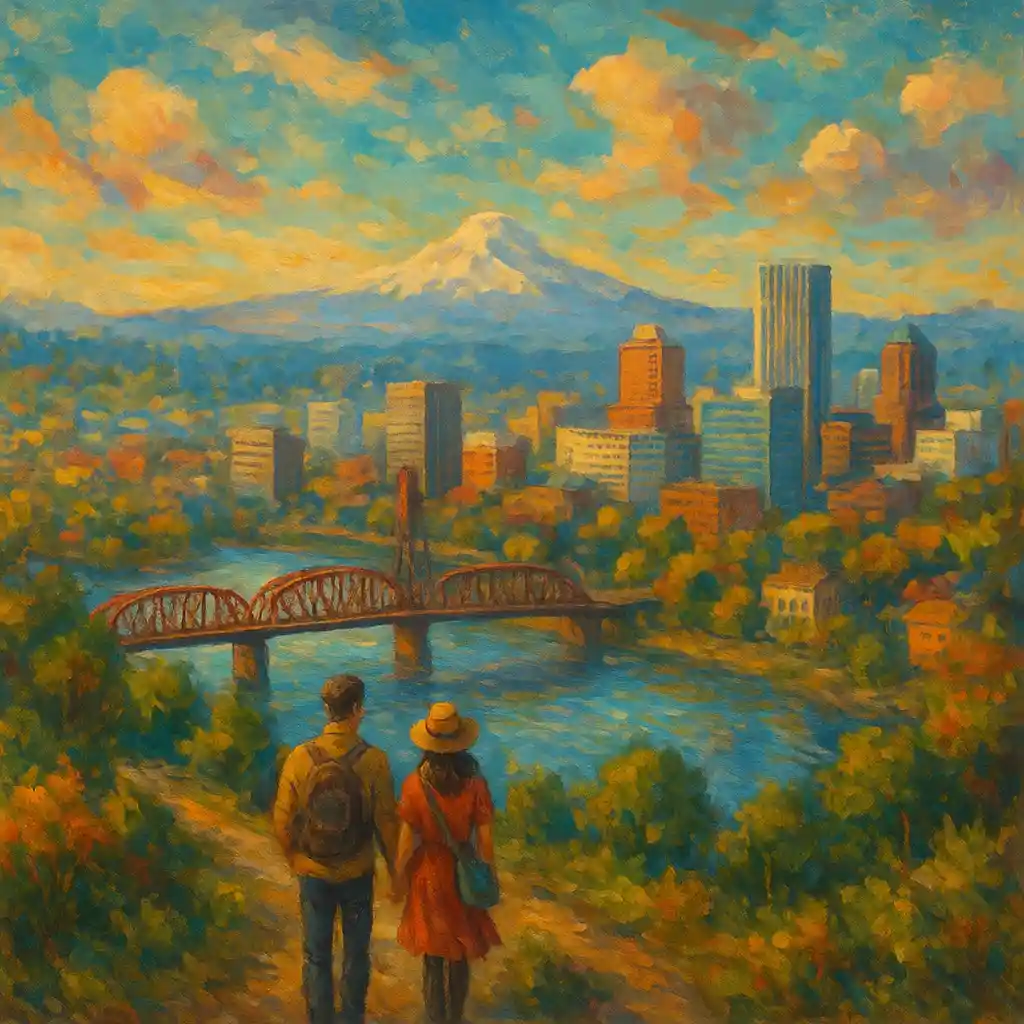
Portland is a city that rewards slow travel. It has famous sights, but its real magic often lives in smaller places, quiet corners, and daily local habits. Travel here can feel creative, green, and community-focused at the same time. This blog entry is designed for culturally curious women, especially ages 45–65, who enjoy art, history, food, nature, and meaningful connection. The goal is simple: find hidden gems, travel mindfully, and leave Portland better than you found it.
Mindful travel does not mean doing less. It means choosing well. It means paying attention, supporting local people, reducing waste, and staying open to learning. Portland makes this style of travel easy because the city already values sustainability, social responsibility, and independent culture.
Below is a practical you can follow. It includes neighborhoods, museums, markets, parks, food experiences, day trips, and safety tips for solo travel. It also includes small wellness practices, like journaling and breathing cues, that help your trip feel calm and memorable.
1) Portland’s culture in one page: what matters here
Portland is known for strong opinions and strong values, often in a good way. The city has a reputation for:
- Sustainability and low-waste living Compost bins, reusable cups, refill stations, and bike culture are normal parts of life. Many restaurants and shops make real effort to reduce waste.
- Independent art and local creativity Portland supports local makers, galleries, street art, bookstores, and small music venues. Art is not limited to museums. It lives on walls, in parks, and in neighborhood events.
- Food culture with local ingredients The region has excellent farms, orchards, vineyards, and fisheries. Many menus change with the season. Food carts also offer affordable variety with global flavors.
- Community engagement Volunteer projects, mutual aid, neighborhood clean-ups, and local markets are common. People like to support local businesses and local causes.
- Diverse histories that deserve respectful attention Portland’s story includes Indigenous history, migration, labor movements, racial injustice, and ongoing activism. Learning this history helps you see the city with clearer eyes.
Mindset note for Hidden Gems: Travel Mindfully A mindful traveler looks for depth, not only highlights. A small museum, a community market, a local-led walking tour, or a conversation with an artist can be more valuable than rushing through a checklist.
2) Plan well and pack light, with values in mind
Best times to visit
Portland is enjoyable in many seasons, but each one offers a different style of travel.
- Late spring and summer, May to September: festivals, outdoor dining, gardens, long daylight hours.
- Fall, September to November: cooler air, beautiful color in parks, calmer museums and restaurants.
- Winter, December to February: cozy cafés, bookshops, theater nights, fewer crowds.
- Early spring, March to April: flowers begin, rain is common, indoor cultural spots feel especially good.
Getting around in a greener way
Portland is one of the easiest US cities for car-free travel.
- TriMet public transit: buses, MAX light rail, and streetcar.
- Walking: many neighborhoods are easy to explore on foot.
- Bike options: BIKEtown and many bike rental shops.
- Airport connection: MAX Red Line connects PDX to the city.
Practical tip: Choose one neighborhood per half-day. This reduces transit time and helps you see more details.
Accommodation that matches mindful travel
Look for places that show clear actions, not only green language.
- Linen and towel reuse policies that are normal, not optional
- Recycling and compost access
- Energy-efficient lighting and systems
- Local partnerships, like local coffee, local art, local products
- Walkable location near transit, so you use fewer rides
Boutique hotels, eco-focused rentals, and smaller inns often do this well. Staying near a streetcar or MAX line also supports a lower-impact trip.
Packing checklist for mindful travelers
Pack items that reduce waste and increase comfort.
- Reusable water bottle
- Reusable tote bag
- Small reusable container for snacks
- Light rain jacket or shell layer
- Comfortable walking shoes with good grip
- Small notebook or journal
- A small “leave no trace” kit: hand sanitizer, tissues, a bag for your own trash
Breathing cue for arrival day After you check in, take two minutes near a window or outside. Inhale slowly for four counts, exhale for six. This calms the nervous system and sets the tone for a slower, more present trip.
3) Hidden gems in Portland’s arts scene
Portland’s arts culture is strong because it is local, not only formal. You can mix major institutions with smaller spaces and still feel the city’s creative heart.
Portland Art Museum
This is the city’s biggest art museum and a good anchor for a cultural trip. Plan a slow visit with breaks. Focus on one or two sections instead of trying to see everything.
Mindful museum practice Choose one artwork that feels meaningful. Sit with it for three full minutes. Notice color, shape, story, and emotion. Then write four lines in your journal about what it brings up in you.
Smaller galleries and local art spaces
Many of Portland’s most memorable art moments happen in neighborhood galleries and pop-up shows. Areas that often have strong gallery energy include:
- Pearl District: polished galleries, design shops, easy walking
- Alberta Arts District: bright murals, local studios, creative community feel
- SE Division and Hawthorne: independent shops, small galleries, street life
Street art and murals
Portland’s street art is a living gallery. The best way to enjoy it respectfully is to treat it like real art and real community space.
- Look, photograph with care, and stay aware of private property
- Avoid blocking sidewalks
- Do not touch fresh paint or pasted posters
- Give space if an artist is working
A local-led street art walk can add history and context, especially when it includes neighborhood stories.
Hands-on workshops with local makers
Workshops create deeper connection because you learn directly from people who live and create in Portland. Consider:
- Ceramics or pottery classes
- Natural dye workshops
- Printmaking
- Simple woodworking or craft sessions
- Floral design with seasonal materials
This is also a meaningful souvenir because you take home a skill and an experience, not only an object.
4) Portland’s food culture, with a sustainable focus
Food in Portland can be joyful and values-based at the same time. The city supports local farms, seasonal menus, and creative chefs. Your choices can support a healthier food system.
Farm-to-table dining
Seasonal, local menus often taste better because ingredients are fresher. They also reduce transport impact and support nearby farms.
Mindful dining habit Before the first bite, pause for one breath. Notice smell and color. This small pause helps you eat with attention and feel satisfied with less.
Food carts with global flavor
Portland’s food carts are a signature experience. They often offer:
- Affordable meals
- Diverse cuisines
- Small-business energy
- A casual way to explore neighborhoods
Well-known cart pods include Cartopia, Hawthorne Asylum, and Prost Marketplace. Go at off-peak times for a calmer experience. Bring your own napkin or small container when possible, and recycle or compost correctly.
Farmers’ markets
Farmers’ markets are one of the best “Hidden Gems: Travel Mindfully” experiences. They offer real connection to place. You see what grows locally, what people cook at home, and what is in season.
A few benefits:
- You support small farms and makers
- You find local honey, berries, mushrooms, bread, and flowers
- You practice slow travel naturally because markets invite wandering
Cooking classes with local ingredients
A cooking class is both cultural and practical. Look for classes focused on:
- Pacific Northwest seasonal cooking
- Sustainable seafood awareness
- Plant-forward meals
- Zero-waste kitchen tips
This kind of experience often stays with you longer than a restaurant meal, because you bring the practice home.
5) Engage with Portland’s community, not only its attractions
Portland feels most alive when you participate in everyday community culture.
Support local businesses with intention
Small, local places help neighborhoods stay unique. You can support them in simple ways:
- Choose independent cafés instead of chains
- Buy one locally made item instead of many generic items
- Leave thoughtful reviews for small businesses
- Tip fairly, especially in service work
Volunteer for a short, meaningful project
If your trip allows it, even a half-day volunteer activity can create real connection. Portland has strong volunteer culture through groups such as:
- SOLVE (clean-ups and community projects)
- Oregon Food Bank (food packing and support)
- Friends of Trees (planting and neighborhood greening)
- Community gardens and neighborhood events
Volunteering shifts you from visitor to participant. It also helps travel feel purposeful.
Festivals and community events
Local events are cultural classrooms. They can include craft fairs, neighborhood street festivals, author talks, and live music. Check local calendars close to your travel dates, then choose one event that fits your interests and energy level.
Quiet traveler tip Plan one “high-social” activity and one “low-social” activity each day. This keeps your energy steady and helps you stay present.
6) Learn Portland’s history with care and context
Portland’s history is not only charming. It is complex. Learning this history makes your trip more respectful and more real.
Museums and historical institutions
- Oregon Historical Society: excellent for understanding state and city history.
- Local heritage centers and small exhibits: often provide focused stories that big museums cannot.
Walking tours focused on heritage
Choose walking tours that include diverse community stories. Look for tours that cover:
- Indigenous history and the land you are visiting
- Black history in Oregon
- Immigration and neighborhood change
- Labor, activism, and local politics
A good guide adds context, not only dates.
Talks, lectures, and author events
Portland has a strong reading and learning culture. Places that often host talks include:
- Bookstores and reading series
- Universities and community spaces
- Museums and science centers
Even one evening talk can deepen your sense of place.
Journal prompt Write five lines on one story you learned that you did not know before. Add one line about how it changes the way you see the city.
7) Connect with nature in the city and beyond
Portland’s green spaces are not an extra. They are part of the city’s identity.
Parks and gardens inside Portland
- Washington Park: major green space with multiple attractions
- Portland Japanese Garden: calm, beautiful, and carefully designed
- International Rose Test Garden: seasonal beauty, classic Portland view
- Forest Park: one of the largest urban forests in the US
- Mount Tabor Park: great city views and easy walking trails
Mindful nature practice During a park walk, choose one sense to focus on for two minutes. Sound works well. Notice birds, wind, footsteps, and distant city noise without judging it.
Eco-friendly outdoor activities
Portland supports outdoor life with options like:
- Easy to moderate hiking routes
- Kayaking on the Willamette River with local outfitters
- Guided nature walks
- Bike rides on protected lanes
Choose operators that respect wildlife and follow safety standards. Wear layers, bring water, and follow posted rules.
Day trips to natural highlights
Portland is close to iconic landscapes.
- Columbia River Gorge: waterfalls and scenic viewpoints
- Mount Hood area: mountain views, forests, seasonal snow
- Sauvie Island: farms, berries, birdwatching
- Willamette Valley: vineyards, small towns, farm stands
Travel mindfully by checking current access rules and permits, staying on trails, and avoiding crowded spots at peak times. Some popular waterfall areas sometimes require timed entry or parking permits in certain seasons. Checking official updates protects nature and saves you stress.
8) Shop sustainably and bring home better souvenirs
Souvenirs become meaningful when they reflect real place and real people.
Eco-conscious boutiques and local brands
Portland has many shops that focus on ethical production, local manufacturing, or low-waste goods. Look for:
- Locally made candles, soaps, and skincare
- Clothing made with durable materials
- Refillable home goods
- Small-batch foods like chocolate, tea, coffee, or spices
Thrift and vintage stores
Thrifting in Portland can be a treasure hunt and a sustainable choice. Vintage and secondhand shopping reduces waste and supports circular fashion.
A mindful approach:
- Buy pieces you will wear often
- Check fabric and stitching quality
- Choose classic items that match your real life at home
Fair trade and artisan markets
Markets connect you directly to makers. A strong example is Portland Saturday Market, where many local artists sell handcrafted work.
Eco-friendly souvenir rules
- Prefer small, useful items
- Avoid plastic-heavy products
- Choose items that support local craft traditions
- Keep receipts and maker cards so you remember the story
9) Solo female travel safety in Portland
Portland is welcoming in many areas, but like any city, it requires awareness. Mindful travel includes practical safety.
Simple safety habits that work
- Stay aware of surroundings, especially at night
- Keep your phone charged, and carry a backup battery
- Share your general plan with a trusted person
- Use well-lit streets and main routes after dark
- Limit distractions like loud headphones while walking
- Trust your instincts and move away from situations that feel wrong
Neighborhood notes
Many travelers enjoy time in areas like the Pearl District, Alberta Arts District, Mississippi Avenue, Division Street, Sellwood, and parts of NW 23rd for walkability and local culture.
Some parts of Old Town / Chinatown and certain downtown blocks can feel difficult at night due to visible crisis and street-level issues. A mindful approach includes visiting in daytime with awareness, using rideshare at night if needed, and choosing routes with activity and lighting.
Helpful resources
- Hotel front desks and hosts often know current local conditions
- Transit staff and official maps help with safer routes
- Local women’s travel communities can be useful for updated tips
Safety planning is not fear. It is respect for yourself and your energy.
10) Personal growth practices that fit naturally into your trip
Travel can be a gentle reset. Portland’s slower rhythm in cafés, parks, bookstores, and galleries supports reflection.
A simple daily structure for calm travel
- One cultural activity
- One nature or neighborhood walk
- One good meal
- One quiet moment
This rhythm prevents burnout and keeps each day memorable.
Micro-rituals for Hidden Gems: Travel Mindfully
These take almost no time, but they create depth.
Morning intention, 30 seconds Write one sentence in your journal about how you want to feel today. Examples: steady, curious, brave, kind, present.
Midday pause, 1 minute Stand still. Drop your shoulders. Exhale longer than you inhale.
Evening reflection, 5 minutes Write:
- One thing you learned
- One thing you enjoyed
- One thing you want to remember
Mindful spending and mindful time
Personal growth also comes from choosing what matters.
- Choose one paid experience that supports local people
- Choose one free experience that connects you with the city, like a park walk
- Leave space in your schedule for surprise discoveries
Slow time often leads to the best hidden gems.
11) Cultural respect in Portland, in real daily actions
Cultural respect is not only about being polite. It is also about learning context, avoiding harm, and supporting community life.
Respectful engagement with diverse communities
- Listen more than you speak in unfamiliar spaces
- Avoid treating neighborhoods like themed attractions
- Be careful with photos in sensitive areas
- Tip fairly and use people’s preferred language when known
- Support businesses owned by local communities, including minority-owned and women-owned businesses
Learn whose land you are on
Portland sits on Indigenous land, including the homelands of tribes such as the Multnomah, Kathlamet, Clackamas, Chinook, Tualatin Kalapuya, Molalla, and others. Learning this is part of respectful travel. Look for local educational resources, museum exhibits, and talks that include Indigenous voices.
Be a low-impact visitor
- Stay on trails in natural areas
- Follow posted rules in parks and gardens
- Dispose of waste correctly, including compost when available
- Keep noise low in quiet community spaces
- Treat service workers with patience and respect
These actions are simple. They also matter.
Conclusion: Portland feels richer when you travel mindfully
Portland offers much more than trendy lists. The city’s real treasure is its living culture: local art, seasonal food, strong community spirit, complex history, and daily efforts to live more sustainably.
Hidden Gems: Travel Mindfully is not only a travel theme. It is a travel skill. It helps you choose experiences that bring meaning, not only photos. It helps you support local artists, small businesses, and community spaces. It helps you slow down enough to notice details, like a mural on a side street, a handwritten menu that changes with the season, a quiet moment in a garden, or a conversation that teaches you something new.
When your trip ends, keep one Portland habit at home. Buy from a local maker once a month. Walk in a park with your phone in your pocket. Cook one seasonal meal. Write five lines in your journal each week. Mindful travel becomes mindful living in small steps.
Portland will still be here, growing and changing, ready for a return visit that goes even deeper.