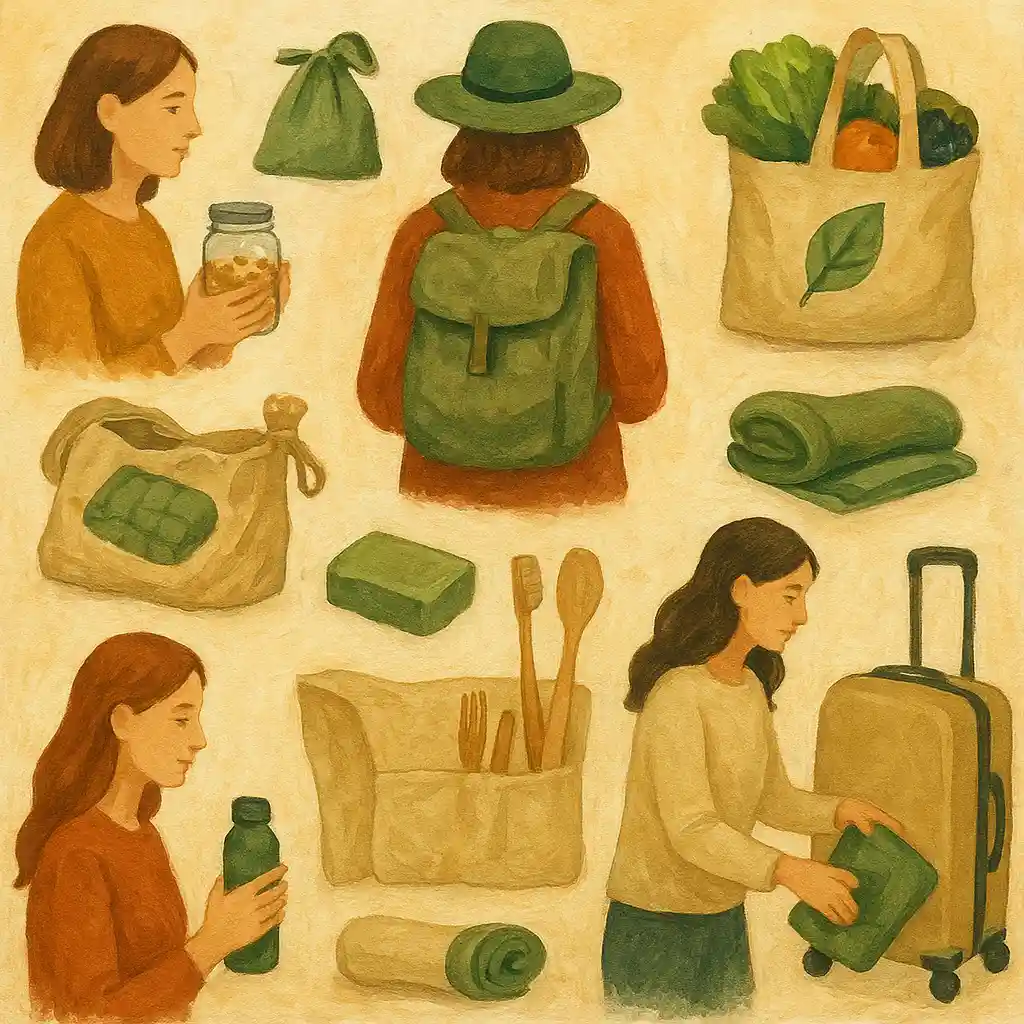
Eco-conscious packing tips for women in Canada can turn a normal trip into a more thoughtful, lighter, and lower-waste adventure. If you’ve ever stood over an open suitcase wondering how to pack less without giving up comfort, you’re not alone. The good news is that a few smart choices—like versatile clothing, refillable toiletries, and reusable daily essentials—can reduce waste, cut down on overpacking, and make your travel days easier.
Imagine a woman in her mid-50s preparing for a trip across Canada. She wants to feel comfortable and confident, but she also wants her choices to match her values. She picks items one by one, thinking about durability, reusability, and what will actually get worn. She adds a reusable water bottle, a simple set of utensils, and a small capsule wardrobe that works for cities, trails, and everything in between. When she finally zips her suitcase, it feels good—not just because it closes easily, but because it reflects a more mindful way to travel.
Every small decision you make while packing—what you bring, what you skip, and what you reuse—can help reduce waste and support more responsible travel.
Below are 15 eco-conscious packing tips for women in Canada, organized in a simple way so you can plan, pack, and travel with less stress and less waste—while still being ready for Canada’s changing weather and wide range of activities.
Eco-conscious packing tips for women in Canada start with research and planning
Before you pack a single item, planning helps you avoid “just in case” choices that often lead to overpacking. Research also helps you find options that fit your values—like greener stays, lower-impact transportation, and local experiences that support communities.
1) Research eco-friendly accommodations and transportation options
When you plan your route, look for accommodations that prioritize sustainability. Some places use energy-efficient lighting, offer recycling programs, and encourage towel reuse. Those small practices can add up across many guests and many nights.
For transportation, consider trains or buses when they make sense for your route. They can reduce emissions compared to flying, and you also get to enjoy the scenery. Planning ahead makes it easier to choose options that match your time, budget, and comfort level.
2) Build a packing list based on your real activities
Eco-conscious packing tips for women in Canada work best when your packing list matches your actual itinerary. A city break in Toronto will look different from hiking in Banff National Park or whale watching near Vancouver.
Try creating a simple list with three categories: clothing, personal care, and daily reusables. Then add activity-specific items only if they are truly needed.
- Choose versatile clothing you can mix and match.
- Pack a reusable water bottle to reduce single-use plastic.
- Bring a foldable tote bag for groceries or souvenirs.
- Carry reusable utensils and a cloth napkin for waste-free meals.
- Use refillable toiletry containers to reduce plastic waste.
- Pack a compact, quick-drying travel towel.
- Consider a solar-powered charger for devices when you’ll be outdoors.
- Use a durable backpack that works for day trips and transit.
3) Check the weather forecast and pack for layers
Canada’s weather can change quickly, and packing the wrong items often leads to extra purchases during the trip. Checking the forecast helps you pack what you will actually use.
One of the most useful eco-conscious packing tips for women in Canada is layering. Layers let you adjust to temperature changes without packing bulky items you only wear once.
- Base layer: moisture-wicking and comfortable.
- Mid layer: warmth, like a sweater or fleece.
- Outer layer: waterproof and windproof for rain and wind.
Eco-conscious packing tips for women in Canada: choose sustainable luggage that lasts
Luggage is a long-term travel tool. A durable suitcase or backpack can last for years, which helps reduce waste over time. Choosing materials thoughtfully can also support more sustainable production choices.
4) Opt for luggage made from recycled or sustainable materials
If you’re buying new luggage, consider options made from recycled materials or sustainable fabrics. Recycled materials can help reduce waste and support a more circular approach to manufacturing.
Look for brands that are transparent about materials and production. Reading reviews from like-minded travelers can also help you choose something that lasts.
5) Choose a durable suitcase or backpack you can use for years
Durability is a sustainability feature. A well-made bag that survives many trips is often a better choice than replacing a cheaper option again and again.
When choosing, consider:
- Strong zippers and stitching
- Comfortable straps (especially for backpacks)
- Useful compartments for simple organization
- Materials that handle rain and rough handling
Try this: before buying, imagine using the bag for different trips—weekend city breaks, longer nature trips, and travel days with public transport. If it fits most situations, it’s likely a good long-term choice.
Eco-conscious packing tips for women in Canada: build a versatile, low-waste wardrobe
Clothing is often the biggest part of a suitcase. Packing fewer, better items can make travel lighter and reduce the need for last-minute shopping. The goal is comfort, flexibility, and repeat wear.
6) Pack mix-and-match pieces in simple colors
One of the most practical eco-conscious packing tips for women in Canada is to pack a small capsule wardrobe. Choose items that work together so you can create many outfits from a few pieces.
Examples of versatile items:
- Comfortable jeans or travel pants
- Black leggings (easy to dress up or down)
- A neutral top that works for day and evening
- A simple dress that can be layered
- A scarf that adds warmth and changes the look of an outfit
7) Choose sustainable fabrics like organic cotton, linen, or bamboo
Fabric choice matters. Organic cotton is grown without harmful pesticides. Linen is breathable and durable, and it often gets softer over time. Bamboo can be a renewable option that grows quickly and needs less water.
These fabric choices can support more sustainable fashion habits—especially when you choose items you will wear many times, not just on one trip.
8) Pack layers for unpredictable Canadian weather
Even within one day, you may feel sun, wind, and rain—especially if you’re moving between neighborhoods, waterfronts, parks, and higher elevations. Packing layers helps you stay comfortable without overpacking.
Include a lightweight rain jacket and a warm sweater. These two items can cover many situations and reduce the need to buy extra clothing while traveling.
Eco-conscious packing tips for women in Canada: pick sustainable footwear that can handle walking
Canada is a great place for walking—city exploring, museum days, waterfront paths, and nature trails. Good footwear reduces discomfort and helps you avoid buying replacements mid-trip.
9) Pack comfortable, durable shoes for walking and hiking
Bring shoes that match your plans. If you’ll be hiking, sturdy hiking boots may be worth it. If your trip is more urban with light trails, supportive sneakers might be enough.
Try this: break in your shoes before the trip by wearing them on short walks. It helps prevent blisters and makes your first long day much more enjoyable.
10) Choose eco-friendly footwear brands that prioritize sustainability
If you’re shopping for shoes, consider brands that use recycled materials, natural rubber, or responsibly sourced components. Sustainable footwear is also about ethical production and transparency.
Some travelers look at brands such as Allbirds, Veja, and Rothy’s when exploring more eco-friendly choices. Whatever brand you choose, focus on comfort, durability, and long-term use.
Eco-conscious packing tips for women in Canada: simplify toiletries with refillables and solids
Toiletries are a common source of plastic waste and travel mess. They also create stress at airport security. A few simple switches can reduce waste and make packing easier.
11) Pack refillable or biodegradable toiletry containers
Reusable toiletry containers help you avoid buying many small plastic bottles. They also reduce leaks when you choose good-quality, leak-resistant options.
Consider reusable silicone travel bottles and small refillable jars for creams. If you find biodegradable options that work for your routine, they can be another helpful step toward lower waste.
12) Choose eco-friendly and cruelty-free personal care products
Many travelers prefer personal care items that align with their values. Look for labels like cruelty-free, vegan, and sustainably sourced if those matter to you. Doing a little research before you shop can reduce impulse purchases and help you pack products you truly like.
Try this: swap one product at a time (for example, your shampoo or body wash) so the change feels simple and realistic.
13) Opt for solid toiletries to reduce liquid restrictions and plastic
Solid toiletries are one of the most travel-friendly eco-conscious packing tips for women in Canada. Solid shampoo bars, conditioner bars, and toothpaste tablets can reduce plastic packaging and make airport security easier because you’re carrying fewer liquids.
They also take up less space, and there’s no risk of a bottle leaking into your clothes.
Eco-conscious packing tips for women in Canada: pack reusable items you’ll use daily
Reusable items are a powerful way to reduce single-use waste while traveling. They also help you stay prepared—especially on long sightseeing days or when you’re eating on the go.
14) Carry reusables: water bottle, tote bag, utensils, straw, and coffee cup
Instead of relying on whatever is offered in the moment, pack a few small items that help you avoid waste throughout your trip.
- Reusable water bottle: stay hydrated and reduce plastic bottles.
- Reusable shopping bag or tote: useful for groceries, markets, and souvenirs.
- Reusable utensils and straw: helpful for takeout meals and snacks.
- Reusable coffee cup: a simple way to reduce disposable cups.
Try this: keep a foldable tote and compact utensil set in your day bag so you don’t forget them when you leave your hotel.
15) Pack sustainable snacks with reusable containers
Snacks are easy to overlook, but they often create a lot of packaging waste. Packing some snacks in reusable containers helps reduce single-use plastic and makes travel days smoother.
- Bring locally sourced and organic snacks when possible.
- Pack homemade trail mix or energy bars in reusable snack bags.
- Carry fruit or simple foods that don’t need extra packaging.
If you plan to shop during your trip, consider visiting local markets when you can. It can be a more community-supportive choice and may reduce packaging compared to heavily packaged convenience snacks.
Eco-conscious packing tips for women in Canada: choose eco-conscious electronics
Electronics are part of modern travel, but you can still make lower-impact choices. Energy-efficient options can reduce power use and help you stay prepared without extra waste.
Pack energy-efficient chargers and power banks
Choose chargers and power banks that are designed to be energy-efficient and reliable. A quality charger can last longer and reduce the need for replacements. If you’re buying new, look for models with low standby power use.
Bring a solar-powered charger for renewable energy on the go
If you expect to spend time outdoors—on trails, road trips, or long day tours—a solar-powered charger can be a helpful addition. It can keep your phone or small devices charged using renewable energy, which supports a more sustainable travel routine.
Eco-conscious packing tips for women in Canada: safety and security essentials
Packing sustainably also means packing wisely. When you feel safe and organized, you’re less likely to make rushed purchases or lose important items.
Keep documents and valuables secure in a travel pouch
Use a travel pouch to organize and protect important items like your passport, cards, and insurance details. Some travelers choose water-resistant pouches, and some prefer RFID-blocking options for added protection.
Share your itinerary with a trusted contact
Sharing your itinerary with someone you trust is a simple safety step. Include key details like where you’re staying, travel dates, and how to reach you. It can provide peace of mind—especially if you’re traveling solo.
Stay aware, trust your instincts, and stay present
Being mindful matters. Pay attention to your surroundings, trust your gut if something feels off, and keep a basic plan for each day. Some travelers find that simple grounding habits—like deep breathing—help them stay calm and alert in new places.
Eco-conscious packing tips for women in Canada: cultural respect and responsible tourism
Eco-conscious travel is not only about waste and materials. It’s also about how we treat places and people. Cultural respect and social responsibility can make your trip more meaningful and more positive for the communities you visit.
Research local customs and traditions
Learning basic customs—like greetings, local etiquette, and cultural norms—helps you connect respectfully. It can also prevent uncomfortable misunderstandings and make your travel experience smoother.
Support local businesses and artisans
When you buy from local shops, markets, and artisans, your money supports real people in the community. You may also find more unique items than in mass-produced tourist stores.
Practice responsible tourism
Respect nature, wildlife, and local culture. Reduce waste where you can, follow local rules in parks and natural areas, and choose experiences that align with your values.
Responsible tourism means leaving places better than you found them—through respect, care, and mindful choices.
Eco-conscious packing tips for women in Canada: sustainable souvenir shopping and waste disposal
Souvenirs and disposal habits can quietly create a lot of waste during travel. A little intention here goes a long way.
Choose locally made, eco-friendly souvenirs
Look for souvenirs made by local artisans using sustainable materials. Items like handmade jewelry, artisanal soaps, or thoughtfully made textiles can be meaningful, easy to pack, and supportive of local communities.
Avoid items made from endangered species or unsustainable materials
If you’re unsure what a product is made from, pause before buying. Choosing ethical, sustainable materials helps protect wildlife and supports better production practices.
Dispose of waste properly and recycle when possible
Recycling rules can vary by region. When you can, follow local guidelines and use recycling bins correctly. If you’re out exploring and can’t find the right bin, keep a small bag for waste and sort it later.
Avoid single-use plastics and choose better alternatives
Many eco-conscious packing tips for women in Canada come back to one core habit: reduce single-use items. Reusable bottles, cups, and utensils are small items that can prevent a lot of daily waste.
Eco-conscious packing tips for women in Canada: reflection and personal growth
Sustainable travel is also personal. It’s about noticing your habits and improving over time—without aiming for perfection.
Reflect on what worked (and what you didn’t need)
After your trip, take a few minutes to review what you used often and what stayed untouched. This helps you pack lighter next time and avoid unnecessary purchases.
Try this: write a short note in your phone or a travel journal with three lists—“packed and used,” “packed and didn’t use,” and “wish I brought.” It makes your next packing session much easier.
Share your sustainable travel experiences to inspire others
If you found eco-conscious packing tips for women in Canada helpful in your own trip, share what you learned with friends or family. Simple stories—like how a shampoo bar made airport security easier, or how a tote bag saved you from plastic bags—can inspire others to try small changes too.
Conclusion: travel lighter, waste less, and enjoy Canada more
Eco-conscious packing tips for women in Canada don’t require a perfect lifestyle or a suitcase full of special gear. They’re about choosing versatile clothing, packing reusables you’ll actually use, planning for weather with layers, and making mindful decisions that reduce waste. With each trip, you can learn what works best for you and build habits that feel natural and empowering.
If you’re planning your next trip, take a moment to create a simple eco-conscious packing list and keep it for future travels—your next suitcase will feel lighter, and your travel routine will feel more intentional.