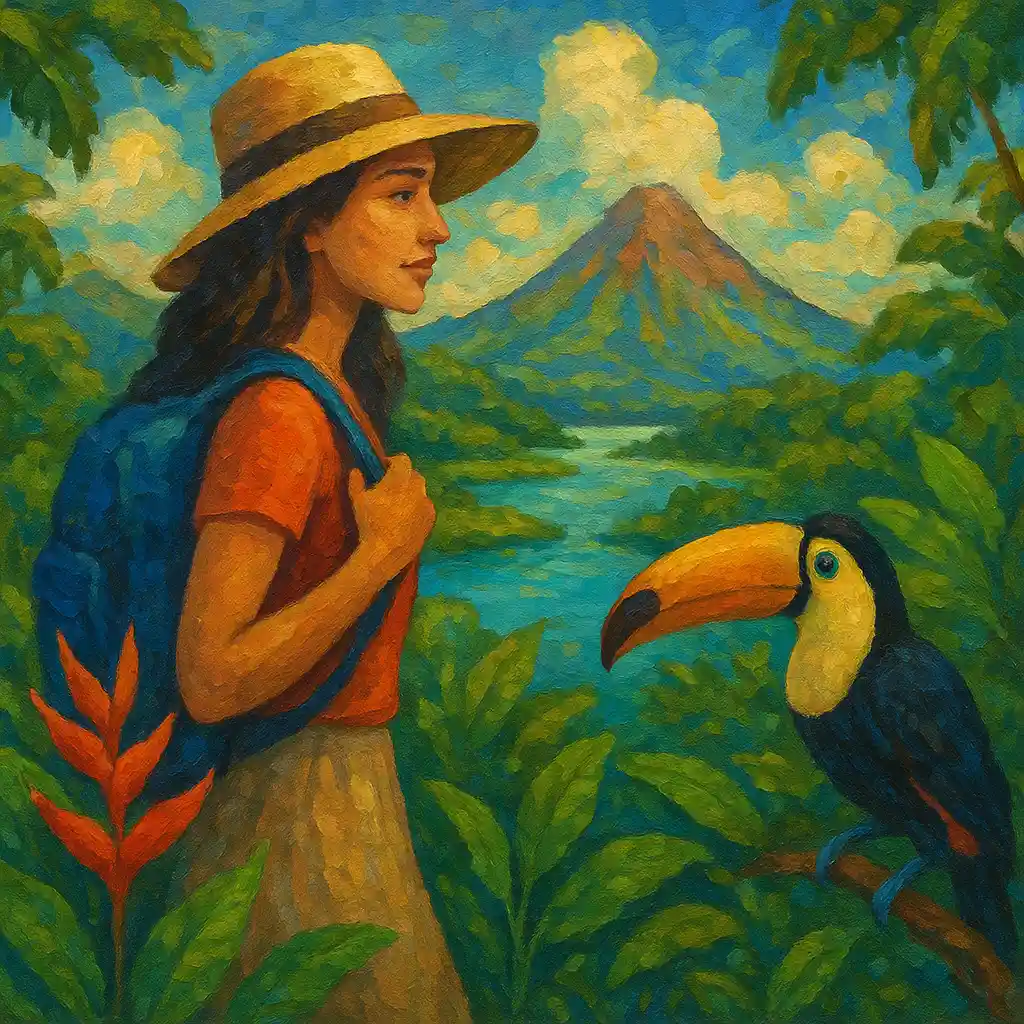
Cultural Travel in Costa Rica can be much more than a sunny getaway. It can become a calm, joyful, and deeply human experience where nature, tradition, food, and community come together. Costa Rica is famous for rainforests and beaches, but its real magic often appears in small moments: a warm greeting in a neighborhood bakery, a family recipe shared during a cooking class, a local guide explaining the story behind a festival, or a quiet conversation with an artisan who has learned a craft from her grandmother.
Why Cultural Travel in Costa Rica Works So Well
Costa Rica is welcoming, proud of its traditions, and used to hosting visitors. It also has strong eco-tourism values, which makes it easier to travel in a way that matches social responsibility and sustainability.
Here are a few reasons Costa Rica is ideal for cultural immersion:
A culture built on warmth and everyday connection
Costa Ricans are often called Ticos (men) and Ticas (women). Many visitors notice friendly service, helpful people, and a relaxed rhythm of life. A simple daily interaction can feel meaningful, especially when you travel slowly and with attention.
Many cultural experiences are easy to access
You can find local markets, cooking classes, farm visits, coffee tours, dance lessons, and craft workshops in many regions. Cultural activities are not limited to big cities. Small towns often offer the most authentic moments.
Sustainability is part of the national identity
Costa Rica protects large areas of land as national parks and reserves. Many hotels and tour companies also follow eco-friendly practices. This makes it easier to make values-based choices without giving up comfort.
Good options for comfort and safety
Costa Rica has many mid-range and higher-end accommodations, reliable guides, and organized tours. With good planning, it supports travelers who want cultural depth without physical strain.
What “Cultural Travel” Can Look Like in Real Life
Cultural Travel in Costa Rica does not mean rushing from one museum to another. It means spending time with local life and learning through direct experience.
Common cultural immersion activities include:
- Visiting farmers markets and learning about local produce
- Taking a Costa Rican cooking class in a home or small school
- Joining a coffee, cacao, or sugar cane experience with a local family
- Learning basic Spanish phrases for daily interactions
- Attending a community festival, dance event, or local celebration
- Visiting artisan workshops and buying directly from makers
- Exploring Indigenous cultural centers with respectful local guides
- Sharing meals in small “sodas,” meaning local family restaurants
- Participating in community-based projects in an ethical way
The goal is connection. Even one or two cultural experiences in a week can change the feeling of the whole trip.
Choosing a Local Cultural Guide: What to Look For
A good guide can turn a simple activity into a powerful memory. A great guide also helps you stay safe, comfortable, and respectful.
Strong qualities in a cultural immersion guide
Look for guides who show these traits:
- Local knowledge and pride: They explain traditions with care, not stereotypes
- Good communication: They speak clearly, listen well, and adapt to your pace
- Respectful attitude: They treat communities as partners, not as attractions
- Sustainability mindset: They avoid harmful wildlife handling and wasteful choices
- Experience with mature travelers: They plan realistic timing, breaks, and comfort
- Transparent pricing: Clear costs, clear inclusions, no pressure tactics
How to find reputable guides
Use a mix of sources:
- Reviews on Google, TripAdvisor, and trusted travel platforms
- Local tourism offices and hotel recommendations
- Women-focused travel groups on social media
- Eco-lodges that partner with community guides
- Small tour companies with clear sustainability policies
Helpful review clues
When reading reviews, focus on details, not only star ratings. Useful reviews often mention:
- How the guide handled timing and safety
- Whether the experience felt authentic or too staged
- If the guide supported local businesses and artisans
- If the group size was comfortable
- How respectful the guide was with local people
Programs and Experiences: Picking the Right Level of Immersion
Cultural immersion can be light and relaxed or deep and intensive. The best choice depends on your energy, goals, and comfort.
Gentle immersion, great for first-time visitors
- Day tours with a strong cultural focus
- Cooking classes and market visits
- Coffee and cacao experiences
- Artisan workshops
- Farm-to-table meals
- Local dance or music nights
Deeper immersion, great for personal growth
- Multi-day stays in rural communities
- Homestays with well-reviewed host families
- Language learning combined with cultural activities
- Indigenous-led cultural experiences with clear ethical standards
- Volunteering only through reputable, community-led programs
A simple rule for ethical cultural programs
Choose programs where local people lead, earn fair income, and decide what they share. Avoid experiences that feel like poverty tourism or push for emotional stories.
A Practical Planning Blueprint for a Comfortable Trip
Budget and timeline basics
Costs change by season and comfort level. A balanced cultural trip often includes:
- Comfortable, clean lodging with good reviews
- A few guided cultural experiences for deeper learning
- Independent time for rest and personal exploration
- Local meals in sodas plus a few special dinners
A trip of 10 to 14 days often works well. It gives enough time to travel slowly, reduce stress, and feel the culture instead of only seeing highlights.
Choosing regions for culture and variety
Costa Rica has many areas, and each has a different feeling. A cultural itinerary often combines two or three regions.
Good options include:
- San José and the Central Valley: museums, markets, coffee history, day trips
- Cartago and Orosí Valley: tradition, older churches, gardens, calm towns
- Guanacaste: cowboy heritage, marimba music, dry forest culture, beaches
- Arenal area: nature plus local farms, hot springs, cooking and cacao tours
- Caribbean coast (Limón area): Afro-Caribbean culture, music, food traditions
- Southern Zone (Dominical, Uvita, Osa gateway): community projects, nature, slower tourism
Pick places that match your pace. Fewer stops often creates a richer experience.
Accommodation choices that support sustainability
Look for hotels and lodges that show real eco-efforts, such as:
- Water refill stations
- Recycling and waste reduction
- Local hiring and fair wages
- Locally owned or community-linked businesses
- Clear wildlife respect policies
- Energy-saving systems
Certifications can help, but real actions matter most. Reviews often reveal what a property truly practices.
Packing Essentials for Cultural Comfort and Respect
Packing for Cultural Travel in Costa Rica is easier with a “comfort plus respect” mindset. The weather can change quickly, especially in rainforest regions.
Clothing
- Light breathable tops
- A thin long-sleeve layer for sun and mosquitoes
- Modest options for churches and community visits
- A rain jacket or poncho
- Comfortable walking shoes with good grip
- Sandals that feel stable
Useful items
- Reusable water bottle
- Small day bag with zipper
- Sun hat and sunglasses
- Reef-safe sunscreen and insect repellent
- Basic first-aid supplies
- Copies of passport and insurance details
- A small notebook or travel journal
A simple mindset shift for packing
Pack fewer items, but choose better items. Prioritize comfort, reusability, and quality. This reduces stress and supports sustainable travel.
Cultural Etiquette: Small Actions That Build Real Respect
Cultural respect is not about being perfect. It is about attention and kindness.
Everyday etiquette that works well in Costa Rica
- Use greetings such as Hola, Buenos días, Buenas tardes
- Say Por favor and Gracias often
- Speak calmly and politely, even when service is slow
- Respect personal space and avoid loud public behavior
- Ask before taking photos of people, especially artisans and children
- Dress modestly when visiting churches or traditional events
Basic Spanish phrases that help you connect
These phrases are simple and very useful:
- Hola: Hello
- Mucho gusto: Nice to meet you
- Gracias: Thank you
- Por favor: Please
- Con permiso: Excuse me, may I pass
- Lo siento: I am sorry
- No entiendo: I do not understand
- Puede hablar más despacio: You can speak more slowly
- Cuánto cuesta: How much does it cost
- Dónde está el baño: Where is the bathroom
Using even a little Spanish often leads to warmer, richer interactions.
Engaging With Local Communities in a Positive Way
Cultural Travel in Costa Rica feels most meaningful when local communities benefit. This can be simple and joyful, not complicated.
Support local artisans and small businesses
Buying directly from makers is one of the best ways to help communities. It also creates better souvenirs, because you remember the person and the story.
Good purchases include:
- Handwoven bags and textiles
- Wood carving and traditional masks
- Handmade jewelry
- Local coffee and cacao products
- Natural soaps and skincare made by small producers
When possible, buy from cooperatives, women-led groups, and community workshops.
Attend cultural events with care
Costa Rica has festivals, parades, religious celebrations, and local fairs. If you attend:
- Follow local behavior and dress norms
- Stay aware of your belongings in crowds
- Buy food from local stalls
- Enjoy from a respectful distance if a ceremony feels sacred
Community-based projects, done ethically
If you want to volunteer, choose carefully. The best projects are:
- Local-led and long-term
- Transparent about where money goes
- Focused on skills, conservation, or community goals
- Not based on “saving” people
Short-term volunteering should be done with extra care to avoid harm. A cultural guide or ethical organization can help you choose wisely.
Costa Rican Cuisine: A Direct Path into Culture
Food is one of the fastest ways to understand daily life. Costa Rican meals are often simple, fresh, and comforting.
Traditional dishes to know
- Gallo pinto: rice and beans, often for breakfast
- Casado: a plate with rice, beans, salad, plantains, and a protein
- Olla de carne: hearty beef and vegetable soup
- Ceviche: fresh fish with lime, onions, and herbs
- Patacones: fried plantain slices
- Tamales: special holiday food wrapped in banana leaves
On the Caribbean side, you can find Afro-Caribbean flavors such as coconut rice and spices.
Where to eat for authentic experiences
- Sodas: local family restaurants with traditional food
- Markets: fruit, snacks, local drinks, and fast meals
- Small bakeries: coffee, pastries, simple breakfasts
Cooking classes for deeper learning
A cooking class does more than teach recipes. It teaches stories, family habits, local ingredients, and cultural pride. Many classes include:
- A market visit
- A lesson on herbs and local produce
- Hands-on cooking
- A shared meal and conversation
This type of experience often becomes a highlight of the trip.
Nature as Culture: Eco-Friendly Activities That Add Meaning
Costa Rica’s natural beauty is not separate from culture. Many communities live close to forests, farms, rivers, and coastlines. Nature tours can be cultural when they include local knowledge and respect.
Sustainable outdoor activities that fit many energy levels
- Guided nature walks with a local naturalist
- Birdwatching, especially early mornings
- Easy hikes in reserves with safe paths
- Farm visits focused on coffee, cacao, vanilla, or tropical fruit
- Hot springs in Arenal with quiet, relaxing settings
Wildlife ethics to remember
Avoid tours that allow:
- Holding wild animals for photos
- Feeding wildlife as entertainment
- Touching sloths, monkeys, or birds
- Poor animal conditions
Choose guides who explain animal behavior and support conservation. This protects wildlife and improves the quality of your experience.
Staying Safe and Healthy While Traveling
A meaningful trip also needs good safety habits. Costa Rica is generally safe, but smart planning matters.
Simple safety habits
- Use official taxis or reputable ride services where available
- Keep valuables secure and simple, especially in busy areas
- Avoid walking alone late at night in unfamiliar places
- Keep emergency contacts saved on your phone and written down
- Share your itinerary with a trusted person at home
Food and water precautions
Many travelers do fine, but these steps reduce risk:
- Prefer bottled water or confirmed filtered water in rural areas
- Choose fresh, hot meals from clean places
- Wash hands often, carry sanitizer for markets and tours
- Be careful with ice if you are unsure of water quality
Travel insurance and medical support
Travel insurance is a strong support tool, especially for mature travelers. Look for coverage that includes:
- Medical emergencies
- Trip interruption
- Transport to a hospital if needed
Costa Rica has private clinics in many areas and good medical professionals in cities. Knowing where the nearest clinic is can create peace of mind.
A Simple Cultural Itinerary Example, Built for Depth and Comfort
This sample plan shows a balanced style of Cultural Travel in Costa Rica. It combines city culture, rural life, nature, and rest. It avoids rushing.
Days 1–3: San José and Central Valley
- Visit a market with a guide and taste local fruit
- Enjoy a coffee history experience
- Explore a museum or cultural neighborhood
- Eat in a soda and learn common dishes
Days 4–7: Arenal or nearby countryside
- Cooking class and farm visit
- Gentle nature walk with a naturalist
- Hot springs for rest and recovery
- Cacao tour with a local producer
Days 8–11: Guanacaste or Caribbean coast
- Artisan workshops and cultural music
- Local town visit, small festivals if available
- Beach time combined with cultural food stops
- Optional language lesson or dance class
Days 12–14: Slow final days
- Return to Central Valley
- Purchase last artisan gifts directly from makers
- Enjoy a relaxed final meal and journal reflection
This style leaves space for rest and spontaneous local moments, which often become the most memorable parts.
Reflection and Personal Growth: Bringing the Experience Home
Cultural immersion continues after the trip ends. Reflection helps you keep the value of the experience in your daily life.
A simple travel journaling practice
Bring a notebook and write a few lines each day. Keep it easy and honest.
Helpful journal prompts include:
- A moment that made you feel connected
- A cultural detail you learned today
- A value you saw in the local community
- A small discomfort that taught you something
- A meal or taste you want to remember
A daily micro-ritual for calm and presence
Travel can be busy. A small ritual supports your energy:
- Three slow breaths in the morning
- A short gratitude note at night
- A mindful pause before meals
- A short walk without a phone
These small actions help you feel the trip more deeply.
Bringing Costa Rica into daily life
After the trip, keep the experience alive:
- Cook one Costa Rican recipe each month
- Support artisans online if you find ethical shops
- Keep practicing basic Spanish phrases
- Print a few photos and add notes about the story behind them
- Continue choosing sustainable options in everyday routines
This turns a trip into a long-term personal benefit.
Final Thoughts: A More Meaningful Way to See Costa Rica
Cultural Travel in Costa Rica offers a special mix of warmth, safety, nature, and living traditions. With the right pace and the right local guidance, it becomes an experience built on respect, sustainability, and real human connection. It supports local communities, protects the environment, and gives you something valuable to take home: new perspectives, deeper patience, and lasting memories that feel personal.
A trip like this does not require extreme adventure or perfect planning. It requires intention, kindness, and the choice to travel with open eyes and a calm heart. When you focus on culture, community, and responsible choices, Costa Rica becomes more than a destination. It becomes a meaningful chapter in your life story.