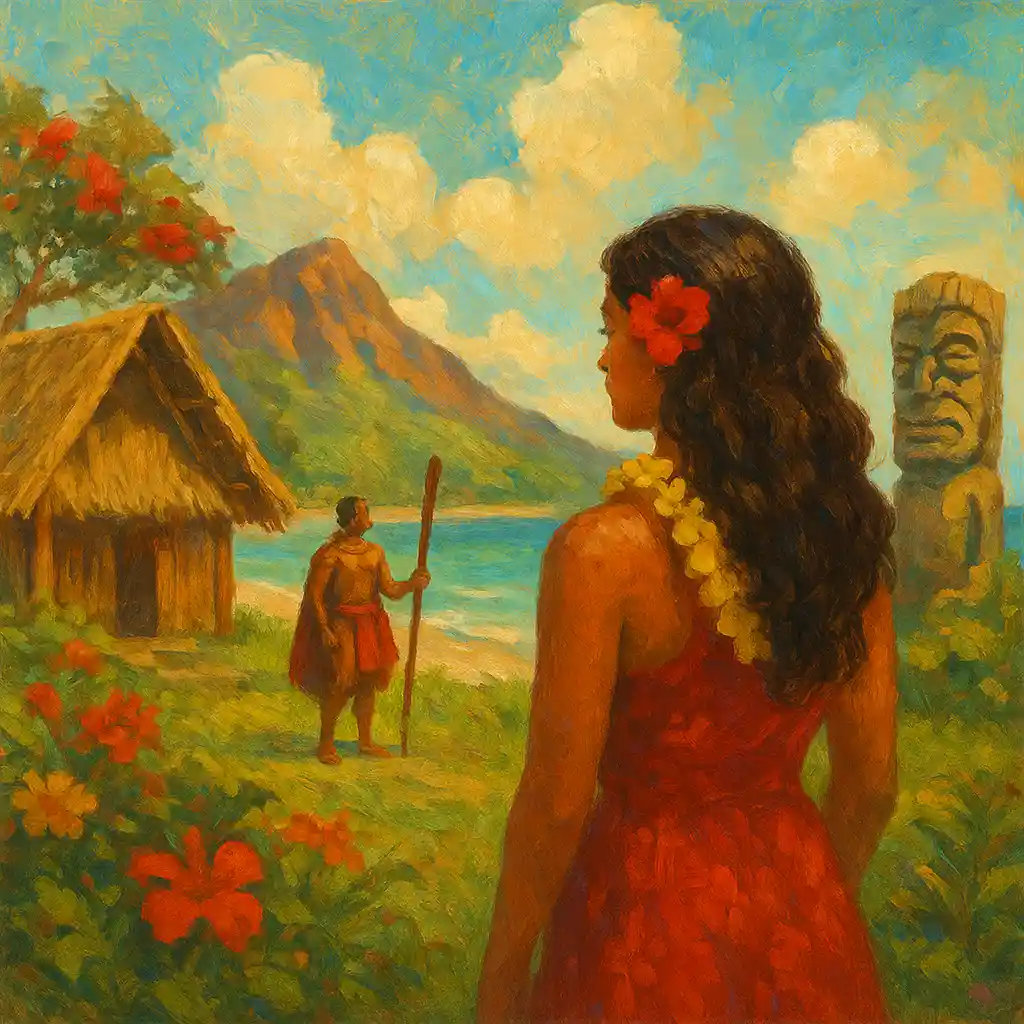
If you’re planning a trip and want Hawaii cultural experiences that feel real, respectful, and deeply memorable, you’re in the right place. Hawaii is more than beautiful beaches (though those are wonderful, too). It’s a living culture with traditions, stories, music, food, and communities that deserve care. For culturally curious women—especially seasoned travelers who want meaning, not just photos—these moments can become the heart of your trip.
This guide shares five essential destination highlights that help you connect with Hawaii in a thoughtful way. Along the way, you’ll also find practical tips for cultural respect, sustainability, safety, and reflection—because the best Hawaii cultural experiences happen when we travel with awareness and gratitude.
Key idea: The most rewarding Hawaii cultural experiences come from showing respect, supporting local communities, and staying open to learning.
Before You Go: A Mindset for Meaningful Hawaii Cultural Experiences
Hawaii welcomes visitors, but it is also home to people with deep roots and living traditions. Approaching your trip as a respectful guest can change everything. A few small choices—how you speak, where you spend money, and which activities you choose—can help protect what makes Hawaii special.
Practice cultural respect in simple, everyday ways
You don’t need to be an expert to be respectful. Start with small actions that show care.
- Learn a bit before you arrive: Read about Hawaiian history and customs so you have basic context.
- Remove your shoes when entering someone’s home if that’s the house rule. It’s a common sign of respect.
- Use a calm, gentle tone and listen more than you talk when learning from local people.
- Ask before taking photos, especially during ceremonies or at places considered sacred.
Support local communities with values-based choices
Many travelers want their spending to match their values. In Hawaii, this can mean choosing locally owned restaurants, booking tours with local guides, and buying directly from artisans. These choices help keep culture alive and strengthen local livelihoods.
Add reflection to your itinerary
Hawaii has a natural rhythm that invites you to slow down. Consider building in a simple daily reflection practice. It can help you remember more, feel more, and return home with insights—not just souvenirs.
- Travel journal: Write a few lines each night about what you learned, tasted, heard, or felt.
- Mindful breathing: Find a quiet spot by the ocean, close your eyes, and listen to the waves for a few minutes.
- Gratitude prompt: Write down three small moments you appreciated that day.
Hawaii Cultural Experiences Highlight #1: Learn the Stories Through Hula and Hawaiian Music
One of the most powerful Hawaii cultural experiences is seeing how stories are carried through movement and sound. Hula is not just entertainment. It is a traditional art form that can express history, place, and emotion. Hawaiian music—whether you hear ukulele melodies or traditional chanting—can feel like a doorway into the spirit of the islands.
Attend a live performance or cultural show
Look for opportunities to attend a traditional hula performance or a cultural show where the focus is on learning and respect. Before you go, try reading a short explanation of what you’ll see. Even a little background can deepen your understanding.
When you attend, remember that your presence matters. Be fully present, stay off your phone, and treat the performance as a cultural sharing, not just a photo opportunity.
Try a hula or ukulele lesson
If you want hands-on Hawaii cultural experiences, taking a hula or ukulele class can be a beautiful choice. Many women find that learning even basic steps or chords helps them connect in a more personal way. It’s also a chance to meet local instructors and other travelers who care about culture.
Go in with a beginner’s mindset. You’re not there to be perfect—you’re there to learn, listen, and participate with humility.
Make it meaningful with a simple reflection
After a performance or lesson, write one short journal entry:
- What did you notice about the storytelling?
- What emotions did the music bring up for you?
- What did you learn that you didn’t know before?
Hawaii Cultural Experiences Highlight #2: Taste Traditional Hawaiian Cuisine (and Learn the Ingredients)
Food is one of the most direct and memorable Hawaii cultural experiences. Traditional dishes and local ingredients can teach you about land, ocean, family, and history. When you eat with curiosity and respect, a meal becomes more than a meal.
Try traditional dishes with an open mind
Hawaii’s food culture includes traditional staples and beloved local favorites. In this trip, you may come across dishes and ingredients like:
- Poi (made from taro root)
- Laulau
- Lomi lomi salmon (a refreshing mix with tomatoes and onions)
- Poke
- Haupia pie
Instead of rushing, slow down and ask: What ingredients are from the land? What comes from the sea? What traditions might be behind this dish?
Visit local restaurants and food markets
For authentic Hawaii cultural experiences through food, prioritize locally loved places and markets. The draft you’re working from highlights a few specific stops that many travelers seek out:
- Helena’s Hawaiian Food (Honolulu) for dishes like laulau and poi
- Hilo Farmers Market for farm-fresh produce and homemade treats
Farmers’ markets are also a wonderful way to support local growers and makers. You can sample tropical fruits, local jams, and other foods that reflect what’s grown and made nearby.
Take a cooking class or food tour
If you want deeper Hawaii cultural experiences, consider a cooking class or food tour. These hands-on options can help you learn cooking methods, ingredients, and the stories behind dishes. They also create easy, natural conversation with local chefs and guides.
Many travelers enjoy learning to make dishes like poke or laulau. The best part is what you take home: not just recipes, but a stronger connection to what you ate and why it matters.
Hawaii Cultural Experiences Highlight #3: Explore Hawaiian Arts, Crafts, and Local Makers
Traditional arts and crafts are living expressions of culture. When you take time to explore Hawaiian creativity—quilting, lei-making, carving, and more—you’re not only seeing beauty. You’re seeing heritage, patience, and pride.
Visit galleries, markets, and cultural centers
For Hawaii cultural experiences that also support the local economy, make time for local art spaces. Markets and galleries are ideal because you can often meet the artist or maker and hear the story behind the work.
Try starting a conversation with a vendor or artist. Ask what inspired the piece or how they learned the craft. These small interactions can become some of the most memorable moments of your trip.
Join a workshop to learn a traditional craft
Workshops are a wonderful bridge between curiosity and understanding. A traditional lei-making workshop, for example, can teach you about symbolism, local plants, and the care that goes into creating something meaningful.
Other classes may include crafts like lauhala weaving or quilt-inspired designs. Whatever you choose, approach it with respect for the tradition and gratitude for the teacher’s time.
Tip: Leave space in your suitcase for something you make or buy directly from an artisan. It’s often the most meaningful souvenir.
Shop for souvenirs that are ethical and meaningful
Shopping can be part of your Hawaii cultural experiences when it’s done with intention. Instead of mass-produced items, look for gifts that support local artisans and reflect the culture in a respectful way.
- Buy handmade: Jewelry, textiles, crafts, and art created by local makers.
- Ask questions: Where was it made? Who made it? What does it represent?
- Choose quality over quantity: One meaningful piece is better than many forgettable items.
Hawaii Cultural Experiences Highlight #4: Connect with Nature Through Sustainability and Responsible Tourism
Nature is not separate from culture in Hawaii. Land and ocean shape daily life, traditions, and identity. That’s why some of the best Hawaii cultural experiences come from being outdoors in a mindful, low-impact way.
Choose sustainable activities like hiking and snorkeling
Hawaii offers many ways to experience natural beauty while staying respectful. Consider activities like hiking through rainforests, snorkeling in clear waters, or joining programs connected to wildlife conservation. These experiences can be joyful and grounding—especially when you slow down and notice what’s around you.
Before booking, look for operators who prioritize conservation and community engagement. A little research can help you choose experiences that align with your values.
Practice small eco-friendly habits every day
Sustainability can feel overwhelming, but it often comes down to simple habits:
- Carry a reusable water bottle and a reusable shopping bag.
- Reduce single-use plastics whenever possible.
- Respect natural areas by leaving no trace.
- Choose tours and accommodations that prioritize eco-friendly practices.
Support local conservation efforts
Responsible tourism also means thinking about where your money goes. Consider choosing eco-conscious accommodations, booking tours with local guides, and supporting restaurants that source ingredients locally. These choices can reduce environmental impact and strengthen local systems.
If you’re interested, you can also look for community-based tourism initiatives or volunteer opportunities through local community centers, environmental organizations, or cultural groups. Even asking what’s needed can be a respectful first step.
Hawaii Cultural Experiences Highlight #5: Visit Historic Sites and Learn Hawaii’s Cultural Heritage
To understand Hawaii more deeply, it helps to learn about history—not just what you see in the present. Visiting historic sites can add context to everything else: the music, the language, the customs, and the resilience of the people.
Explore key historic places with care
Two important sites mentioned in the draft are:
- Pearl Harbor
- ʻIolani Palace
When you visit places like these, take your time. Read the signs, listen to guides, and allow the stories to land. Many travelers describe a moment when history suddenly feels real—when you realize you are standing where major events unfolded.
Learn customs that show respect
Cultural heritage also lives in everyday behavior. When you learn local customs and practice them, you show that you are paying attention.
- Remove shoes when appropriate.
- Respect sacred sites and follow posted guidance.
- Ask permission before photographing people or ceremonies.
- Listen actively and avoid interrupting when someone is sharing cultural knowledge.
Book cultural excursions with local guides
Guided cultural tours can be a strong way to access Hawaii cultural experiences with more depth. Local guides often share stories, connections, and perspectives that you won’t find in a general guidebook.
When booking, look for guides who are passionate about sharing their heritage and who approach culture with care. A simple question can help: “What do you want visitors to understand about this place?”
Practical Tips: Safety, Transportation, and Planning for Hawaii Cultural Experiences
Meaningful travel also needs good planning. These practical tips can help you feel confident, especially if you’re traveling solo or building a trip around cultural activities.
Safety tips for solo female travelers
- Trust your instincts and stay aware of your surroundings.
- Secure your belongings in busy areas and while out at night.
- Avoid walking alone in dimly lit places.
- Share your itinerary with a trusted friend or family member.
- Consider taking a self-defense class before your trip for extra confidence.
Also remember basic island safety: stay hydrated, wear sunscreen, and respect the ocean by following warning signs.
Transportation and navigating the islands
Getting around Hawaii can be part of the adventure. Depending on your plans, you might:
- Take a short flight between islands for convenience and scenic views.
- Choose a ferry when available for a slower, ocean-focused experience.
- Rent a car to explore at your own pace and stop at quieter spots.
Downloading offline maps or using GPS can help on winding roads. And when you use local transportation services, you also have more chances for friendly cultural exchange—sometimes a simple conversation becomes a learning moment.
Choosing tour operators and accommodations thoughtfully
The draft recommends looking for tour operators that prioritize sustainability, community engagement, and authentic cultural experiences. It specifically mentions:
- Hawaiian Cultural Tours
- Oahu Nature Tours
For accommodations, the draft suggests considering eco-friendly or boutique options and mentions:
- Fairmont Orchid
- Mauna Lani
Whatever you choose, the key is alignment: pick businesses that match your values and help you access Hawaii cultural experiences in a respectful way.
How to Deepen Hawaii Cultural Experiences Through Community Connection
Many travelers say the most meaningful part of a trip is the people. In Hawaii, engaging with local communities can happen in simple, respectful ways that don’t feel forced.
Interact with locals in everyday settings
You don’t need a big plan to connect. Try these gentle approaches:
- Talk with an artisan at a market and ask about their process.
- Ask a restaurant staff member what dish they recommend and why.
- Attend a community event or workshop where learning is welcomed.
Approach each interaction with genuine curiosity and respect. Listen carefully, and avoid treating people like attractions. Real connection is built through kindness and attention.
Consider community-based tourism or volunteering
If you want to give back, look for community-based tourism initiatives or volunteering opportunities that are led by local organizations. Start by reaching out to community centers, environmental groups, or cultural organizations to ask what support is helpful and appropriate.
Done well, this can turn Hawaii cultural experiences into true cultural exchange—where both visitors and locals feel respected.
Personal Growth: Mindfulness, Journaling, and Remembering What You Learned
Travel can be fun, but it can also be transformative. Many women find that Hawaii cultural experiences naturally encourage reflection—especially when you slow down enough to notice what’s changing inside you.
Try simple micro-rituals during your trip
- Morning intention: “Today I will travel with respect and curiosity.”
- Evening reflection: “What surprised me today?”
- Gratitude practice: List three moments that made you feel connected.
Create a memory practice that fits your style
Journaling doesn’t need to be long. A few lines are enough. You can also collect small items for a travel scrapbook—postcards, ticket stubs, notes, or photos—so you have a physical reminder of what you experienced.
Mindfulness matters, too. The next time you watch a Hawaiian sunset, try taking a few deep breaths and simply listening. These quiet moments often become the ones we remember most.
Conclusion: Let Hawaii Cultural Experiences Change You (Gently and for the Better)
The best Hawaii cultural experiences are not about doing everything. They’re about choosing a few meaningful highlights—music and hula, traditional food, arts and crafts, nature with sustainability, and heritage sites—and experiencing them with respect. When you support local communities, follow local customs, and reflect on what you’re learning, Hawaii becomes more than a destination. It becomes a relationship.
If you’re planning your itinerary now, choose one highlight from this guide and build a day around it—then keep space for rest, reflection, and unexpected moments. When you’re ready, explore more cultural travel guides on our site to keep your learning journey going.