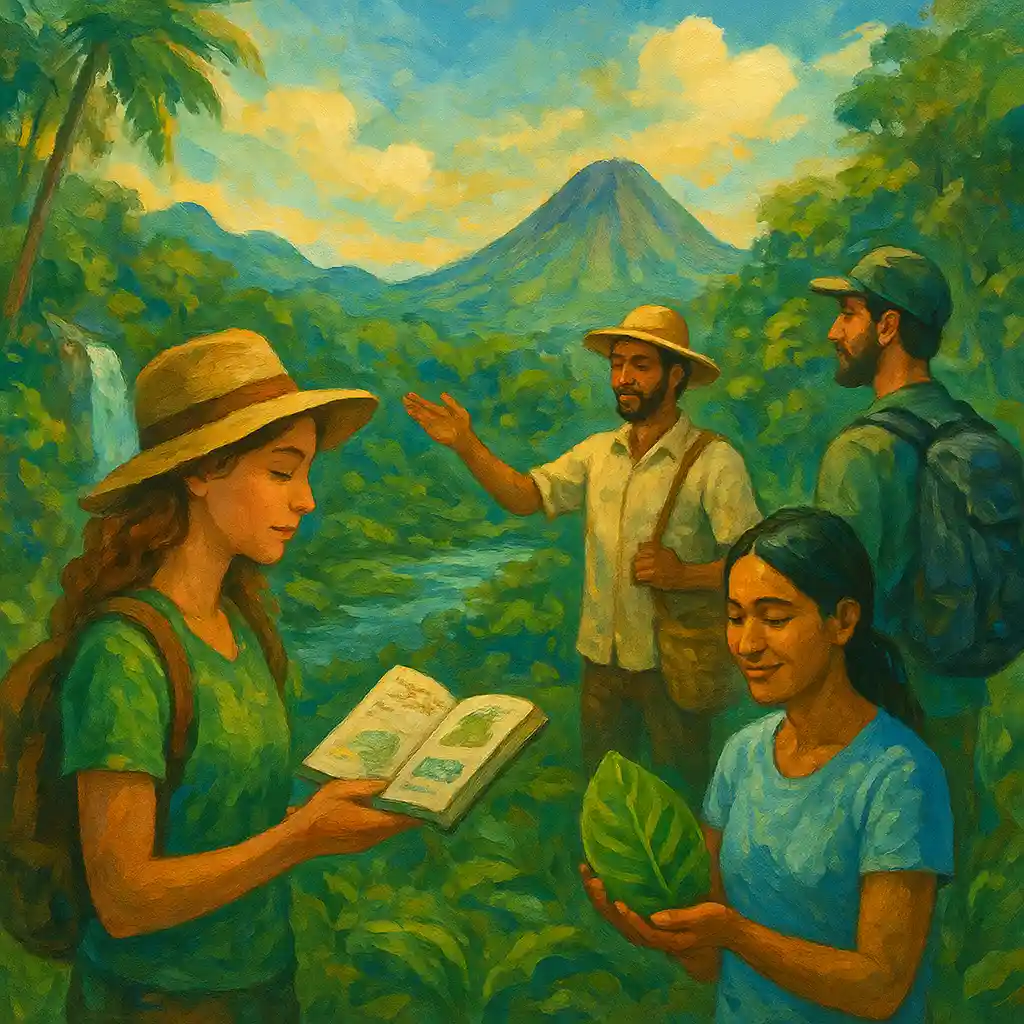
Cultural immersion in Costa Rica can be one of the most meaningful ways to travel sustainably. It helps you connect with local people, respect traditions, and enjoy nature without treating the country like a theme park. If you’re an eco-conscious traveler, you probably know the feeling of being torn between wanting an unforgettable trip and wanting to reduce your impact. The good news: you can do both. With a few values-based choices—where you stay, how you move around, what tours you book, and how you interact with communities—you can build a trip that supports conservation and local culture at the same time.
When you choose cultural immersion in Costa Rica, you’re not just visiting a place—you’re learning how to travel with respect, curiosity, and a lighter footprint.
In this guide, you’ll find practical ways to immerse yourself in Costa Rican culture while staying aligned with sustainability. You’ll also get simple tips you can use right away: packing lighter, choosing eco-friendly transportation, supporting community-based tourism, and making ethical decisions about wildlife experiences.
Why Cultural Immersion in Costa Rica Is Ideal for Eco-Conscious Travelers
Costa Rica is widely known as a top destination for nature lovers, and it’s also a strong match for travelers who care about sustainability. Over 25% of its land is protected as national parks and reserves, which makes it easier to experience incredible ecosystems in a responsible way. The country is also known for renewable energy efforts and a strong eco-tourism culture, which supports many eco-friendly accommodations and tours.
But nature is only one part of the story. Cultural immersion in Costa Rica adds depth to your trip. Instead of only “seeing” the rainforest, you can learn how local communities live with it, depend on it, and protect it. That shift—from consuming experiences to building relationships—often leads to more respectful travel choices.
Costa Rica’s commitment to sustainability and eco-tourism
Eco-tourism in Costa Rica is not just a trend. Many lodges, tour operators, and community projects are built around the idea of protecting natural resources while supporting local livelihoods. For eco-conscious travelers, this creates more opportunities to book experiences that feel aligned with your values.
One mindset shift that helps: before you book, ask yourself whether the activity supports conservation, respects culture, and benefits local communities. If the answer is unclear, keep researching until it is.
Rich biodiversity and conservation efforts you can support
Costa Rica is known for extraordinary biodiversity, with over 500,000 species. You may spot monkeys, colorful birds, sloths, sea turtles, and vibrant marine life depending on where you travel. With that richness comes responsibility. Many areas rely on protected land, education, and ethical tourism to reduce harm to wildlife and habitats.
As a visitor, you can support these efforts by choosing eco-friendly tours, staying in responsible accommodations, and participating in activities that help rather than disturb local ecosystems.
Cultural preservation and community-based tourism
Community-based tourism is one of the strongest paths to cultural immersion in Costa Rica. It can include homestays, community-run farms, artisan workshops, and locally guided experiences. These options often keep more money in the community and encourage cultural preservation, because traditions become valued rather than replaced by mass tourism.
- Seek out community-based tourism initiatives that prioritize cultural preservation and sustainable practices.
- Engage with local artisans and learn about traditional crafts and techniques.
- Join cultural workshops or cooking classes to understand daily life more deeply.
Understanding Costa Rican Culture for Cultural Immersion in Costa Rica
Cultural immersion in Costa Rica starts with understanding the basics of what matters to people there. Costa Rican culture is often described as warm, friendly, and closely connected to nature. Many visitors notice a strong sense of community, hospitality, and pride in local landscapes and traditions.
History, traditions, and values
Costa Rica’s history includes indigenous roots, Spanish colonization, and a modern reputation for peace and democracy. Cultural traditions show up in food, festivals, family life, and local sayings. One value you’ll hear often is pura vida (pure life). It can be a greeting, a goodbye, or a mindset—an everyday reminder to appreciate life and keep things simple.
If you want a simple daily practice to connect with that mindset, try this: start your morning with a short gratitude note in your journal. Write down one thing you appreciate about the natural world around you and one moment of human connection you noticed.
Cultural etiquette and respectful customs
Small choices can make cultural immersion in Costa Rica smoother and more respectful. You don’t need perfect Spanish or deep cultural knowledge to be kind. You just need attention and humility.
- Learn basic Spanish phrases like “por favor” (please) and “gracias” (thank you).
- Dress modestly when visiting religious sites or rural communities.
- Ask before taking photos of people, especially in community settings.
- Listen more than you speak when learning about traditions that are not your own.
Sustainable Accommodation for Cultural Immersion in Costa Rica
Where you stay shapes your entire trip. Sustainable accommodation supports cultural immersion in Costa Rica because it often connects you to local food, local staff, and nature-focused practices. It can also reduce waste and energy use, especially when a property is designed with sustainability in mind.
Eco-lodges, ecolodges, and sustainable resorts
Eco-friendly lodges and sustainable resorts in Costa Rica may offer experiences like wildlife spotting, organic farm visits, and farm-to-table meals. Many also focus on reducing water use, conserving energy, and supporting local communities.
Before you book, look for sustainability signals that show real commitment. Some travelers look for certifications like Rainforest Alliance or CST (Certification for Sustainable Tourism). Certifications are not the only measure, but they can be a helpful starting point.
How to choose environmentally responsible accommodation
- Check for eco-certifications (for example, LEED or Green Key) where available.
- Think about location: staying closer to what you want to do can reduce transportation emissions.
- Support local businesses that hire locally and buy local products.
- Look for waste-reduction practices like recycling programs and refillable toiletries.
- Ask simple questions before booking: How do they manage water? Energy? Waste?
Immersing in Local Communities: Cultural Immersion in Costa Rica in Real Life
If you want cultural immersion in Costa Rica, don’t only plan activities—plan relationships. The most memorable travel moments often come from everyday interactions: a conversation with a market vendor, a shared meal, a local guide explaining a plant’s traditional use.
Homestays and community-based tourism projects
Homestays and community-based tourism projects can help you experience daily life in a way hotels often can’t. They also tend to distribute tourism income more directly to families and local initiatives.
To get more from a homestay, try this: arrive with an open mind and a willingness to learn. Ask respectful questions, offer to help in small ways, and be flexible with routines that may be different from yours.
- Engage in meaningful conversations with your host family.
- Learn about daily routines, food traditions, and local celebrations.
- Follow house guidelines carefully, especially around water and waste.
Supporting local artisans and small businesses
Buying from local artisans is one of the simplest ways to turn cultural immersion in Costa Rica into direct support. Handmade crafts often carry stories—family traditions, regional materials, and techniques passed down over time.
Instead of focusing on bargaining hard, focus on fairness and connection. If you want to learn more, ask the artisan how the item is made, what materials are used, and what the design means.
Support local artisans not just for souvenirs, but for the stories and livelihoods behind them.
Culinary Exploration as Cultural Immersion in Costa Rica
Food is one of the easiest and most joyful paths to cultural immersion in Costa Rica. It’s also a practical way to support local farmers and small restaurants, especially when you choose places that cook with local ingredients and reduce food waste.
Traditional dishes and ingredients to try
Many travelers fall in love with Costa Rican staples like gallo pinto and other everyday meals that reflect local habits and local agriculture. You can also look for dishes like casado, tamales, and refreshing drinks like horchata, depending on where you travel and what’s available.
A simple travel habit that adds meaning: keep a small food journal. Write down what you ate, where you ate it, and who you shared it with. Over time, you’ll see how food becomes part of your cultural immersion in Costa Rica.
Local markets and sustainable food practices
Local markets are a direct window into daily life. They can also help you reduce packaging waste, because many items are sold fresh and unpackaged. Bring a reusable bag, and if you can, buy seasonal produce.
- Talk to vendors about where products come from and how they’re grown.
- Try one new local ingredient each day.
- Choose locally owned eateries that source ingredients nearby when possible.
Eco-Friendly Transportation for Cultural Immersion in Costa Rica
Transportation choices can strongly affect your carbon footprint. They also affect your cultural immersion in Costa Rica. Moving slowly—by bus, shared shuttle, bike, or on foot—often creates more chances to observe daily life and connect with people.
Public transportation and eco-friendly tour operators
Using public transportation can reduce emissions and help you experience Costa Rica in a more local way. If you prefer tours, look for eco-friendly operators that prioritize sustainability and support conservation efforts. Some travelers choose tours that include organic farm visits, cultural workshops, or community-based experiences.
Simple ways to reduce your carbon footprint while exploring
- Choose buses or shared shuttles when possible.
- Walk or bike for short distances.
- Carpool with other travelers if you need a car ride.
- Plan your route to reduce backtracking and extra driving.
Engaging in Sustainable Activities Through Cultural Immersion in Costa Rica
Sustainable activities are not only about nature—they are also about people. Cultural immersion in Costa Rica becomes stronger when you choose experiences that educate you, respect traditions, and support conservation.
Eco-conscious wildlife watching and nature tours
Wildlife watching can be incredible in Costa Rica, but it should never come at the expense of the animals. Choose guides and operators who prioritize ethical practices. Keep a respectful distance, avoid feeding animals, and let wildlife behave naturally.
If you like a reflective practice, try this before a nature tour: take three slow breaths and set a simple intention—“I will observe without disturbing.” This small ritual can help you stay mindful in exciting moments.
Volunteering for environmental conservation projects
Some travelers choose to volunteer with conservation organizations during their trip. This can include supporting habitat restoration, helping with environmental education, or participating in community clean-ups. If you’re considering volunteering, research carefully and choose projects that align with your values and respect local leadership.
One thing that helps: reach out directly to local conservation groups or eco-tourism companies and ask what kind of help is truly needed. Cultural immersion in Costa Rica is stronger when your support is guided by local priorities, not outside assumptions.
Learning About Indigenous Cultures as Cultural Immersion in Costa Rica
Learning about indigenous cultures can be one of the most meaningful parts of cultural immersion in Costa Rica. It requires care, respect, and a willingness to listen. These communities hold deep knowledge about land, tradition, and identity—knowledge that deserves protection, not tourism pressure.
Visiting indigenous communities and learning traditions respectfully
If you visit indigenous communities, approach the experience with humility. Be ready to learn rather than to “collect” experiences. Follow community rules, ask before photographing, and respect boundaries.
- Listen carefully to stories and explanations from community members.
- Participate in cultural activities only when invited.
- Reflect afterward: What did you learn that challenges your usual way of thinking?
Supporting indigenous-led initiatives for cultural preservation
Look for indigenous-led experiences and initiatives where the community controls how culture is shared. Supporting indigenous artisans, workshops, and community-run programs can help preserve traditions and provide income in a respectful way.
Cultural immersion in Costa Rica is most ethical when local communities lead the experience and benefit from it.
Responsible Wildlife Tourism and Cultural Immersion in Costa Rica
Wildlife is a major reason people visit Costa Rica, but responsible wildlife tourism matters. Cultural immersion in Costa Rica includes understanding that animals are not attractions—they are part of living ecosystems that local communities work hard to protect.
Guidelines for ethical wildlife encounters
- Choose guides and operators who prioritize animal welfare over profit.
- Keep a safe distance from wildlife and never feed or touch animals.
- Avoid experiences that rely on animal exploitation.
- Resist the urge to get too close for a “perfect” photo.
Supporting conservation efforts and sanctuaries
Visiting reputable sanctuaries and rescue centers can be a way to learn and support conservation. Before you go, research how the organization operates and whether animal welfare is clearly prioritized. If you’re unsure, ask questions. Ethical places will be transparent.
Cultural Immersion in Costa Rica: Dos and Don’ts for Respectful Travel
These simple dos and don’ts can protect your experience and the communities you visit. Cultural immersion in Costa Rica works best when you travel with respect and avoid behaviors that turn culture into a product.
Dos for cultural immersion
- Do your research on customs, traditions, and local expectations before you arrive.
- Do learn basic Spanish phrases and use them daily.
- Do engage with locals with curiosity and respect.
- Do try local cuisine and support small, locally owned restaurants.
- Do participate in community activities like workshops or clean-ups when appropriate.
- Do respect nature with a leave-no-trace mindset.
Don’ts to avoid harm
- Don’t disrespect cultural norms or treat traditions like entertainment.
- Don’t exploit local communities for photos, stories, or “authenticity” without consent.
- Don’t haggle excessively in ways that disrespect someone’s work.
- Don’t overpack or rely on single-use plastics that create waste.
- Don’t engage in harmful wildlife activities or tours that ignore animal welfare.
Safety Tips for Cultural Immersion in Costa Rica
Cultural immersion in Costa Rica should feel enriching, not stressful. Staying safe is part of traveling responsibly, especially if you plan to explore off-the-beaten-path destinations. A little preparation can help you relax and enjoy the experience.
Stay informed about local laws and customs
Before you travel, check reliable travel resources and stay updated on local expectations. Understanding rules and norms helps you avoid misunderstandings and shows respect. It can also help you feel more confident in new situations.
Try this: make a simple checklist with key customs, emergency numbers, and notes about local expectations. Keep it on your phone and on paper.
Personal safety off the beaten path
- Share your itinerary with a trusted friend or family member.
- Keep copies of important documents and emergency contacts.
- Trust your instincts and stay aware of your surroundings.
- Learn a few helpful Spanish phrases for directions and basic needs.
Packing Essentials for Eco-Conscious Travelers Seeking Cultural Immersion in Costa Rica
Packing is one of the easiest places to reduce waste. It also supports cultural immersion in Costa Rica because it helps you travel lighter, move more easily, and rely less on disposable items. A minimalist mindset can make your trip simpler and more sustainable.
Sustainable travel gear and eco-friendly products
- Reusable water bottle
- Reusable shopping bag
- Bamboo or reusable utensils
- Solar-powered charger (when useful for your trip)
- Eco-friendly toiletries (biodegradable options when possible)
- Travel journal for reflection and learning
How to minimize waste while packing
- Use reusable toiletry bottles or choose solid toiletries to reduce plastic waste.
- Pack versatile clothing you can mix and match to avoid overpacking.
- Bring reusables you’ll actually use daily (bottle, bag, utensils).
- Choose essentials over “just in case” items to keep your luggage lighter.
Personal Growth and Reflection Through Cultural Immersion in Costa Rica
Many travelers find that cultural immersion in Costa Rica naturally invites reflection. When you slow down—listening to rainforest sounds, sharing meals, learning local traditions—you may notice new priorities rising to the surface. That is part of the gift of travel.
Journaling and daily reflection
Journaling can help you process what you’re learning and hold onto the details that might otherwise fade. You don’t need long entries. A few lines each day can be enough.
- What did I learn today about Costa Rican culture?
- What moment made me feel most connected to people or nature?
- What choice did I make today that supported sustainability?
Bringing sustainable lessons home
It’s common to return home inspired and then feel unsure how to keep the momentum. One thing that helps is to choose one small habit and make it consistent—like carrying reusables, shopping more locally, or reducing waste in daily routines.
Try this: start a simple sustainability journal at home. Track small actions and write one short reflection each week about what you learned from cultural immersion in Costa Rica and how you’re applying it now.
Conclusion: Travel With Respect Through Cultural Immersion in Costa Rica
Cultural immersion in Costa Rica is a powerful way to travel with more meaning. By choosing sustainable accommodations, supporting local communities, eating local foods, using eco-friendly transportation, and practicing ethical wildlife tourism, you can create a trip that feels both joyful and responsible. Keep it simple: make values-based decisions, stay curious, and treat every interaction as a chance to learn.
If you’re planning your itinerary now, take a moment to review your bookings and swap in at least one community-based experience or locally led activity—then save this guide so you can return to it as you plan your next sustainable adventure.