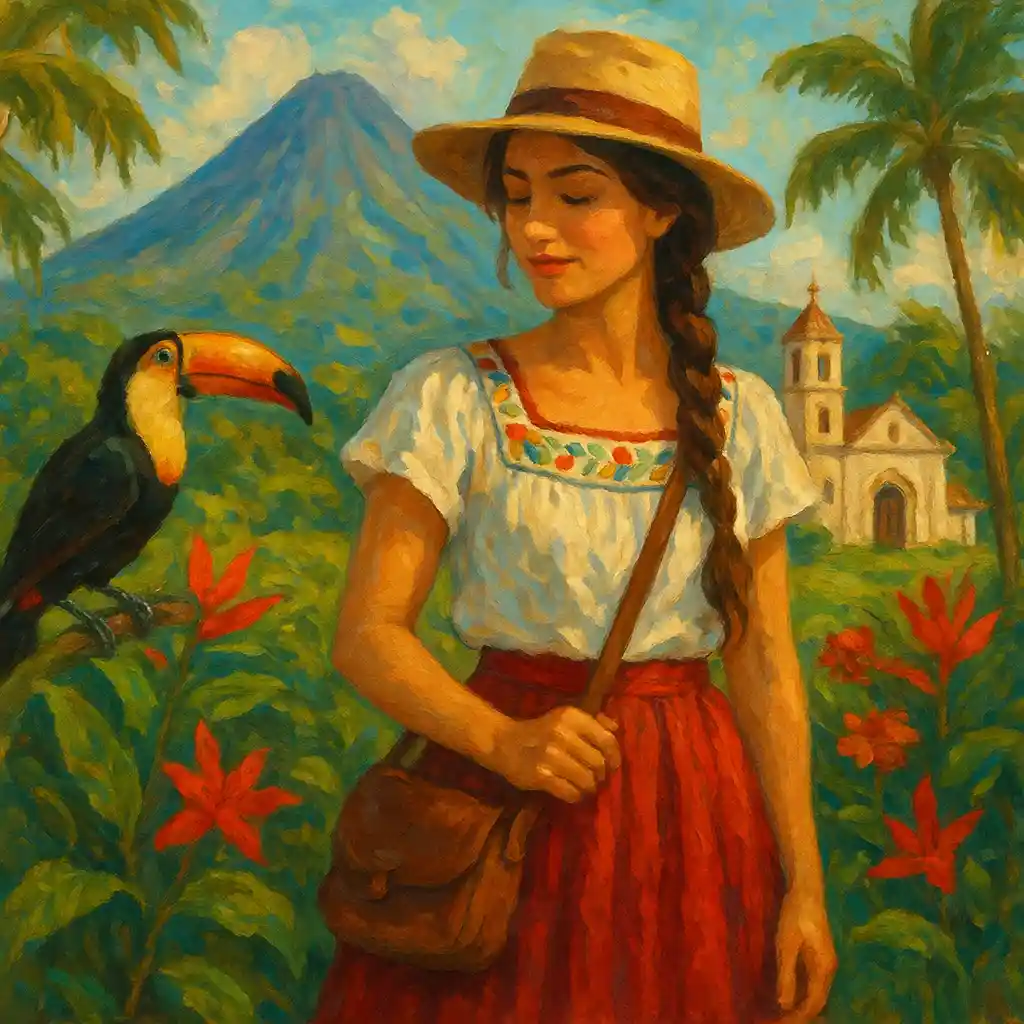
Cultural immersion in Costa Rica can turn a beautiful trip into a truly meaningful one—especially for women traveling solo or with friends who want to feel confident, safe, and connected. It’s normal to feel a little overwhelmed at first: new sounds, new rhythms, a different pace, and social rules you don’t fully know yet. But with a few practical tools, you can move from “tourist mode” to real cultural connection—while also traveling in a way that supports local communities and protects the environment.
This guide is built for women who value sustainability, social responsibility, and personal growth. You’ll find simple cultural tips, safety ideas, language support, and ways to engage with Costa Rica beyond the highlights. You don’t need to be fluent in Spanish or an expert traveler. You just need curiosity, respect, and a willingness to learn.
Key idea: Cultural immersion in Costa Rica is not about “blending in perfectly.” It’s about showing respect, making thoughtful choices, and creating real connections.
Why cultural immersion in Costa Rica matters for women travelers
When you travel with cultural awareness, you tend to feel more grounded and more confident. You understand what’s happening around you, and you can respond with respect. For women travelers, cultural immersion in Costa Rica can also support safety: reading social cues, knowing what is typical, and understanding what might draw unwanted attention.
It also makes your trip richer. You’re not only seeing landscapes; you’re meeting people, tasting traditions, and learning the values behind daily life. Costa Rica is famous for nature, but the culture—warm, community-focused, and shaped by history—is what often stays with travelers the longest.
A quick mindset shift that helps
You may arrive thinking, “I don’t know how to navigate this.” Try shifting to: “I’m here to learn.” That small change can reduce stress and help you approach interactions with calm curiosity.
A simple daily journaling prompt
If you like to reflect while traveling, try starting your day with this:
- Journal prompt: “What part of Costa Rican culture am I curious about today, and how can I engage with it respectfully?”
Understanding Costa Rican culture for deeper cultural immersion in Costa Rica
Cultural immersion in Costa Rica starts with understanding a few cultural foundations. Costa Rica is often described through the phrase pura vida. You’ll hear it as a greeting, a farewell, or a general response to life. It points to a mindset of simplicity, gratitude, and enjoying the present moment.
You’ll also notice a strong emphasis on family and community. Relationships matter. Conversations can feel warm and personal, even with people you just met. This doesn’t mean you must share everything—boundaries are still important—but it helps to know that friendliness is a cultural norm in many settings.
History and cultural influences (in plain language)
Costa Rica’s identity is shaped by indigenous roots from the pre-Columbian era and the Spanish colonial legacy. This blend influences language, traditions, celebrations, and everyday customs. You don’t need a full history course to travel well, but knowing that the culture is layered helps you stay humble and curious.
Cultural respect and sensitivity: small actions, big impact
Respect is not complicated. It often looks like simple things: greeting people, being patient, and observing before acting. In busy places—like markets in San José—your respectful approach can open doors to kinder service, better conversations, and more meaningful moments.
- Greet people with a friendly “Hola” and a smile.
- Use “Por favor” and “Gracias” often.
- Ask before photographing people, especially artisans and vendors.
- Be mindful in religious sites and rural communities.
Engaging with locals: cultural immersion in Costa Rica that feels natural
Many travelers want to “meet locals,” but they aren’t sure how to do it in a way that feels comfortable. The best approach is low-pressure and everyday: short conversations, respectful questions, and genuine interest.
Easy places to connect
- Local markets: Ask what fruits are in season, or how a craft is made.
- Sodas (small eateries): Ask what the daily special is, or what locals like to order.
- Shuttles and buses: Simple greetings and polite questions can lead to helpful tips.
- Community events: If you’re there during festivals or celebrations, observe first, then join respectfully.
Try this: one small conversation a day
Set a simple goal: one short, friendly conversation daily. It could be with a shop owner, a guide, or someone sitting near you. Over a week, that becomes a real pattern of cultural immersion in Costa Rica, without forcing anything.
Sustainable travel and cultural immersion in Costa Rica
Costa Rica is known for eco-tourism, and sustainability is a major part of how many visitors experience the country. But sustainability is not only about nature—it’s also about people. Cultural immersion in Costa Rica becomes more meaningful when your choices support local communities, local businesses, and responsible tourism practices.
Pack light, pack eco-friendly
- Reusable water bottle
- Eco-friendly toiletries
- Reusable bags
- Clothing that is breathable and practical (and respectful in different settings)
Support women-owned and community-based businesses
If you can, look for local women-owned shops, tours with female guides, and community-based experiences. Supporting local entrepreneurship helps keep tourism benefits closer to the people who live there.
Eco-friendly accommodations: what to look for
Choosing where you stay is one of your biggest sustainability decisions. Look for places that take sustainability seriously. Some accommodations highlight certifications such as LEED or Rainforest Alliance. If you’re not sure, you can ask directly about their practices.
- Do they recycle or reduce waste?
- Do they use renewable energy or save water?
- Do they hire locally and support local suppliers?
Responsible wildlife viewing and conservation
Seeing wildlife can be a highlight of cultural immersion in Costa Rica, but it’s important to do it responsibly. Choose ethical operators, keep a safe distance, and avoid tours that encourage touching, feeding, or disturbing animals.
- Observe quietly and respectfully.
- Never feed wildlife.
- Do not disrupt natural behavior for photos.
- Support conservation-focused initiatives when possible.
Personal safety for women: cultural immersion in Costa Rica with confidence
You can be open-hearted and still be careful. Safety is part of smart travel, not something to feel guilty about. For women travelers, cultural immersion in Costa Rica works best when you feel secure enough to relax and enjoy the experience.
General safety tips (especially for solo travelers)
- Trust your instincts: If something feels off, step away.
- Share your itinerary: Keep a friend or family member updated.
- Stay aware in crowds: Keep belongings secure in busy tourist areas.
- Avoid walking alone at night: Choose well-lit, populated areas.
- Carry copies of key documents: Keep originals stored safely when possible.
Navigating unfamiliar areas and handling risk calmly
Plan your routes, but leave room for flexibility. If you’re unsure about a neighborhood or route, ask staff at your accommodation for advice. When you feel anxious, a simple grounding technique can help: slow breathing, relaxed shoulders, and focusing on what you can control (where you’re going next, how you’ll get there, and who you can contact).
Safety apps and resources
Some travelers like to use safety apps such as bSafe or Safeture to share location with trusted contacts and send alerts if needed. It can also help to join online women’s travel communities to learn from recent experiences and get practical, real-world tips.
Consider carrying a personal safety alarm or taking a self-defense class before your trip if that helps you feel more confident.
Cultural etiquette and customs: cultural immersion in Costa Rica without awkward moments
Etiquette is one of the fastest ways to improve cultural immersion in Costa Rica. You don’t need to memorize rules. You just need a few basics and the habit of observing what locals do.
Simple etiquette dos and don’ts
- Do greet people politely; friendliness is appreciated.
- Do be patient—some things move at a slower pace.
- Do ask permission before photographing people.
- Don’t assume casual behavior is always appropriate in every setting.
- Don’t use overly personal gestures (like hugs) unless the other person initiates.
Dress code recommendations for different settings
What you wear can affect both respect and comfort. Costa Rica has beaches, cities, and rural areas—each with a slightly different feel.
- Cities and towns: Comfortable, casual clothing is fine; aim for neat and practical.
- Religious sites: Cover shoulders and knees to show respect.
- Rural communities: Modest, simple clothing can help you feel more comfortable and reduce unwanted attention.
- Beach areas: Swimsuits are normal at the beach; bring a cover-up for restaurants and shops.
Understanding traditions and celebrations
Ask locals about traditions, including Independence Day celebrations and everyday cultural staples like coffee. Even a short conversation can teach you something meaningful and help you see the country through local eyes.
Language tips for cultural immersion in Costa Rica
Language is one of the strongest tools for cultural immersion in Costa Rica. You don’t need perfect Spanish. Locals often appreciate the effort, and even basic phrases can create warmer interactions.
Basic Spanish phrases that help immediately
- Hola (Hello)
- Buenos días (Good morning)
- Por favor (Please)
- Gracias (Thank you)
- ¿Cómo estás? (How are you?)
- ¿Cuánto cuesta? (How much does it cost?)
- ¿Dónde está…? (Where is…?)
Language learning resources and apps
Apps like Duolingo and Babbel can help you practice vocabulary and build confidence before you arrive. Even 10–15 minutes a day adds up. A small phrasebook or offline notes on your phone can also help when you don’t have service.
Active listening and non-verbal communication
Communication is not only words. Pay attention to tone, facial expressions, and gestures. When you don’t understand, it’s okay to ask someone to repeat slowly. Staying polite and calm makes these moments easier for everyone.
If you enjoy tracking progress, try keeping a small list in your journal of new words you learn each day.
Authentic cultural experiences: cultural immersion in Costa Rica beyond the highlights
Some of the best moments of cultural immersion in Costa Rica come from everyday experiences: food, music, crafts, and shared time. If you want deeper cultural connection, look for experiences that involve learning and participation—not only watching.
Cultural activities and events to look for
- Traditional dance performances (folkloric dance)
- Local markets with artisan crafts
- Coffee plantation tours to understand coffee culture and production
- Cooking classes for traditional dishes
- Festivals, parades, and community celebrations during your visit
Homestays for deeper cultural immersion in Costa Rica
A homestay can offer a more personal view of daily life than a hotel. Sharing meals, learning household customs, and practicing Spanish in real situations can create strong memories and real connection.
If you choose a homestay, it helps to research basic etiquette in advance and arrive with an open mind. Consider bringing a small gift if you’re invited into someone’s home, such as chocolates or flowers, as a thoughtful gesture.
Volunteering and community engagement
If giving back is part of your travel values, look for volunteer options connected to causes you care about, such as environmental conservation, education, or women’s empowerment. You can also ask local organizations or community centers about short-term opportunities.
Community engagement can also be simple: attending local events, choosing local guides, or supporting local cooperatives. These choices strengthen cultural immersion in Costa Rica while supporting the people who live there.
Exploring Costa Rican cuisine as cultural immersion in Costa Rica
Food is one of the easiest and most joyful ways to experience culture. Cultural immersion in Costa Rica often happens at the table—especially in local sodas and markets where everyday life is happening around you.
Traditional dishes to know
- Gallo pinto: Rice and beans, commonly eaten for breakfast
- Casado: A typical lunch plate with rice, beans, salad, plantains, and a protein
- Empanadas: A common savory snack
- Olla de carne: A comforting beef soup with vegetables
- Agua de sapo: A ginger drink
- Refrescos: Fruit juices
- Tres leches cake and arroz con leche for dessert
Food etiquette and dining customs
In many dining settings, it’s polite to wait until everyone is served before starting. If you’re not sure what to do, observe the table and follow the pace. A simple “Gracias” to staff goes a long way.
Must-try markets and how to explore them
Markets are perfect for tasting tropical fruits like mangoes, pineapple, and papaya, and for buying coffee, spices, and handmade crafts. Challenge yourself to try one new fruit or snack each day. It’s a fun way to build confidence and deepen cultural immersion in Costa Rica.
Sustainable shopping and souvenirs that support cultural immersion in Costa Rica
Souvenirs can be meaningful, but many travelers come home with items they don’t really use. A better approach is to buy fewer things, but choose items with a story. Sustainable shopping supports artisans and keeps cultural traditions alive, which strengthens cultural immersion in Costa Rica in a real, practical way.
How to support local artisans and sustainable businesses
- Shop at local markets and cooperatives when possible.
- Buy directly from artisans and ask about their craft.
- Look for items made from eco-friendly or recycled materials.
- Choose practical items you will use at home (bags, textiles, jewelry).
Eco-friendly souvenir ideas
- Handmade jewelry, textiles, or pottery
- Items made from recycled materials (bags, accessories)
- Locally sourced food products like coffee, chocolate, or spices
Avoiding unethical products and practices
If you’re unsure about how something was made or sourced, ask. You can also look for certifications such as Fair Trade or Rainforest Alliance where relevant. Ethical shopping helps align your trip with your values and supports more responsible tourism.
Wellness and self-care: cultural immersion in Costa Rica that supports personal growth
Travel can be exciting, but it can also be tiring. Self-care helps you stay present, which is essential for cultural immersion in Costa Rica. When you feel well, you connect better, make clearer decisions, and enjoy your trip more.
Simple mindfulness practices for travel days
- Start your morning with a few minutes of slow breathing.
- Take short “pause moments” during the day to notice sounds, smells, and colors.
- End the day by writing down three things you feel grateful for.
Yoga and wellness retreats
Costa Rica is a popular place for yoga and wellness retreats, offering a chance to rest, reflect, and reset. If you join a retreat, pack comfortable clothing, a journal, and eco-friendly products that match Costa Rica’s sustainability focus.
Connecting with nature for mental and emotional well-being
Nature is a powerful part of cultural immersion in Costa Rica. Whether you’re near the ocean, in the rainforest, or on a quiet trail, spending time outdoors can help you feel calm and clear.
Try finding a quiet spot—beach or forest—and sitting for a few minutes with no phone, no photos, and no agenda. Just notice what’s around you.
Transportation tips for cultural immersion in Costa Rica
Transportation is not just logistics—it’s part of the experience. Buses, shuttles, and shared rides can create unexpected moments of cultural immersion in Costa Rica, like hearing everyday Spanish, seeing daily routines, and learning local rhythms.
Transportation options
- Public buses: Affordable and extensive; a good way to experience local life
- Taxis: Convenient for short trips; use licensed taxis and agree on the fare
- Rental cars: Flexible, but roads can be challenging in rural areas
- Shuttle services: Comfortable for longer distances and popular routes
Tips for safe and efficient travel
- Plan routes in advance and allow extra time—roads can be winding and unpredictable.
- Keep valuables close, especially on buses and in crowded areas.
- Carry water and snacks for longer rides.
- Keep emergency contacts and key information accessible.
Sustainable transportation choices
When possible, consider walking, biking, or using public transportation. These choices reduce your footprint and can make cultural immersion in Costa Rica feel more authentic and connected.
Cultural immersion in Costa Rica beyond tourism: deeper connection and giving back
Many travelers leave Costa Rica wishing they had gone deeper. Real cultural immersion in Costa Rica often happens when you step beyond the standard itinerary and engage with the country as a living place—full of people, challenges, and community efforts.
Engaging with local communities and social projects
If you want to connect in a meaningful way, look for social projects or community initiatives that match your values. Some travelers focus on women’s empowerment, education, or environmental work. Even small engagement—learning, listening, and supporting local efforts—can shape your trip in a powerful way.
Learning about social and environmental challenges
Costa Rica, like every country, faces real challenges. Topics travelers often care about include deforestation, wildlife conservation, gender equality, and the impacts of tourism. Learning about these issues helps you make more informed choices and travel with respect.
Ways to support local initiatives
- Buy from local artisans and small businesses.
- Choose tours and accommodations that prioritize sustainability.
- Volunteer with local organizations when appropriate.
- Share what you learn with friends and family to encourage conscious travel.
Conclusion: make cultural immersion in Costa Rica part of your travel story
Cultural immersion in Costa Rica is built from small, steady choices: learning a few Spanish phrases, eating in local sodas, respecting customs, supporting sustainable businesses, and staying mindful about safety. When you travel this way, you don’t just visit Costa Rica—you connect with it.
If you’re planning your itinerary now, take one next step: explore more guides on this site and choose one cultural experience—like a market visit, cooking class, or homestay—that helps you go deeper on your trip.