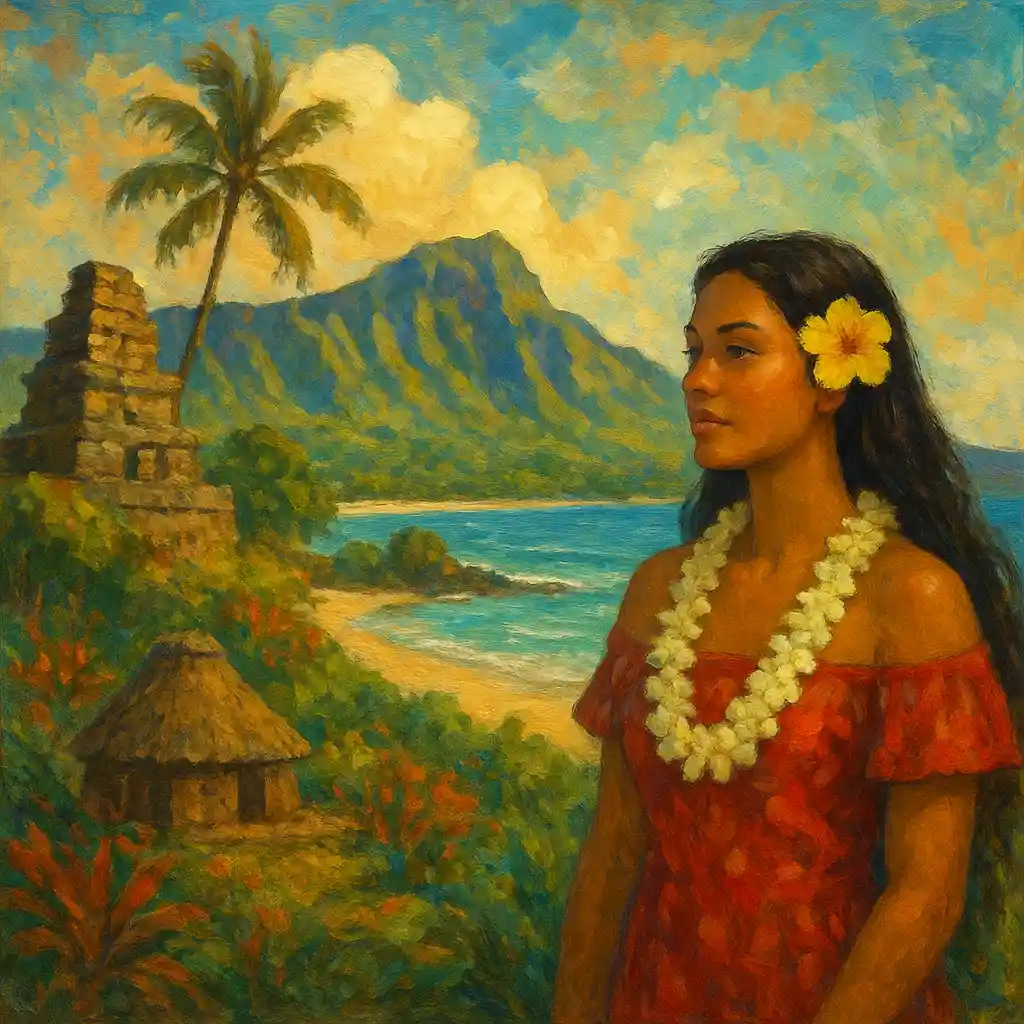
Cultural experiences in Hawaii can turn a beautiful vacation into a meaningful journey. If you are a culturally curious woman who values sustainability, social responsibility, cultural respect, and personal growth, the islands offer many ways to connect beyond the beach. From hula and lei-making to sacred places and local markets, cultural experiences in Hawaii help you understand the spirit of aloha and support the communities that keep these traditions alive.
The most memorable cultural experiences in Hawaii often come from small, respectful moments: listening closely, learning slowly, and showing gratitude for the land and the people.
In this guide, you will find essential destination highlights across Oahu, Maui, Kauai, and the Big Island, plus practical tips for responsible travel, cultural etiquette, and solo safety. Bring your curiosity, pack with intention, and consider keeping a simple travel journal so you can reflect on what you learn along the way.
Understanding Cultural Experiences in Hawaii Before You Go
To enjoy cultural experiences in Hawaii in a respectful way, it helps to start with a basic understanding of history, values, and the deep relationship between people and place. Hawaii is not just a tropical backdrop. It is a living culture with traditions, stories, and sacred sites that deserve care.
A brief overview of Hawaiian history and cultural significance
Hawaiian culture is rooted in Polynesian voyaging and generations of knowledge passed through families and communities. The islands also hold royal history and the impact of Western colonization. Visiting places like Iolani Palace (the only royal palace in the United States) can make this history feel real and personal. Learning about figures such as Queen Liliuokalani and King Kamehameha can add depth to your trip and help you see the islands with greater awareness.
Many cultural experiences in Hawaii are connected to practices like hula, lei-making, taro farming, and slack-key guitar music. These are not just “activities.” They are expressions of identity, storytelling, and relationship with the land and sea.
Why cultural respect and responsible tourism matter
Responsible tourism protects both people and place. Cultural experiences in Hawaii are most rewarding when you approach them with humility and respect. Simple actions can make a difference, such as:
- Learning a few Hawaiian words (like aloha and mahalo) to show care and effort.
- Following local guidance at sacred sites and cultural spaces.
- Reducing waste by using reusable bottles and bags.
- Supporting local artisans and businesses instead of mass-produced souvenirs.
One helpful mindset is to travel with pono (righteousness and balance) and remember ohana (family and community). This is not about being perfect. It is about being thoughtful.
How to engage with the local community in a meaningful way
Many travelers want cultural experiences in Hawaii that feel real, not staged. A good starting point is to choose experiences that are community-led and educational. Consider:
- Attending cultural workshops (lei-making, hula, traditional crafts).
- Visiting local farmers markets and speaking with vendors.
- Choosing locally owned accommodations and family-run restaurants.
- Volunteering for conservation or community projects during your stay.
Try this journaling prompt on your first day: “What do I hope to learn here, and how can I travel in a way that gives back?”
Cultural Experiences in Hawaii on Oahu: History, Community, and Living Traditions
Oahu is often called “The Gathering Place,” and it is a strong starting point for cultural experiences in Hawaii. Along with beaches and city energy, you can find powerful historical sites, cultural centers, and community markets that support local makers.
Visit Pearl Harbor and the USS Arizona Memorial
A visit to Pearl Harbor and the USS Arizona Memorial is a moving experience. It offers a chance to reflect on World War II history and the human stories connected to it. Many visitors feel a quiet, respectful atmosphere here.
Try this simple grounding practice before you enter: take a few deep breaths, soften your shoulders, and set an intention to listen and learn. If you keep a journal, write about what you notice emotionally and what the visit teaches you about resilience and remembrance.
Explore the Polynesian Cultural Center for wider Pacific Island context
For travelers seeking cultural experiences in Hawaii with a broader Pacific lens, the Polynesian Cultural Center offers exposure to multiple island cultures through villages, demonstrations, music, dance, and food. If you go, approach it as a learning opportunity: ask questions, listen carefully, and focus on understanding rather than rushing from one area to the next.
As you explore, pay attention to details: weaving techniques, instruments, storytelling styles, and the way cultural knowledge is shared. These small observations can help you connect more deeply.
Attend a traditional Hawaiian luau with an open mind
A traditional Hawaiian luau can be an engaging cultural experience in Hawaii when it is approached with respect and curiosity. You may see hula performances, hear live music, and try foods that reflect local traditions. The best luaus feel educational, not just entertaining.
One helpful tip: arrive ready to participate, even in small ways. If there is a chance to learn a basic step, try it. If you taste a new food, pause and notice the flavors. Afterward, journal about what you learned and which moments felt most meaningful.
Cultural Experiences in Hawaii on Maui: Sacred Landscapes, Music, and Craft
Maui blends dramatic landscapes with cultural depth. Many cultural experiences in Hawaii on Maui are connected to nature, ceremony, and the arts. If you enjoy slower travel and reflection, Maui offers space to breathe and absorb what you are learning.
Drive the Road to Hana with cultural stops
The Road to Hana is famous for lush scenery, waterfalls, and coastal views. It can also be a path to cultural experiences in Hawaii if you travel respectfully, take your time, and look for learning moments along the way. The journey is part of the experience, not just the destination.
Consider stopping at gardens, small towns, and local artisan spots. When you meet people along the route, a friendly conversation can add meaning to the day. If you tend to rush, try a simple mindset shift: choose fewer stops, stay longer, and be fully present.
Visit Haleakalā National Park for sunrise or sunset
Haleakalā National Park is often described as spiritual, especially at sunrise or sunset. Watching the sky change over the crater can feel like a quiet ceremony with nature. For many travelers, this becomes one of the most personal cultural experiences in Hawaii, because it invites reflection and humility.
Try this: arrive early, find a calm place, and sit without distractions. Take slow breaths and notice how your body responds to the stillness and the scale of the landscape. Later, write a few lines in your journal: “What did this place awaken in me?”
Attend a slack key guitar concert to connect through music
Hawaiian slack key guitar is a beautiful way to experience culture through sound and storytelling. Attending a concert supports local musicians and helps keep traditions alive. Even if you do not know the history behind the music, you can feel the emotion and care in the performance.
During the concert, try closing your eyes for a moment and simply listening. Notice rhythm, mood, and the feeling in your chest. Cultural experiences in Hawaii are not always about “doing.” Sometimes they are about receiving and appreciating.
Cultural Experiences in Hawaii on Kauai: Land, Sacred Beauty, and Traditional Craft
Kauai is known for lush green landscapes and a slower pace. Many cultural experiences in Hawaii on Kauai are connected to the land and the idea of caring for what is sacred. If you want nature and culture to feel closely linked, Kauai is a powerful choice.
Explore the Na Pali Coast with cultural awareness
The Na Pali Coast is visually stunning, with dramatic cliffs, beaches, and waterfalls. It also holds cultural significance. If you hike or explore this area, take time to learn about its importance and treat it as more than a photo opportunity.
Before your visit, do a little reading and ask yourself: “How can I show respect here?” Practical steps include packing out your trash, staying on marked paths, and keeping your voice low in quiet spaces where others may be reflecting.
Visit Waimea Canyon, the “Grand Canyon of the Pacific”
Waimea Canyon is often called the “Grand Canyon of the Pacific.” Standing at a lookout can feel humbling. It is a good place to practice mindful travel: pause, breathe, and notice the colors, wind, and silence.
Consider writing a short reflection about preservation: what does it mean to protect places like this for future generations? Cultural experiences in Hawaii often include this kind of personal responsibility, not just sightseeing.
Join a traditional lei-making workshop
A lei-making workshop is one of the most hands-on cultural experiences in Hawaii. You learn craftsmanship, symbolism, and the care involved in creating something meaningful. A lei is not only decoration. It can represent welcome, love, gratitude, and connection.
During the workshop, allow yourself to slow down. Notice textures, scents, and the rhythm of weaving. If you travel for personal growth, this kind of focused, creative practice can feel calming and deeply satisfying.
Cultural Experiences in Hawaii on the Big Island: Volcanoes, History, and Hula
The Big Island offers strong contrasts: volcanic landscapes, historic towns, and living cultural traditions. Cultural experiences in Hawaii here can feel especially powerful because the land itself tells a story of creation, change, and resilience.
Visit Volcanoes National Park and learn about Pele
Volcanoes National Park invites you to witness the power of the earth. Many visitors connect this experience to Pele, the Hawaiian goddess of fire. Learning about Pele before you arrive can deepen your understanding and help you approach the landscape with respect.
Try this before your visit: read a short overview of Pele’s significance and reflect on what fire represents to you—destruction, renewal, strength, transformation, or all of these. Cultural experiences in Hawaii often mirror inner change, and this place can bring that to the surface.
Explore the historic town of Hilo
Hilo offers a glimpse into Hawaii’s past and everyday life. It is a good place to visit a local market, walk through town, and learn through museums and community spaces. The Hilo Farmers Market is a lively stop where you can support local growers and makers while tasting fresh produce and seeing handmade crafts.
If you enjoy structure, consider a guided walking tour to learn about local landmarks and stories. If you prefer to wander, choose one area and explore slowly. Both approaches can lead to meaningful cultural experiences in Hawaii.
Attend a traditional hula performance
Hula is a deeply important art form in Hawaii. A traditional hula performance is more than dance—it is storytelling through movement, music, and chant. Watching with attention and respect can be one of the most memorable cultural experiences in Hawaii.
Before the performance, set a simple intention: “I am here to listen and learn.” Afterward, reflect on what you understood from the story, even if it was mostly emotional rather than intellectual. Over time, these moments build a deeper connection to place.
Sustainable Cultural Experiences in Hawaii: Travel Practices That Protect What You Love
Sustainability is not separate from cultural experiences in Hawaii. Caring for the land and supporting local communities helps protect the traditions and environments that make the islands special. Many travelers find that sustainable choices also make the trip feel more aligned with their values.
Reduce your environmental impact while traveling
Small actions add up. Consider these practical steps during your trip:
- Carry a reusable water bottle and refill it instead of buying single-use plastic.
- Bring a reusable tote bag for markets and shopping.
- Choose eco-friendly accommodations when possible.
- Be mindful on trails and beaches: leave only footprints and pack out what you bring in.
When cultural experiences in Hawaii include nature—like Haleakalā, the Na Pali Coast, or Volcanoes National Park—your environmental choices become part of your cultural respect.
Support local businesses and sustainability-focused initiatives
One of the simplest ways to travel responsibly is to spend your money in ways that support the community. Seek out locally owned restaurants, markets, and artisans. When you choose handmade items and local food, you help protect livelihoods and keep cultural knowledge in motion.
Every purchase you make while traveling is a vote for the kind of future you want to support.
If you like planning, make a short list before your trip of local businesses you want to support. This can also reduce stress because you already know where you want to shop and eat.
Volunteer opportunities that create real connection
Volunteering can turn cultural experiences in Hawaii into shared community experiences. Options vary by island and season, but common opportunities include:
- Helping at a local farm and learning about traditional agriculture practices.
- Joining a beach cleanup to protect marine life and coastal ecosystems.
- Supporting community initiatives that focus on conservation and care for the land.
If you volunteer, show up with humility and a willingness to learn. The goal is not to “save” a place. It is to participate respectfully and give back in a real, practical way.
Safety Tips for Women Traveling Alone While Seeking Cultural Experiences in Hawaii
Solo travel can be empowering, especially when you are traveling for personal growth. Cultural experiences in Hawaii can be enjoyed safely with a few smart habits. The goal is to feel confident, prepared, and relaxed enough to be present.
General solo safety tips
- Trust your instincts. If something feels off, step away.
- Share your itinerary with a trusted friend or family member.
- Secure your belongings and avoid displaying expensive items.
- Stay hydrated, wear sunscreen, and pack a small first aid kit.
- Consider group tours for certain activities, especially in unfamiliar areas.
Navigating unfamiliar areas with awareness
When you are exploring a new neighborhood, trail, or town, keep it simple. Have a map or GPS ready, and research the area before you go out. A helpful practice is to pause occasionally, look around, and notice what is happening. This keeps you present and aware without feeling anxious.
If you plan cultural experiences in Hawaii that include early mornings (like sunrise at Haleakalā) or evening events (like concerts), think ahead about transportation and timing so you are not rushed.
Resources to seek help if needed
It can be comforting to know where to turn if you need assistance. Keep these options in mind:
- Local visitor centers for directions, guidance, and recommendations.
- Hotel concierge or host for transportation help and local advice.
- Emergency services: dial 911 in urgent situations.
- Cultural centers for support, education, and respectful guidance on customs.
Cultural Etiquette: How to Show Respect During Cultural Experiences in Hawaii
Cultural etiquette is not about memorizing rules. It is about behaving with care. When you practice respect, cultural experiences in Hawaii feel more welcoming, more meaningful, and more connected to real life on the islands.
Dos and don’ts when interacting with locals
- Do greet people warmly and be patient and polite.
- Do learn a few words like aloha and mahalo.
- Do listen more than you speak when learning cultural stories.
- Don’t rely on stereotypes from movies or social media.
- Don’t treat sacred places as props for photos or loud behavior.
Understanding traditional customs and practices
Learning about Hawaiian values can guide your choices. The draft you are reading from highlights ideas like:
- Aloha: love, compassion, and a welcoming spirit.
- Pono: righteousness, balance, and doing what is right.
- Ohana: family and community connection.
It also mentions ho’oponopono, a practice focused on forgiveness and reconciliation. You may not encounter it directly as a tourist, but reflecting on it can inspire a calmer, kinder way of traveling and relating to others.
Respecting the land during your visit
Many cultural experiences in Hawaii are deeply tied to the environment. Showing respect for the land can look like:
- Staying on trails and following posted guidance.
- Reducing waste and carrying out what you carry in.
- Speaking softly in places that feel sacred or reflective.
- Making choices that support preservation and community well-being.
A helpful concept mentioned in the draft is malama aina (caring for the land). You can practice this through small, steady actions every day of your trip.
Personal Growth Through Cultural Experiences in Hawaii
Many women travel not just to see new places, but to grow. Cultural experiences in Hawaii naturally support reflection because they invite you to slow down, listen, and connect—both outwardly and inwardly.
Why travel can be transformative
When you step into a new culture, you often see your own life differently. Trying a new food, learning a craft, or listening to a story through hula can open you to a wider worldview. These moments can also help you feel more grounded, grateful, and brave.
Try starting your day with a short breathing practice, especially before a meaningful cultural activity. A calm mind helps you notice more and judge less.
Reflecting on cultural experiences and how they shape your worldview
Reflection turns experience into learning. If you keep a travel journal, you do not need to write pages. Even a few lines each night can help you remember what mattered. Consider writing about:
- A moment that challenged you.
- A moment that surprised you.
- A moment that made you feel connected to people or place.
Cultural experiences in Hawaii can stay with you for years when you take time to process them with care.
Integrating lessons from travel into everyday life
When you return home, you can keep the spirit of your trip alive in simple ways:
- Cook a dish inspired by Hawaii’s flavors and remember the people you met.
- Practice a small daily gratitude ritual, like you did on the islands.
- Choose more sustainable habits, such as reducing single-use plastics.
- Re-read your journal when you need perspective or calm.
The goal is not to “escape” into travel. It is to bring the best parts of travel back into your real life.
Recommended Reading and Resources to Deepen Cultural Experiences in Hawaii
If you want to continue learning before or after your trip, the draft includes several helpful titles and resource ideas. These can deepen cultural experiences in Hawaii by giving you context and stories you might not otherwise hear.
Books to explore Hawaiian culture, history, and food
- Hawaiian Mythology by Martha Beckwith
- The Food of Paradise: Exploring Hawaii’s Culinary Heritage by Rachel Laudan
- Hawaii’s Story by Hawaii’s Queen by Liliuokalani
- Hawaiian Legends of Volcanoes by William D. Westervelt
Websites and documentaries mentioned for further learning
- GoHawaii.com
- To-Hawaii.com
- Hawaiian: The Legend of Eddie Aikau
- Nā Loea: The Masters
Cultural organizations and initiatives to visit
The draft highlights cultural spaces that can support learning and preservation, including the Bishop Museum and the Polynesian Cultural Center. If you include places like these in your itinerary, plan enough time so you can move slowly and absorb what you are seeing.
Conclusion: Let Cultural Experiences in Hawaii Guide a More Meaningful Journey
Cultural experiences in Hawaii can be the heart of your trip: visiting Pearl Harbor, learning through hula and music, joining a lei-making workshop, exploring Haleakalā, walking through Hilo, and honoring landscapes like the Na Pali Coast and Waimea Canyon. When you travel with respect, sustainability, and curiosity, you support living traditions and return home with more than photos—you return with perspective.
If you are planning your next trip, revisit this guide and build a simple itinerary around the cultural experiences in Hawaii that match your values. Then take one small next step today: start a Hawaii travel journal page and write what you hope to learn, how you want to show respect, and what “aloha” could mean in your everyday life.