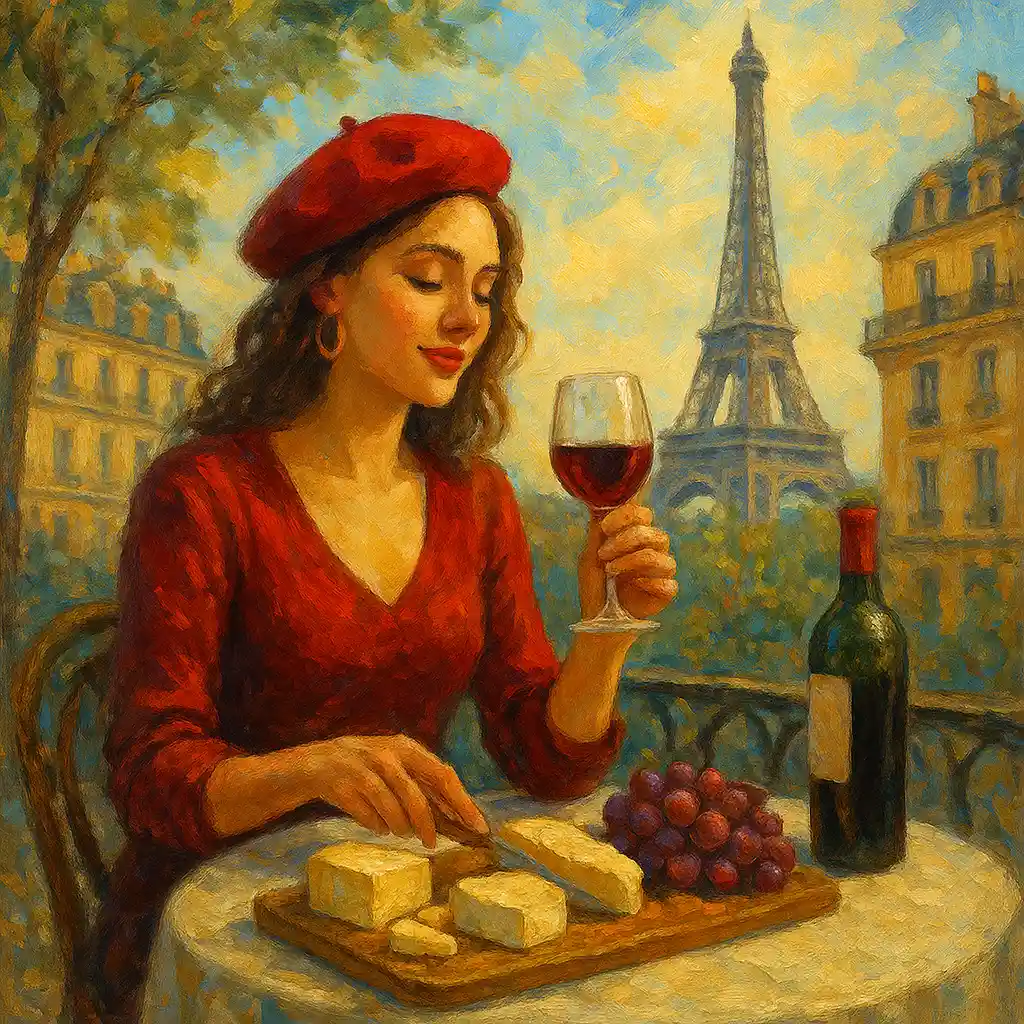
Food and wine tasting tips for women in Paris can turn a simple meal into a cultural moment you will remember for years. Paris is full of beautiful bakeries, lively markets, cozy bistros, and wine bars that invite you to slow down and enjoy life. If you value sustainability, social responsibility, and personal growth, your choices around food and wine can also support local communities and reduce your travel footprint.
This guide brings together practical, confidence-building advice for women travelers—especially those who want authentic experiences, not tourist traps. You will learn how to understand French food culture, plan a flexible itinerary, taste mindfully, follow wine etiquette, explore markets and festivals, stay safe, and travel with respect. Bon appétit—and let’s make every bite and sip count.
Every bite and sip can be a celebration of culture and sustainability—especially when you choose local, seasonal, and community-focused experiences.
Why French Food Culture Matters: Food and Wine Tasting Tips for Women in Paris
In France, food is not only fuel. It is tradition, identity, and a daily ritual. Meals are often slower and more social than in many other places. Understanding this mindset is one of the most useful food and wine tasting tips for women in Paris, because it helps you enjoy the city the way locals do.
Food is part of “joie de vivre”
You probably know the feeling when a meal transports you—when a pastry, a sauce, or a simple cheese plate suddenly feels like a story. In Paris, that is normal. The French idea of joie de vivre (joy of living) is often expressed through meals: a morning croissant, a long lunch, a relaxed dinner with wine.
Embrace the slow food mindset
One thing that helps many travelers is embracing a slower pace. Instead of rushing to “check off” famous dishes, try to savor them. Choose restaurants that use traditional cooking methods and locally sourced ingredients when possible. Ask questions. Notice textures. Enjoy the setting.
Respect local customs and traditions
Paris is welcoming, but it also has clear cultural rhythms. Respecting them makes your experience smoother and more meaningful.
- Start with a greeting: Say “Bonjour” when you enter a shop, café, or wine bar.
- Dress with care at cultural sites: When visiting religious or formal places, modest clothing is a respectful choice (a light scarf can help).
- Use simple French phrases: “S’il vous plaît,” “merci,” and “excusez-moi” go a long way.
- Be mindful in public spaces: Keep your voice lower in quiet places like museums, gardens, and small restaurants.
Planning Your Culinary Trip: Food and Wine Tasting Tips for Women in Paris
Paris offers endless choices, so a little planning helps you avoid overwhelm. The best food and wine tasting tips for women in Paris are not about building a strict schedule—they are about creating a flexible plan that leaves room for discovery.
Research and book authentic experiences
To find experiences that feel real (and not overly touristy), focus on community-based options.
- Look for family-owned restaurants and small wine bars for a more personal atmosphere.
- Choose food tours led by knowledgeable guides who share the stories behind dishes and neighborhoods.
- Consider a cooking class to learn traditional recipes using fresh, local ingredients.
- Ask locals for recommendations—hotel staff, market vendors, or even your café server may share great ideas.
Create a flexible neighborhood-based itinerary
Paris changes from neighborhood to neighborhood. A flexible plan helps you taste widely without feeling rushed. For example, you might explore Montmartre one day and Le Marais another day, with a few “anchor” places saved and plenty of time for spontaneous stops.
Try this: write down one food goal per day, such as “try a new cheese,” “visit a market,” or “order a classic bistro dish.” Small goals keep the trip fun and easy.
Consider dietary restrictions and preferences
If you have dietary needs (vegetarian, vegan, gluten-free, allergies), Paris can still be wonderful—but you may need to plan a bit more.
- Research restaurants in advance that fit your needs.
- Communicate clearly with staff and ask questions about ingredients.
- Use markets and grocery shops for fresh produce and simple meals when you want more control.
It can also help to keep a simple food journal and note what makes you feel good, especially when you are tasting many new foods in a short time.
Essential Food Tasting Tips for Women in Paris (So You Enjoy Every Bite)
Paris is full of tempting food at every corner. These food and wine tasting tips for women in Paris focus on how to taste—not just what to order—so your experience feels richer and more memorable.
Savor each bite mindfully
One of the simplest ways to improve any meal is to slow down. Put your fork down between bites. Notice the aroma before you taste. Pay attention to texture: crisp, creamy, flaky, tender. This is especially powerful when you are trying something new.
Try this: before your first bite, close your eyes for one breath and focus on the smell. Then taste slowly. It sounds small, but it changes the whole experience.
Try local delicacies and traditional dishes
Food is a direct path to culture. When you try traditional dishes, you are also tasting history and regional identity. In Paris, you may see classics like coq au vin or boeuf bourguignon on bistro menus, and you will find pastries and breads everywhere.
If you feel unsure, start with one “classic” per day. A neighborhood bakery croissant with a café au lait is a perfect first step—and a very Parisian breakfast.
Engage with vendors and chefs
Markets and small shops are ideal for connection. Ask a cheese vendor what they recommend, or ask how a product is made. Many vendors are proud of their craft and happy to share a quick story.
Cooking classes can also be a great way to learn directly from chefs and understand techniques passed down through generations. These experiences often feel more personal than a standard restaurant meal.
Wine Tasting Etiquette: Food and Wine Tasting Tips for Women in Paris
Wine can feel intimidating, especially when the wine list is long and the names are unfamiliar. The good news: you do not need to be an expert. These food and wine tasting tips for women in Paris will help you feel relaxed, confident, and respectful in wine bars, restaurants, and tastings.
Know the basics of French wine regions and varietals
France has many wine regions, and each has its own style. Familiar names include Bordeaux, Burgundy, the Loire Valley, and Champagne. Learning a few basics can help you choose a wine that fits your meal and your taste.
Examples you may see:
- Chardonnay (often linked with Burgundy)
- Cabernet Sauvignon (often linked with Bordeaux)
- Sauvignon Blanc (often linked with the Loire Valley)
If you want an easy approach, tell the server what you like (light, fruity, dry, bold) and ask for a suggestion. Asking questions is normal and usually welcomed.
Use simple wine tasting techniques (swirl, sniff, sip)
Wine tasting is about noticing aromas and flavors. A basic method helps you focus:
- Swirl: Gently swirl the glass to release aromas.
- Sniff: Smell the wine and notice what comes to mind (fruit, flowers, spice).
- Sip: Take a small sip, let it sit on your palate, and notice how it feels and changes.
Also, hold the glass by the stem when possible so your hand does not warm the wine.
Pair wine with food to enhance the meal
Pairing does not need strict rules, but a few simple ideas can help:
- Match intensity: Light dishes often work well with lighter wines; richer dishes can handle bolder wines.
- Look for shared flavors: If a dish has citrus notes, a wine with fresh, bright notes may feel harmonious.
- Ask for help: In many places, staff can recommend a pairing based on what you ordered.
Remember to cleanse your palate between tastings with water and a little bread or plain crackers when available.
Sustainable Dining in Paris: Food and Wine Tasting Tips for Women in Paris
Many travelers want to enjoy Paris fully while also making responsible choices. These food and wine tasting tips for women in Paris focus on sustainability without taking away the pleasure of travel.
Support eco-friendly restaurants and farm-to-table places
One thing that helps is choosing restaurants that prioritize local, seasonal ingredients and reduce waste. Before you go, you can do a quick search for farm-to-table or eco-friendly dining options in the neighborhoods you plan to visit. When you sit down, you can also ask simple questions about sourcing.
Choosing seasonal dishes is a practical way to support local agriculture and often gives you the freshest flavors.
Minimize food waste and choose sustainable seafood
Paris portions can vary, and it is easy to over-order when everything looks good. If you are traveling with friends, consider sharing dishes. If you are solo, choose smaller portions when possible and order thoughtfully.
For seafood, you can look for labels like MSC or ASC when they appear, and you can ask the server about the seafood’s origin. Small questions can support better choices.
Try organic and biodynamic wines
If you enjoy wine, consider trying organic or biodynamic options when they are available. This is a simple way to support winemaking practices that aim to work more closely with nature. Many wine bars and restaurants can recommend a bottle or a glass if you ask.
Try this: ask your server, “Do you have an organic or biodynamic wine you recommend?” It is an easy question that often leads to a great conversation.
Markets and Food Festivals: Food and Wine Tasting Tips for Women in Paris
Parisian markets and festivals are some of the best places to taste widely, meet producers, and feel the city’s energy. If you want food and wine tasting tips for women in Paris that feel lively and local, start here.
Explore Marché Bastille and Marché des Enfants Rouges
Markets like Marché Bastille and Marché des Enfants Rouges offer more than food. They offer a window into daily Parisian life: colorful produce, bread, cheeses, and conversations that move quickly and warmly.
One thing that helps is to go with curiosity, not a strict list. Walk one full loop first, then decide what to buy. If you can, talk to vendors about what is in season or what they are proud of that day.
Attend Taste of Paris and Omnivore Food Festival
Food festivals such as Taste of Paris and Omnivore Food Festival can be exciting places to sample many dishes in one visit. They often bring together talented chefs and creative food ideas, and they are great for travelers who want variety.
Try this: check the schedule ahead of time, pick a few “must-try” items, and leave space for surprises. A short note in your journal after the festival can help you remember the best flavors.
Sample artisanal cheeses, produce, and gourmet treats
Markets are perfect for tasting artisanal products: cheeses, fruits, pastries, chocolates, and more. If you want to support local artisans, choose small stalls and family-run shops when you can. These purchases often keep traditional skills alive and strengthen local communities.
Engaging with a producer—asking how something is made or how to serve it—can turn a simple snack into an experience.
Safety for Women Travelers: Food and Wine Tasting Tips for Women in Paris
Your trip should feel joyful and free, and safety is part of that. These food and wine tasting tips for women in Paris include practical safety habits, especially when you are exploring busy areas, markets, and nightlife.
Stay vigilant in crowds and tourist hotspots
Crowded places can be exciting, but they can also be stressful. Keep your belongings close and secure, especially in busy markets, near famous landmarks, and on public transportation. A crossbody bag or money belt can help you feel more relaxed.
Avoid street scams and pickpockets
Pickpocketing can happen in any major city. A few habits reduce risk:
- Use a secure bag (lockable zippers or anti-theft features can help).
- Do not keep all valuables in one place; spread cash and cards in separate spots.
- Be cautious with distractions—especially in crowded areas.
Try this: before you leave your accommodation each day, take 10 seconds to mentally note where your phone, wallet, and passport are. This small check keeps you aware.
Use reputable transportation and stay aware
After a late dinner or wine tasting, choose reputable transportation options such as official taxis or well-known ride services. Staying aware of your surroundings matters, even when you feel comfortable. Trust your instincts and prioritize your peace of mind.
Cultural Sensitivity: Food and Wine Tasting Tips for Women in Paris
Respect is one of the most powerful tools for meaningful travel. These food and wine tasting tips for women in Paris help you feel more connected and avoid common misunderstandings.
Learn basic French phrases and customs
Even a few words can change how you experience Paris. “Bonjour,” “merci,” and “excusez-moi” show effort and respect. Understanding simple customs—like greeting when you enter a shop—can make interactions smoother and warmer.
Respect local dining etiquette (including utensils)
French dining etiquette is not about being perfect. It is about being considerate. A few basics:
- Use fork in the left hand and knife in the right while eating.
- Avoid switching hands after cutting food; keep the fork in your left hand.
- Keep wrists off the table during the meal.
- For cheese courses, use separate knives if provided to avoid mixing flavors.
Appreciate regional diversity in French cuisine
Paris brings together food influences from across France. When you try different dishes, you are also tasting different regions and histories—from coastal seafood traditions to rich countryside stews. Visiting markets and family-run restaurants can help you explore this diversity in a grounded, respectful way.
Personal Growth Through Taste: Food and Wine Tasting Tips for Women in Paris
Food and wine can be more than pleasure. They can be a mirror: showing you what you enjoy, what you value, and what you are ready to explore. If you want food and wine tasting tips for women in Paris that go deeper, this section is for you.
Step out of your comfort zone (gently)
Trying new flavors can be a form of courage. You do not need to be extreme—small steps count. Try one unfamiliar cheese. Order one traditional dish you have never tasted. Ask a local what they love and follow their suggestion.
Often, the most memorable meals come from the choice to be curious instead of cautious.
Reflect on the cultural meaning of food and wine
Food and wine shape identity—both personal and cultural. A dish can carry family traditions, regional pride, and seasonal rhythms. When you ask about the story behind a recipe or a bottle, you connect with something deeper than taste.
Try this: ask one question at a restaurant or market each day, such as “Is this seasonal?” or “Where is this from?” You will learn quickly, and your meals will feel more meaningful.
Keep a travel journal for food memories
A simple journal can turn your trip into a personal record of growth. You can write just a few lines per day:
- What you ate and drank
- Where you were (neighborhood or market)
- What flavors stood out
- How the experience made you feel
This practice helps you remember details long after the trip ends, and it also supports mindful eating while you travel.
Social Responsibility in Food Tourism
Travel choices shape local communities. When you spend money at small businesses, buy from artisans, and choose ethical options, you help protect local culture. The most practical food and wine tasting tips for women in Paris are also the most human: eat with care, ask questions, and support people doing good work.
Support local farmers, producers, and artisans
Markets, bakeries, cheese shops, and family-run restaurants are a direct way to support local livelihoods. When possible, choose locally sourced and seasonal foods. Not only are they often fresher, they also reduce transport impact and strengthen community businesses.
Practice responsible tourism to reduce negative impact
Responsible travel can be simple:
- Carry a reusable water bottle when you can.
- Use a reusable bag for market shopping.
- Avoid single-use plastics when possible.
- Choose quality over quantity—fewer, better meals can be more satisfying than constant snacking without attention.
Consider giving back through food-related volunteering
If you have the time and interest, food-related volunteer opportunities (such as soup kitchens or community gardens) can offer a deeper connection to the city. Research local organizations in advance and contact them before your trip to see what is possible during your stay.
Conclusion
Paris invites you to slow down, taste deeply, and connect—through markets, meals, wine, and conversation. With these food and wine tasting tips for women in Paris, you can enjoy richer experiences while staying safe, respecting local culture, and making choices that support sustainability and community.
If you are planning your itinerary now, take a moment to explore more posts on this site and build your own Paris food-and-wine checklist for a confident, delicious trip.