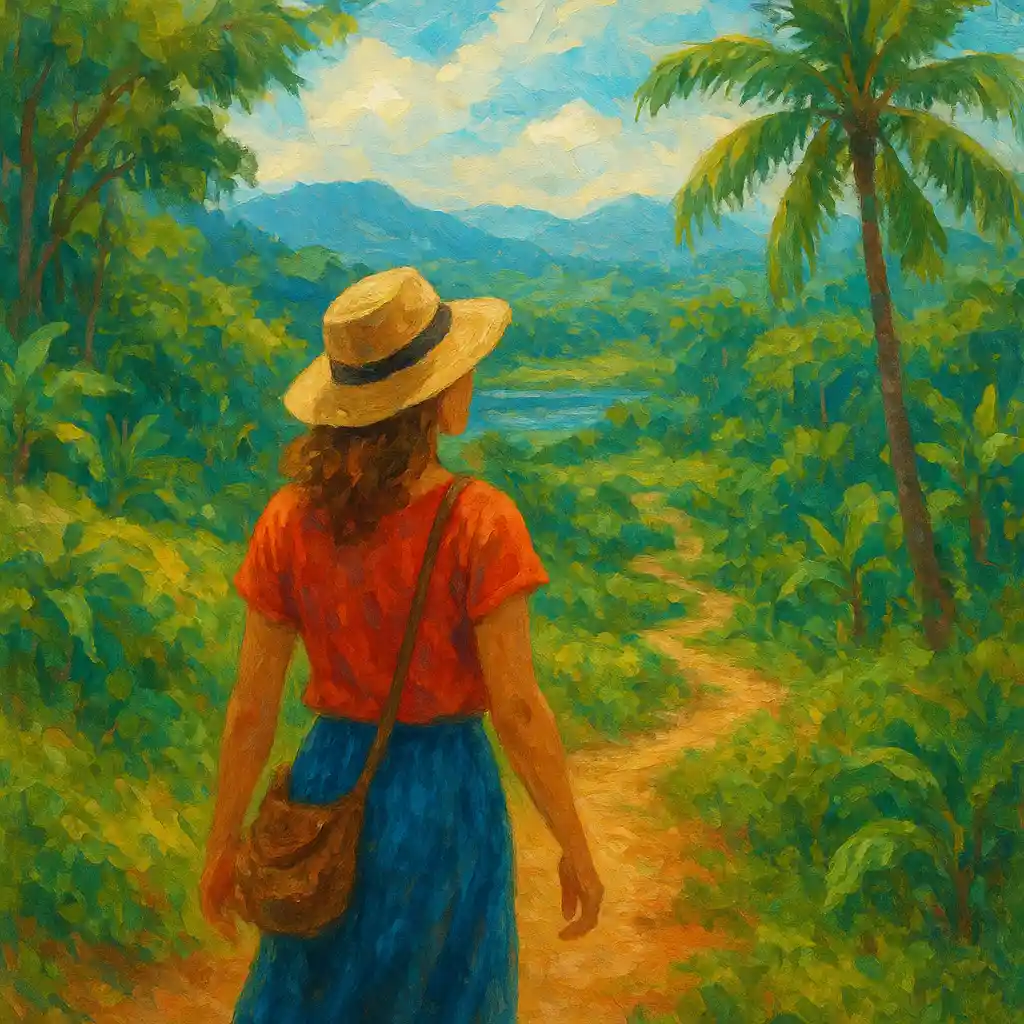
Cultural immersion in Costa Rica can turn a simple vacation into a meaningful, life-giving journey—especially for women travelers who want more than photos and checklists. When you choose cultural immersion in Costa Rica, you step into everyday life: local conversations, home cooking, community traditions, and nature experiences that support sustainability. This guide is written for travel-loving women (especially ages 45–65) who want to connect deeply, travel responsibly, and come home with real memories, new perspectives, and a calmer, more grounded mind.
Cultural immersion in Costa Rica is not about doing more. It’s about being present, showing respect, and choosing experiences that connect you with people, place, and purpose.
What Cultural Immersion in Costa Rica Really Means (and Why It Matters)
Cultural immersion in Costa Rica goes beyond visiting famous spots. It means learning how people live, what they value, and how they relate to the land. It can be as simple as talking with a local artisan at a market, taking a cooking class with a Costa Rican family, or joining a community-led eco-tour. These moments create understanding and connection—and they often become the parts of a trip you remember most.
For many women travelers, cultural immersion in Costa Rica also supports personal growth. When you try something new—speaking a little Spanish, joining a dance workshop, or volunteering with a conservation project—you gently stretch your comfort zone. That can bring confidence, joy, and a deeper sense of meaning.
How cultural immersion supports sustainability
When you choose community-based tourism, eco-friendly lodging, and local businesses, your travel spending stays closer to the people who live there. Cultural immersion in Costa Rica can support local communities and help protect the natural beauty that makes the country so special.
A simple daily ritual that deepens immersion
Try starting each morning with a few slow breaths and one intention for the day. Then write it down. A travel journal is one of the easiest ways to make cultural immersion in Costa Rica feel more personal and memorable.
- Morning intention: “Today I will be curious and respectful.”
- Evening reflection: Write down three moments you’re grateful for.
- One learning: A new word, custom, or insight you noticed.
Why Cultural Immersion in Costa Rica Is a Great Fit for Women Travelers
Costa Rica is often chosen for its natural beauty, eco-friendly reputation, and welcoming vibe. Many women travelers also appreciate that it offers a mix of comfort and adventure. Cultural immersion in Costa Rica works well here because you can combine nature, community, and values-based travel choices in one trip.
A destination known for eco-friendly travel
Costa Rica is known for protecting nature, with over 25% of its land protected as national parks and reserves. That commitment makes it easier to choose experiences that align with sustainability and social responsibility.
Cultural diversity and everyday warmth
From local markets and family-owned restaurants to festivals and traditional music, Costa Rica offers many ways to connect. Cultural immersion in Costa Rica is often supported by the friendly, open way many locals welcome visitors—especially when you show respect and genuine interest.
Values-based travel that feels good
If you care about sustainability, community empowerment, and mindful travel, this is a place where small choices can match your values. Cultural immersion in Costa Rica can include supporting local artisans, choosing eco-friendly accommodations, and joining experiences led by local communities.
Understanding Costa Rican Culture: Pura Vida, Customs, and Respectful Etiquette
Cultural immersion in Costa Rica becomes much easier when you understand a few basics about local norms. You don’t need to be perfect. What matters most is respect, kindness, and a willingness to learn.
Pura Vida: more than a phrase
You will hear “Pura Vida” often. It can mean “hello,” “goodbye,” “it’s all good,” or simply a positive outlook. For cultural immersion in Costa Rica, it helps to treat “Pura Vida” as a mindset: slow down a little, be friendly, and appreciate what’s in front of you.
A quick cultural overview: history and traditions
Costa Rica’s culture includes indigenous roots, Spanish colonial influence, and strong connections to land and community. Traditions often show up through food, music, crafts, and local celebrations. Cultural immersion in Costa Rica can include learning the story behind a dish, understanding how coffee fits into daily life, or listening to local perspectives on conservation.
Respectful etiquette that helps you connect
Small gestures can open doors. Before you go, take time to research common greetings and social norms. When you arrive, observe how locals interact and follow their lead.
- Greetings: A warm hello and a smile go a long way.
- Dress: Comfortable and breathable clothing is common; dress more modestly for religious sites or community visits.
- Curiosity with care: Ask questions respectfully and listen more than you speak.
- Photography: Ask before photographing people, especially in community settings.
Respect is the foundation of cultural immersion in Costa Rica. When you lead with respect, you’re more likely to be welcomed into real experiences.
Preparing for Cultural Immersion in Costa Rica: Research, Language, and Mindset
A little preparation can make cultural immersion in Costa Rica smoother, safer, and more enjoyable. Think of it as setting yourself up to feel confident and open once you arrive.
Learn a few Spanish basics (even just a little)
You don’t need to be fluent to experience cultural immersion in Costa Rica. But a few simple phrases can help you connect and show respect. Even basic effort is often appreciated.
- Hola (Hello)
- Gracias (Thank you)
- Por favor (Please)
- ¿Cuánto cuesta? (How much does it cost?)
- Disculpe (Excuse me)
Set intentions for the trip
Before your flight, try journaling about your intentions. Cultural immersion in Costa Rica feels more meaningful when you know what you want to practice—curiosity, patience, gratitude, or courage.
Try this journal prompt: “How do I want to feel on this trip, and what choices will support that?”
Pack with a sustainability mindset
Cultural immersion in Costa Rica often includes nature-based experiences, so packing thoughtfully helps you reduce waste and stay comfortable. A few reusable items can make a big difference.
- Reusable water bottle
- Reusable tote bag for markets
- Eco-friendly toiletries
- Biodegradable sunscreen
- Comfortable, breathable clothing
- Journal and pen for daily reflections
Choosing Accommodation for Cultural Immersion in Costa Rica (Eco-Lodges, Homestays, Community Tourism)
Where you stay shapes your entire experience. Cultural immersion in Costa Rica becomes much easier when your accommodation supports local communities and sustainability, and when it offers chances to meet people beyond the tourist bubble.
Eco-friendly lodges and sustainable resorts
Eco-lodges and sustainable resorts often have recycling programs, water conservation practices, and renewable energy efforts. They may also offer guided nature walks or cultural workshops that support cultural immersion in Costa Rica.
Homestays and community-based tourism
If you want deeper cultural immersion in Costa Rica, consider a homestay or a community-based tourism initiative. Sharing meals and stories with a local family can create a sense of belonging that’s hard to find in standard hotels.
One thing that helps: ask in advance what daily life looks like, what meals are included, and how you can participate respectfully (for example, helping prepare food or learning a local recipe).
How to choose lodging that supports communities
Look for places that are locally owned, hire local staff, and source food locally. If you want a practical filter, you can also ask about sustainability practices before booking.
- Do they source food locally?
- Do they have recycling or waste-reduction practices?
- Do they offer cultural experiences led by locals?
- Do they support community projects?
You may also see sustainability certifications mentioned, such as Rainforest Alliance or CST (Certification for Sustainable Tourism). These can be helpful signs when you’re comparing options.
Connecting with Locals: The Heart of Cultural Immersion in Costa Rica
If there is one “secret” to cultural immersion in Costa Rica, it’s this: real connection changes everything. When you engage with locals in a respectful way, you learn more—and you often feel more relaxed and confident as you travel.
Easy ways to connect (even if you’re shy)
You don’t need to be outgoing to experience cultural immersion in Costa Rica. Start small. Ask a simple question at a market. Compliment someone’s craftwork. Join a workshop where conversation happens naturally.
- Talk with local artisans at markets
- Join a community-led eco-tour
- Take a traditional cooking class
- Participate in a cultural workshop (dance, crafts, coffee)
- Try a language exchange
Volunteering and conservation projects
Some travelers choose volunteering to deepen cultural immersion in Costa Rica and support local goals. If you volunteer, choose experiences that are community-led and respectful. The best experiences focus on real needs and long-term impact, not just short-term feel-good moments.
Why genuine connection matters
When you form genuine connections, you often discover places and experiences you would never find in a guidebook. Cultural immersion in Costa Rica becomes more personal because you’re seeing the country through the eyes of people who live there.
Tourist attractions show you a place. Conversations help you understand it.
Cultural Immersion in Costa Rica Through Food: Markets, Cooking Classes, and Farm-to-Table Meals
Food is one of the most joyful paths to cultural immersion in Costa Rica. A meal can teach you about history, family traditions, local agriculture, and everyday life—all in one sitting.
Traditional dishes and ingredients to look for
As you explore, keep an eye out for classic foods that show up again and again. Trying them in different regions can be part of cultural immersion in Costa Rica, because each place may prepare them a little differently.
- Gallo Pinto: rice and beans, often served for breakfast
- Casado: a common lunch plate with rice, beans, plantains, salad, and a protein
- Lizano Sauce: a tangy condiment many locals love
- Plantains: served in many forms and meals
Local markets: culture, color, and conversation
Markets are perfect for cultural immersion in Costa Rica because they are social, practical, and full of local flavor. Bring small bills, go slowly, and let yourself ask questions about fruits, spices, and local dishes.
Cooking classes with local women and families
A cooking class can be one of the most memorable cultural immersion in Costa Rica experiences. You’re not only learning recipes—you’re hearing stories, sharing a kitchen, and practicing connection in a natural way.
Try this: keep a “food journal” page in your travel notebook. Write down the dish, where you ate it, and one feeling or memory connected to it. This is a simple way to keep cultural immersion in Costa Rica alive long after your trip ends.
Farm-to-table dining and coffee experiences
Farm-to-table meals and coffee-related experiences can deepen cultural immersion in Costa Rica by connecting you to the land. These experiences often highlight local ingredients and the work behind them, which can also strengthen your appreciation for sustainability.
Cultural Festivals and Events: A Joyful Way to Experience Cultural Immersion in Costa Rica
Festivals can be a powerful doorway into cultural immersion in Costa Rica. Music, dance, food, and community pride come together in a way that feels alive and unforgettable.
Popular festivals and cultural events
Two well-known celebrations mentioned often by travelers include:
- Fiestas de Palmares: a two-week celebration with bullfights, rodeos, live music, and food
- Día de los Boyeros: a traditional oxcart parade that highlights an important part of Costa Rican history
How to participate respectfully
Cultural immersion in Costa Rica during festivals works best when you stay mindful. You’re a guest in someone else’s tradition, so it helps to approach with care and curiosity.
- Do a little research before you go so you understand what you’re seeing
- Dress appropriately for the setting
- Ask before taking close-up photos of people
- Support local vendors and artisans when you buy food or souvenirs
- Be present—watch, listen, and learn
Engaging in Sustainable Tourism: Cultural Immersion in Costa Rica with a Lighter Footprint
Cultural immersion in Costa Rica and sustainable tourism fit naturally together. When you travel responsibly, you protect what you came to experience: healthy ecosystems, strong communities, and living traditions.
Responsible tourism: why it matters
Many travelers have seen the negative effects of mass tourism, like waste problems and damaged natural areas. Cultural immersion in Costa Rica can be a chance to travel differently—by choosing experiences that respect local limits and support conservation.
Practical ways to reduce waste
Small actions add up. These are simple habits that support cultural immersion in Costa Rica while also reducing your impact.
- Carry a reusable water bottle
- Say no to single-use plastics when possible
- Bring a reusable tote bag for shopping
- Choose eco-friendly toiletries
- Pack mindfully and avoid overbuying
Support local artisans and women-owned businesses
Buying handmade souvenirs from local artisans can be a meaningful part of cultural immersion in Costa Rica. It supports the local economy and helps keep traditional crafts alive. If you can, prioritize women-owned businesses and community-led initiatives.
Choose eco-friendly activities
Many of the most powerful cultural immersion in Costa Rica experiences are also low-impact: hiking, birdwatching, guided nature walks, and community-led conservation activities.
Immersing Yourself in Nature: Cultural Immersion in Costa Rica Through Biodiversity and Eco-Tourism
Costa Rica’s nature is not just scenery—it’s part of daily life and national identity. Cultural immersion in Costa Rica often includes learning how communities relate to the rainforest, the ocean, and wildlife conservation.
Biodiversity and eco-tourism opportunities
From rainforests and beaches to wildlife-rich reserves, nature experiences can be deeply grounding. For many women travelers, cultural immersion in Costa Rica includes moments like listening to the rainforest sounds, learning from local guides, and understanding why conservation matters.
Sustainable ways to explore parks and reserves
To keep your nature experiences aligned with sustainability, choose responsible operators and follow local guidelines. Cultural immersion in Costa Rica is stronger when you treat nature with respect.
- Choose eco-friendly accommodations and tour operators committed to conservation
- Stay on marked trails and follow park rules
- Do not feed wildlife
- Bring reusables to reduce trash during day trips
- Consider activities like beach clean-ups or conservation projects
Mindfulness in nature: a simple practice
Try this during a walk: pause for one minute, take three deep breaths, and notice three sounds. This small ritual can make cultural immersion in Costa Rica feel calmer and more personal, especially when your schedule is full.
Navigating Safety Concerns: Cultural Immersion in Costa Rica with Confidence
Feeling safe helps you relax—and relaxation helps cultural immersion in Costa Rica happen naturally. While no destination is risk-free, you can travel with confidence by planning ahead and making practical choices.
Common safety tips for women travelers
Trust your instincts. If something feels off, step away and reassess. Cultural immersion in Costa Rica should feel enriching, not pressured.
- Avoid displaying expensive jewelry or valuables
- Stay aware of your surroundings, especially at night
- Use reputable transportation services
- Share your itinerary with someone you trust and check in regularly
- Keep emergency contacts and key information accessible
Solo exploration and unfamiliar areas
Many women enjoy solo time during a trip, even if they are not traveling fully alone. For cultural immersion in Costa Rica, solo exploration can be wonderful—just keep it smart.
- Stick to well-lit, populated areas when alone
- Blend in with simple, modest clothing
- Carry only what you need for the day
- Consider a basic safety plan (contacts, medical info, trusted resources)
Embracing Personal Growth: What Cultural Immersion in Costa Rica Can Teach You
Cultural immersion in Costa Rica can be transformative because it invites you to slow down, listen, and see life through a different lens. Many women travelers find that this kind of travel supports confidence, self-trust, and a renewed sense of purpose.
The transformative power of immersive experiences
Immersive travel experiences—like homestays, cultural workshops, cooking classes, or conservation activities—often create lasting memories because they involve real participation. Cultural immersion in Costa Rica becomes a lived experience, not just a destination.
Self-reflection and open-mindedness
Try choosing one small “new” thing each day:
- Try a dish you’ve never tasted
- Learn one Spanish phrase and use it
- Ask a local about their favorite tradition
- Visit a market instead of a souvenir shop
Then write a short reflection in your journal: “What did I learn about myself today?” This is one of the simplest ways to turn cultural immersion in Costa Rica into personal growth.
Real-Life Moments: What Women Often Remember Most About Cultural Immersion in Costa Rica
Many women describe cultural immersion in Costa Rica as a series of small, powerful moments: cooking with locals, hearing personal stories, learning a new tradition, or volunteering in a way that feels respectful and real. These experiences often create a deeper connection than any single tourist attraction.
Some travelers find meaning in learning family recipes during a cooking class. Others feel changed after volunteering with conservation efforts or spending time in community-based tourism programs. Cultural immersion in Costa Rica can also be as simple as sitting quietly in nature, practicing mindful breathing, and realizing you feel more present than you have in a long time.
The biggest souvenir from cultural immersion in Costa Rica is often a shift in perspective.
Conclusion: Your Cultural Immersion in Costa Rica Starts with One Intentional Choice
Cultural immersion in Costa Rica offers a rare mix of community, nature, and values-based travel. When you choose homestays or eco-friendly lodging, support local artisans, reduce waste, join cultural workshops, and stay open to conversation, you create a trip that feels both joyful and meaningful.
If you’re planning your next adventure, start small: choose one immersive activity—like a cooking class, a local market visit, or a community-led eco-tour—and build your itinerary around connection. For more ideas, explore our other travel guides on the site and create a trip plan that supports both your well-being and the places you visit.