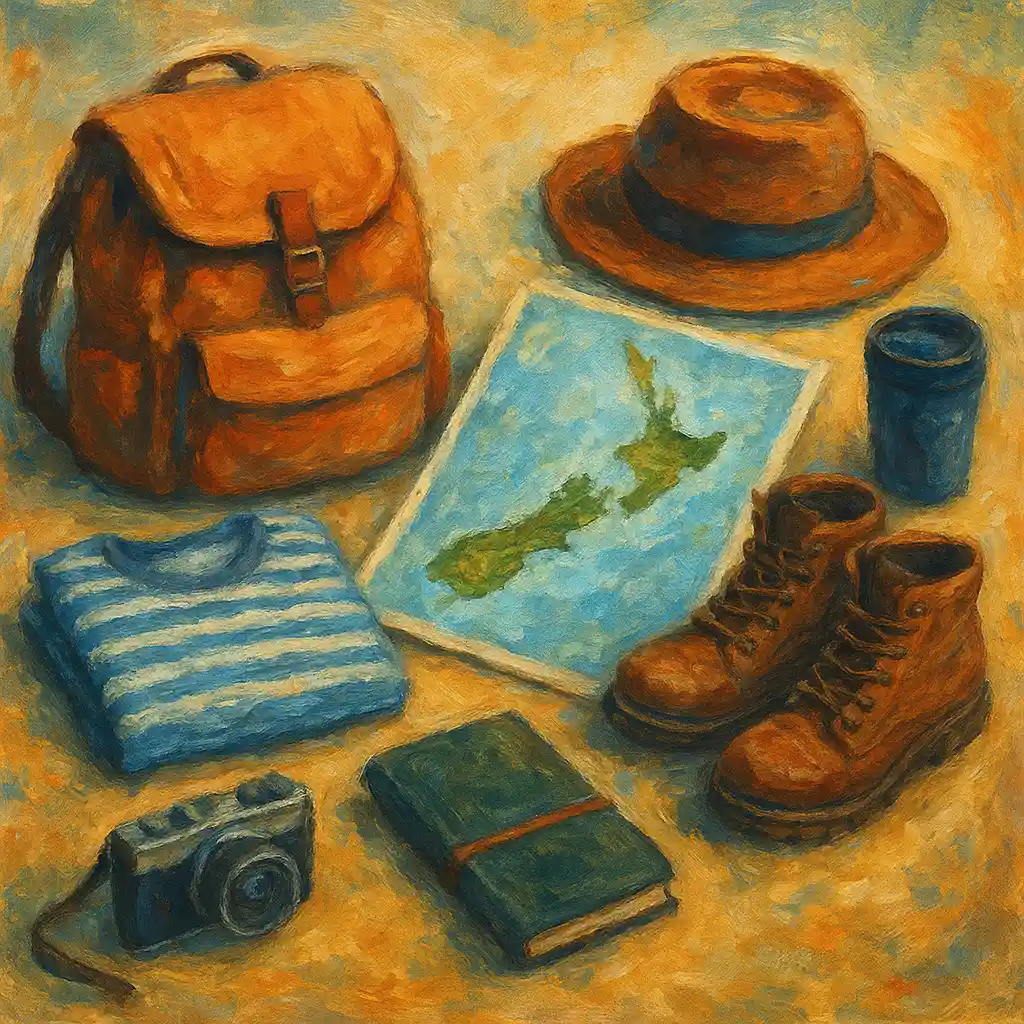
New Zealand is the kind of place that stays in your memory for years. The air feels fresh. The coastlines look wild and powerful. The forests feel ancient. Many women describe a trip there as a turning point, especially in midlife, when travel often becomes less about rushing and more about meaning.
This is where Mindful Packing for Your New Zealand travel style makes a real difference. Mindful packing is not only about having fewer items. It is about choosing the right items, using them well, and traveling in a way that matches your values. With a lighter bag and a calmer plan, you move more easily, waste less, and focus more on the experience.
1) The eco-conscious travel mindset that makes packing easy
Mindful packing starts before you touch your suitcase. It starts with a simple shift in thinking.
Choose intention over “just in case”
Overpacking often comes from stress. It is easy to add extra shoes, extra tops, and extra “maybe” items. In New Zealand, this can make travel harder because many trips include moving between towns, lodges, hikes, and airports.
A mindful approach focuses on:
- What you will truly use
- What can do more than one job
- What helps you create less waste
- What supports local people and nature
This mindset brings personal benefits too. A lighter bag often means a lighter mood. Many travelers feel more confident when they can find what they need quickly and carry their own bag without pain.
Plan for activities, not for outfits
Instead of packing for each day, pack for your activity types. For many New Zealand trips, these often include:
- City walking and cafés
- Scenic drives and short stops
- Easy to moderate hikes
- Boat trips and windy viewpoints
- Rainy-day museum time
- Nice dinners in town
When you pack for activities, you naturally pack fewer items, and each item earns its place.
2) New Zealand weather basics for smart, simple packing
New Zealand weather changes fast, especially in coastal areas and near mountains. Even in summer, mornings can feel cool and evenings can be windy. In spring and autumn, you can see all seasons in one day.
A mindful plan uses layers instead of heavy single pieces.
A simple layering system:
- Base layer: breathable top, short or long sleeve
- Mid layer: warm layer like fleece or light wool
- Outer layer: windproof and waterproof jacket
- Bottoms: one main pair plus one extra option
- Footwear: one strong walking shoe plus one lighter shoe
This system supports comfort and reduces the number of items you need.
3) Sustainable stays in New Zealand, how to choose them with confidence
Mindful travel includes where you sleep. Sustainable accommodation reduces your impact and often feels more peaceful.
Types of eco-friendly stays to look for
- Eco-lodges with strong nature care, often near forests or coastlines
- Sustainable hotels with energy and water saving systems
- Farm stays that connect you to local food and rural life
- Eco-aware holiday homes with clear recycling and low-waste rules
What to look for when booking
Look for real actions, not only green words.
Helpful signs include:
- Recycling and composting systems
- Water-saving showers and taps
- Renewable energy use or efficient heating
- Refillable toiletry dispensers instead of tiny plastic bottles
- Local staff and local suppliers
- Clear guidance for guests on waste and nature protection
Simple booking habits that support sustainability
- Stay longer in fewer places when possible
- Choose locations close to what you want to do
- Avoid places that offer wildlife handling or unethical animal experiences
- Support owners who share local knowledge and conservation tips
4) Packing light as a climate-friendly choice
Packing light is not only practical. It is also a quiet way to cut emissions. More luggage adds weight, and more weight uses more fuel in transport. It also increases wear on your body, especially knees, shoulders, and back.
A mindful target that still feels comfortable
For many women, a good goal is:
- One carry-on suitcase or small checked bag
- One daypack
- One small personal item bag
This depends on your trip length and comfort needs. The key is avoiding duplicates and choosing versatile items.
Techniques that make packing light easier
- Use a capsule wardrobe with a simple color plan
- Wear your bulkiest items during travel, like a jacket or boots
- Choose quick-dry fabrics so you can wash and re-wear
- Use packing cubes to keep categories clear
- Limit “special occasion” clothing to one outfit
5) Sustainable fashion for New Zealand, simple capsule wardrobe plan
A capsule wardrobe means a small set of clothing that works together. It saves space and helps you feel put together with less effort.
A practical capsule wardrobe for many New Zealand trips
Choose a base color set like black, navy, grey, or earthy tones, then add one accent color.
Tops
- 2 to 3 everyday tops
- 1 nicer top for dinner
- 1 base layer top if visiting cooler regions
Layers
- 1 warm mid-layer, fleece or merino
- 1 packable down or warm jacket if traveling in cooler seasons
- 1 waterproof jacket with a hood
Bottoms
- 1 comfortable walking pant or hiking legging
- 1 casual trouser or jean
- 1 optional skirt or dress if you enjoy it
Active and sleep
- 1 to 2 sets of sleepwear that can also work as loungewear
- 1 active top if you plan longer hikes
Undergarments and socks
- Enough for a week if you plan laundry
- Prioritize quality socks for comfort on trails
Choose ethically made pieces when possible
Look for:
- Organic cotton
- Responsible wool, including merino
- Recycled fabrics
- Brands that explain their factories and labor standards
Buying fewer, better items often reduces waste and saves money over time.
6) Eco-friendly travel gear that earns its place
Sustainable gear helps you reduce single-use waste and stay comfortable.
Core eco-essentials
- Reusable water bottle
- Reusable coffee cup if you buy drinks often
- Light cutlery set or spork
- Reusable food container for snacks or leftovers
- Reusable shopping bag or foldable tote
- Small cloth bag for fruit, bakery items, or bulk snacks
Tech with lower waste
- Solar-powered charger or power bank you already own
- Rechargeable batteries for headlamps or cameras if needed
Useful extras that stay lightweight
- Compact umbrella if you dislike rain on your face
- Microfiber towel if staying in hostels or doing water activities
- Dry bag for boat trips or rainy hikes
Where to buy eco-conscious gear
- Local outdoor stores in your country with clear sustainability lines
- Second-hand shops for daypacks, jackets, and travel cubes
- Brands known for repair programs and long product life
- Renting gear in New Zealand for short needs, such as trekking poles
Renting can be a strong choice if you only need something once.
7) Toiletries and personal care with less plastic and less waste
Toiletries are an easy area for mindful packing improvements, and they often reduce suitcase mess.
Low-waste toiletry swaps
- Shampoo bar and conditioner bar in a small tin
- Solid soap instead of body wash
- Refillable travel bottles for liquids you truly need
- Bamboo toothbrush or a durable toothbrush with replaceable head
- Safety razor or refillable razor system
- Reusable makeup rounds if you wear makeup
Biodegradable products
Biodegradable can be helpful, but it is not magic. Use it as one part of a bigger plan:
- Use small amounts
- Keep products away from rivers and lakes
- Follow local guidance in sensitive areas
Reef-safe, eco-friendlier sunscreen
Choose sunscreen that is designed to reduce harm to marine life, and always follow local advice. Covering skin with clothing, hats, and shade can also reduce sunscreen needs.
Menstrual care and comfort items
Many women prefer:
- Menstrual cup
- Period underwear
- Reusable pads
These reduce waste and also reduce emergency shopping during travel.
8) A comprehensive mindful packing list for New Zealand
This list supports Mindful Packing for Your New Zealand trip and keeps choices practical. Adjust for season, trip length, and comfort needs.
Clothing
- Waterproof jacket with hood
- Warm mid-layer, fleece or merino
- 3 everyday tops
- 1 nicer top
- 2 bottoms for walking and casual wear
- Sleepwear or loungewear
- 7 underwear
- 3 to 5 pairs of socks, include hiking socks
- Hat for sun
- Warm beanie in cooler seasons
- Scarf or buff for wind
- Sunglasses
Footwear
- Comfortable walking shoes or hiking shoes
- Light casual shoe or sandal
- Optional: water shoe if doing boat or beach activities
Accessories and gear
- Daypack
- Reusable water bottle
- Reusable coffee cup
- Reusable shopping bag
- Cutlery set
- Food container
- Packing cubes
- Laundry bag, cloth or washable
- Small first aid kit
- Travel umbrella or compact rain cover
- Dry bag for water activities
Toiletries
- Shampoo bar, conditioner bar, soap
- Toothbrush, small toothpaste
- Deodorant
- Moisturizer
- Sunscreen
- Insect repellent when needed
- Hairbrush or comb
- Minimal makeup if used
- Refillable bottles for essentials
- Small nail file and tweezers
Health and safety
- Personal medications with copies of prescriptions
- Plasters, blister care, pain relief
- Hand sanitizer, used thoughtfully
- Lightweight whistle or personal alarm if it helps you feel calm
- Copies of key documents
Documents and money
- Passport and travel insurance details
- Driver’s license if renting a car
- Credit card and backup card
- Emergency contact list on paper
9) Mindful consumption while traveling, zero-waste habits that feel realistic
Zero-waste travel is a helpful direction, even if you do not reach perfection. The goal is progress and respect.
Daily waste-reduction habits
- Refill your water bottle instead of buying plastic bottles
- Carry your reusable bag and refuse extra bags
- Choose unpackaged snacks when possible
- Eat in or bring your container for takeaway
- Say no to plastic cutlery and straws
- Use what you already packed before buying new items
Recycling rules can differ by region
New Zealand has strong environmental values, but recycling rules can vary. Follow the guidance at your accommodation and in local bins. When unsure, choose the option that avoids contamination, since mixed recycling can become landfill.
Support sustainable local businesses
Spend money in places that:
- Use local ingredients
- Pay fair wages
- Reduce packaging
- Offer refill stations or bulk options
- Support conservation and community projects
These choices strengthen local resilience and keep travel benefits in the community.
10) Transportation in New Zealand with a smaller carbon footprint
Transport is a major part of travel emissions. You can reduce impact with planning.
Lower-impact transport options
- Public transport in main cities like Auckland and Wellington
- Intercity buses for long routes
- Trains for scenic routes where available
- Biking and walking in towns and along coastal paths
Car rentals with greener choices
If you rent a car:
- Choose a smaller car when possible
- Ask about hybrid or electric options
- Combine activities by region to reduce driving
- Drive smoothly and keep tire pressure correct
A mindful route with fewer long drives often feels better and reduces fatigue.
11) Cultural respect, local communities, and Indigenous Māori culture
A meaningful trip includes respect for people, stories, and land. In New Zealand, Māori culture is central to the country’s identity. Responsible tourism protects cultural dignity and supports local knowledge.
Practical respectful actions
- Learn basic place name pronunciation as best you can
- Follow rules at sacred sites and on guided cultural visits
- Stay on marked trails to protect land and plants
- Choose tours led by Māori guides when possible
- Listen more than you speak in cultural spaces
Support local artisans and locally owned businesses. This keeps economic value within communities and helps protect traditions.
12) Safety tips for women traveling alone in New Zealand
New Zealand is often considered safe, but mindful travel includes common-sense planning. These tips support confidence, especially for solo travelers.
Accommodation safety habits
- Choose places with many recent reviews
- Prefer well-lit entrances and clear check-in systems
- Keep your door locked and use extra locks if provided
- Store valuables out of sight
Out and about safety habits
- Share your general itinerary with a trusted contact
- Keep your phone charged and carry a power bank
- Avoid poorly lit isolated areas at night
- Limit alcohol if you are alone and far from your stay
- Trust your instincts and leave places that feel uncomfortable
Outdoor safety in New Zealand
Nature is beautiful and can be serious.
- Check weather forecasts before hikes
- Tell someone where you are going
- Carry layers, water, and snacks even for shorter walks
- Follow local warnings around tides, cliffs, and river crossings
These habits protect you and also protect rescue services.
13) Eco-conscious souvenir shopping and ethical tourism
Souvenirs can be meaningful and also wasteful. Mindful choices keep the meaning and reduce harm.
Better souvenir choices
- Locally made crafts with clear maker details
- Practical items you will use at home
- Art prints from local artists
- Food items made locally, within travel rules
- Experiences, such as a workshop, guided walk, or class
Avoid harmful purchases
Avoid:
- Wildlife products
- Items made from threatened plants or shells
- Cheap mass-made trinkets that break quickly
- Items that copy Māori designs without permission
Look for authentic sources and fair trade principles when possible.
14) A simple pre-trip mindful packing routine
A short routine can reduce stress and stop overpacking. This supports Mindful Packing for Your New Zealand planning and makes your suitcase feel calm and clear.
Step 1: Pause and breathe
Stand still for one minute. Breathe in slowly through the nose and out through the mouth. Relax your shoulders. This small pause helps you pack with intention instead of fear.
Step 2: Write your travel plan in three lines
- Main activities
- Main climates and regions
- Laundry plan, such as once per week
This stops you from packing for every possible situation.
Step 3: Pack in categories
Pack each category and stop when the category is complete:
- Clothing capsule
- Toiletries
- Gear
- Documents
- Safety and health
Step 4: Remove five items
After packing, remove at least five items you added without strong reason. This is a powerful final step. It makes space for local purchases and lowers luggage weight.
Step 5: Add one meaningful item
Add one item that supports your inner travel experience:
- A small journal
- A book of poems
- A lightweight sketch pad
- A simple scarf that makes you feel confident
This keeps the trip connected to personal growth, not only logistics.
15) Gentle journaling prompts for a deeper, more respectful trip
A journal can help you process travel moments and hold them longer.
Prompts that work well:
- Intentions for traveling with care
- Moments of beauty noticed each day
- One small sustainable choice made today
- A lesson learned from local culture and nature
- A moment of courage during solo travel
Keep it simple. A few lines are enough.
Conclusion: Travel lighter, live deeper
New Zealand offers more than views. It offers space to breathe, walk, and reconnect. With Mindful Packing for Your New Zealand travel planning, your suitcase becomes part of that calm. You carry fewer items, create less waste, and make choices that respect the land and the people who live there.
Mindful packing is also a form of self-respect. It protects your body from heavy loads. It supports your confidence as you move between places. It gives you time and energy for what matters most, which is the real experience of being there.
Pack with intention. Choose versatile essentials. Bring reusables. Support local communities. Walk gently on the land. The result is a trip that feels lighter in your hands and richer in your heart.